TEHRAN, July 18, (v7n) – Iran struck infrastructure targets in the Gulf on Saturday and threatened a "full-scale offensive" in retaliation for the seventh consecutive night of US strikes on the Islamic republic, escalating tensions just a month after the two sides had agreed to a preliminary deal aimed at ending their war.
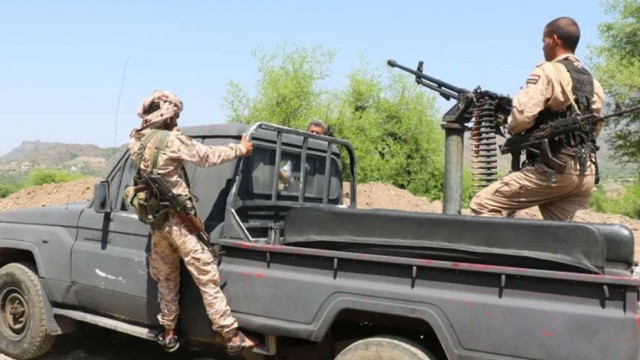
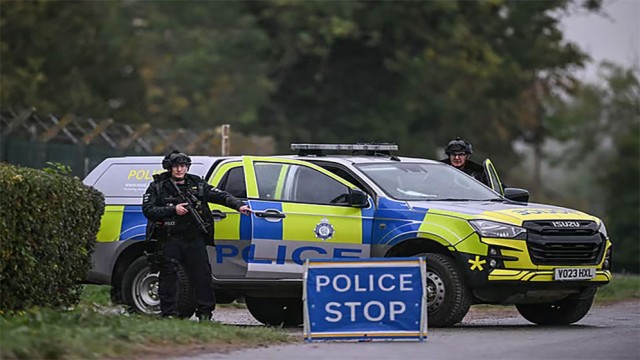
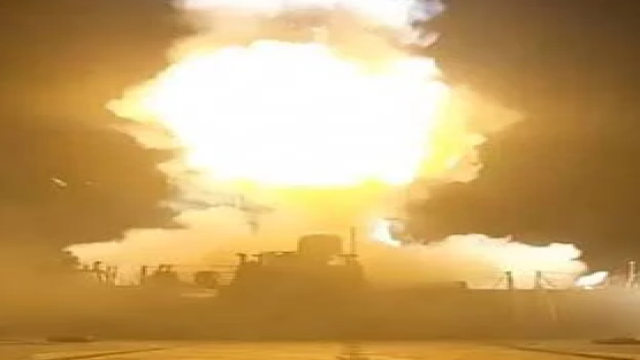
Iran retaliated with strikes on an oil facility in Kuwait as well as a power and water plant, authorities in the Gulf state said, while Bahrain's army reported repelling a wave of Iranian attacks. Jordan's army said it shot down 10 missiles without casualties or damage.
Major General Mohsen Rezaei, a senior military adviser to Iran's supreme leader, warned via state media: "Iran will no longer limit itself to retaliatory, like-for-like responses... and no political border will be safe." He said Tehran would resume "full-scale offensive operations" if US strikes continue for another two or three days.
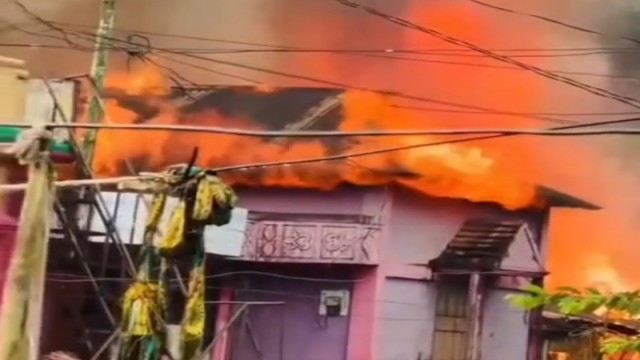
Kuwait accused Iran of targeting civilian sites and vital infrastructure after the strike on a power plant forced several generation units to be deactivated—the second such attack in as many days. Kuwait's state oil firm reported injuries and damage at an oil facility, with firefighters injured battling blazes.
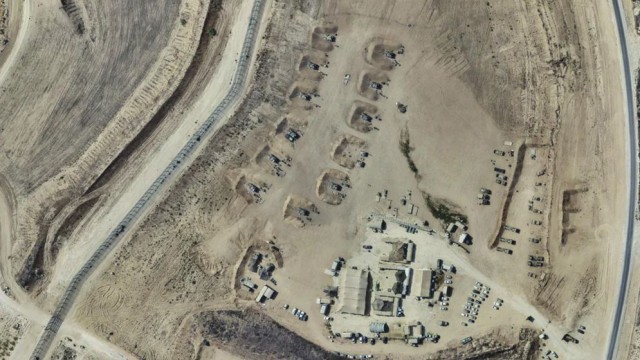
In Bahrain, Iran's army said it targeted an air base used by the US military, including aircraft shelters, fuel storage tanks, and connecting bridges. Jordan's Al-Azraq base was also targeted, according to Iranian state media.
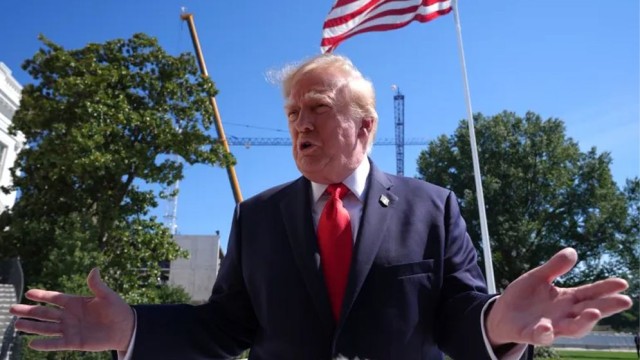
Hope for a political settlement has faded, though mediators continue efforts to bring both sides back to the table. President Donald Trump this week threatened to hit Iranian infrastructure, though Washington has not confirmed new strikes. Iranian state media reported that US attacks killed three and wounded eight in Hormozgan province, knocked out 116 telecommunications towers, and cut water supply to several southern villages after strikes on power facilities and desalination pumps.
In Khuzestan province, authorities said the US had attacked 95 locations across 12 cities over the past 10 days, killing eight people. Iran's energy ministry urged citizens to reduce electricity use as the grid came under strain, while the health ministry reported 50 killed and over 500 injured since renewed fighting began a week ago.
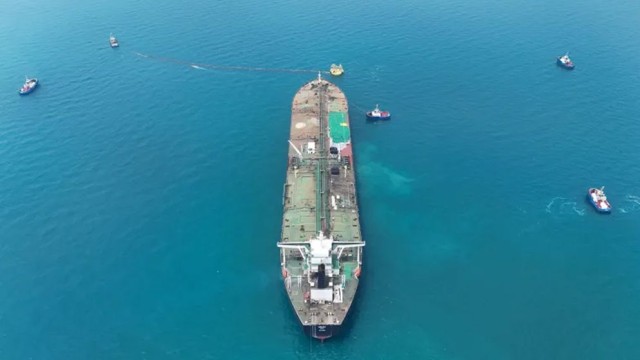
The latest violence was sparked by Iranian attacks on ships in the Strait of Hormuz, a vital Gulf energy route that Iran seeks to control. Iran's Revolutionary Guards claimed two oil tankers exploded after hitting mines, though the US military denied the claim. The Guards also said they had "stopped" four ships attempting to transit. The US has reimposed a blockade of Iran's ports to cut off oil revenues.
David Khalfa, a Middle East specialist at the Jean-Jaurès Foundation, said: "The paradox is that, while the conflict continues to escalate, neither side has a strategic interest in allowing this dynamic to continue. Yet both perceive any compromise as a form of capitulation."
end/wd/rh/