TEHRAN, July 17, (V7N) — The commander of the Aerospace Force in Iran's Revolutionary Guards vowed Friday that Tehran would not halt its attacks in the region until the US stopped striking Iran's southern coastline and the Strait of Hormuz.
In a social media post, Majid Mousavi said "Tehran and the south are one and indivisible as Iran", adding that "effective and targeted strikes from across Iran against the enemy will continue" until attacks on "the southern coastline and the Strait of Hormuz" cease.
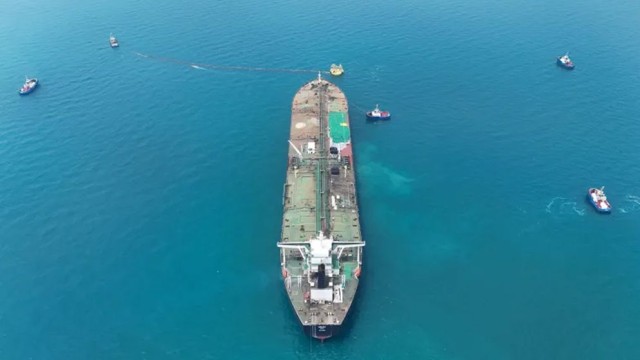
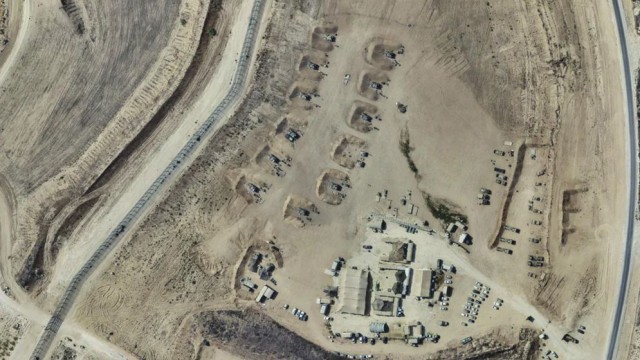
Mousavi's remarks came amid a sharp escalation of tensions in the Persian Gulf, where US forces have intensified airstrikes on what Washington describes as military installations and drone launch sites along Iran's southern seaboard. The Strait of Hormuz, through which nearly a fifth of the world's oil supply passes, has become the focal point of the confrontation in recent weeks.
Iranian state media reported earlier this week that several coastal areas in Hormozgan and Bushehr provinces were hit, causing damage to infrastructure and civilian casualties. The US Central Command has not publicly confirmed the full scope of the operations but said its actions were defensive and aimed at protecting freedom of navigation and its regional allies.
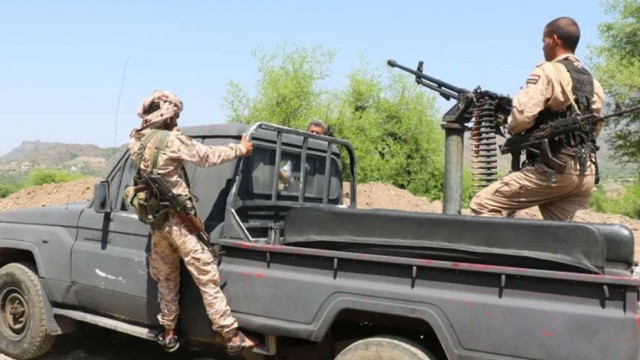
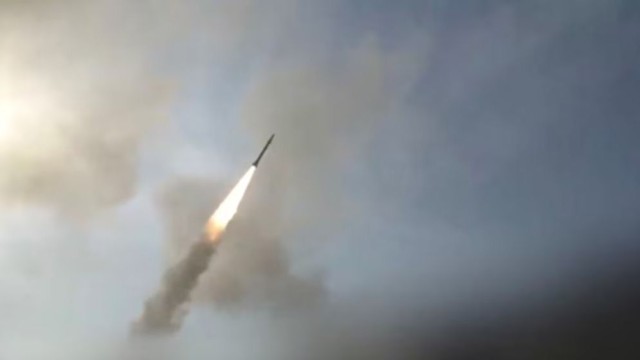
The Revolutionary Guards Aerospace Force, which oversees Iran's ballistic missile and drone programmes, has claimed responsibility for a series of retaliatory attacks on US bases and allied assets in Iraq, Syria and the Gulf in recent days.
Mousavi warned that Iran's response would be sustained and coordinated from multiple locations inside the country, not just from the south. He said any attempt to separate the security of the capital from that of the coastal region was a miscalculation by the adversary.
"The enemy must understand that pressure on the Strait of Hormuz is pressure on all of Iran, and our response will be proportionate and continuous," he said.
The latest exchange has raised fears of a broader regional conflict, with shipping companies already rerouting vessels and oil prices climbing sharply.
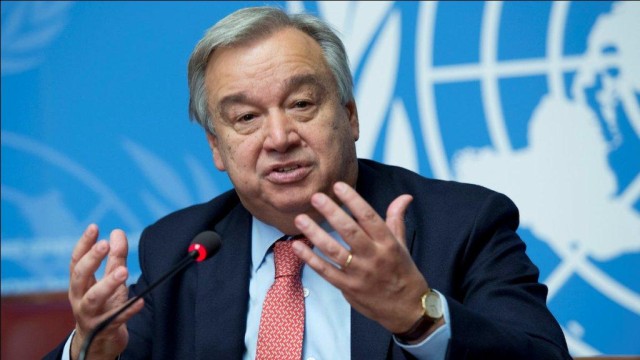
Diplomatic efforts to de-escalate the crisis have so far failed, with both sides demanding the other cease military actions first. The United Nations has called for restraint and urged all parties to avoid actions that could endanger international shipping lanes.
END/WD/RH