Jul 13 (V7N) — Global oil prices surged on Monday after renewed military tensions between the United States and Iran over the strategic Strait of Hormuz heightened fears of disruptions to global energy supplies.
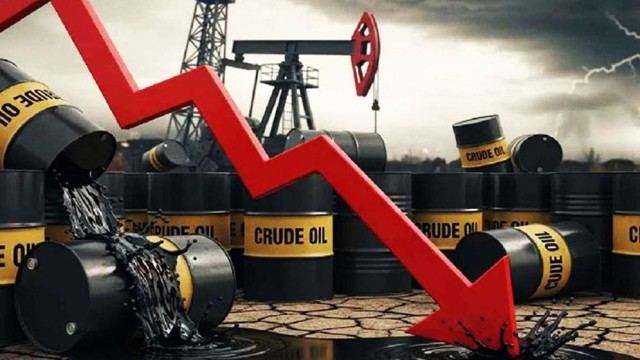
Brent crude, the international benchmark, climbed more than 4 percent, with the September futures contract reaching US$79.26 per barrel as of 5:00 a.m. GMT—its highest level since June 22.
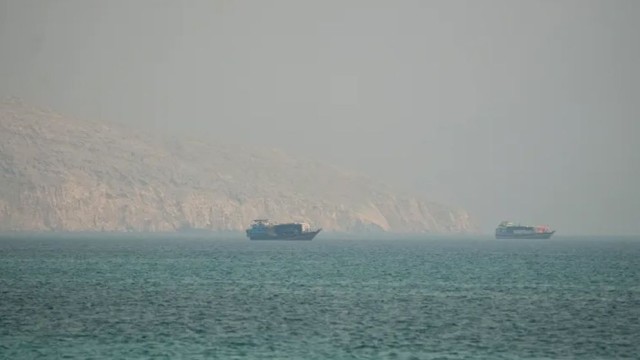
The Strait of Hormuz, linking the Persian Gulf with the Gulf of Oman, is one of the world's most important energy corridors, carrying around 20 percent of global oil trade during normal times.
The latest price rally followed renewed military exchanges between Washington and Tehran.
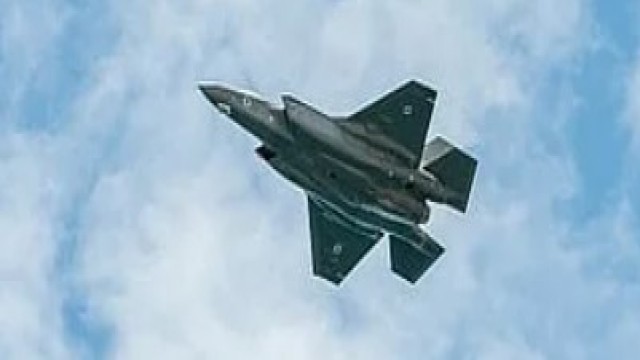
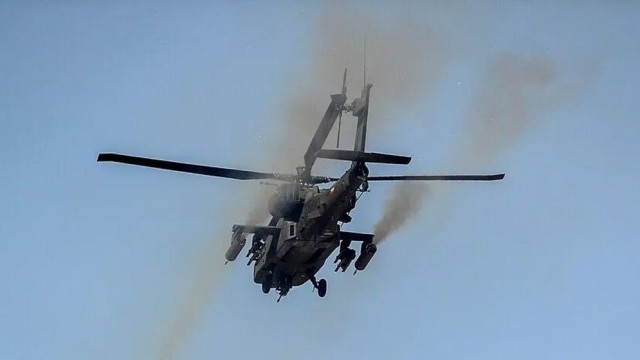
The U.S. Central Command (CENTCOM) said on Sunday it had carried out dozens of strikes against Iranian targets aimed at reducing Tehran's ability to attack commercial vessels transiting the Strait of Hormuz.
According to Washington, the operation was launched after Iranian forces allegedly attacked the Cyprus-flagged container ship MV GFS Galaxy while it was passing through the strategic waterway.
"The Strait of Hormuz is a vital waterway for global commerce and is not under Iranian control," CENTCOM said in a statement, adding that U.S. forces remain committed to ensuring freedom of navigation despite what it described as Iranian aggression and intimidation.
Iran responded with missile and drone attacks, with reports indicating that Iranian forces targeted facilities in the United Arab Emirates, Qatar, Kuwait, Oman and Bahrain.
Meanwhile, Iran's Persian Gulf Strait Authority issued a stronger warning on maritime traffic, stating that vessels using unauthorized routes through the Strait of Hormuz would not be guaranteed safe passage.
"The responsibility for any consequences resulting from unauthorized transit will rest with the ship owner, operating company and vessel captain," the authority said.
Shipping activity through the strait has declined sharply since the renewed conflict began.
According to maritime intelligence firm Windward, only six vessels transited the Strait of Hormuz between 6:00 p.m. GMT Thursday and 6:00 a.m. Friday, compared with the usual 18 to 22 ships per day earlier this month. Between Saturday evening and Sunday morning, only nine ships were recorded passing through the strait, including four Iranian-flagged vessels.
Analysts Expect Prices to Stay Elevated
Oil prices are now approximately 9 percent higher than before the initial U.S. and Israeli military operations against Iran.
Mukesh Sahdev, founder and chief oil analyst at Sydney-based Xanalysts, said Brent crude could remain in the low US$70 per barrel range during August and September if geopolitical uncertainty continues.
"Prices may fluctuate depending on developments, but refiners generally make purchasing decisions weeks in advance because of long-term supply planning," he said, adding that the latest tensions could accelerate efforts to reduce global dependence on Middle Eastern oil.
Fabien Eppie, an analyst at IG Markets Australia, believes the scope for further price increases may remain limited.
"Oil prices had returned to pre-war levels in June on expectations that U.S.-Iran negotiations would succeed. Recent events have demonstrated how fragile that agreement was," he said.
He noted that while geopolitical risks are likely to keep prices under pressure in the short term, slower global demand growth, increased oil inventories and higher OPEC+ production are expected to prevent a sustained surge similar to previous energy crises.
Asian Markets Under Pressure
The renewed Middle East conflict also weighed on Asian financial markets on Monday.
Japan's Nikkei 225 declined by more than 2 percent in afternoon trading, while South Korea's KOSPI recorded sharp losses. Hong Kong's Hang Seng Index also traded lower.
Market analysts warn that if tensions surrounding the Strait of Hormuz persist, the impact could extend beyond energy markets to global trade, shipping and broader financial markets.
END/SMA/AJ