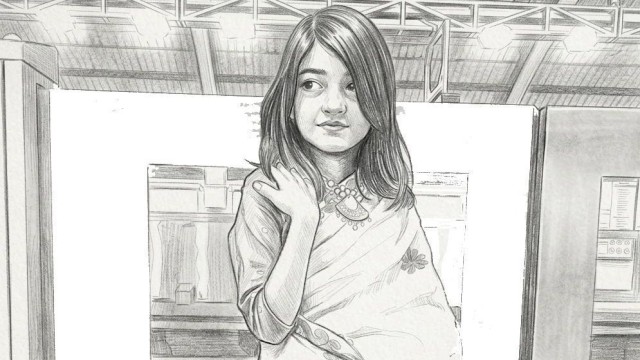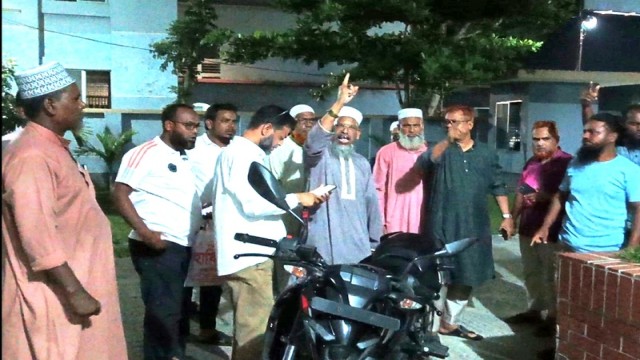
RAJSHAH, MAY 23 (V7N) - A profound sense of insecurity and panic has gripped families across the country following a sharp, alarming rise in cases of gender-based violence, sexual assault, and brutal rape-after-murder incidents targeting women and children. The situation has triggered widespread public outrage, amplified significantly by the recent brutal rape and murder of a young girl named Ramisa in Dhaka's Pallabi area, sparking massive street protests, human chains, and a storm of demands for justice on social media.
Data analyzed from various human rights monitoring bodies, media outlets, and the Police Headquarters indicates that sexual offenses have escalated at an unprecedented rate over the past few years. According to the human rights organization Human Rights Support Society (HRSS), a staggering 580 children were subjected to rape over a recent 20-month window, highlighting an increasing trend of extreme violence against minors.
Statistical Overview of Increasing Violence
The escalating crisis is clearly reflected in official law enforcement records and independent human rights databases, which demonstrate a steady, multi-year upward trajectory in recorded offenses:
| Monitoring Agency / Source | Timeline | Recorded Data / Statistical Change |
| Police Headquarters Data | Past 12 Months | 25% increase in cases under the Women and Children Repression Prevention Act; 27% surge in specific rape cases. |
| Ain o Salish Kendra (ASK) | 2019 – 2021 | 1,413 cases in 2019; peaked at a record 1,625 cases in 2020; 1,321 cases recorded in 2021. |
| Annual Human Rights Reports | Full Year 2025 | 749 documented rapes, including 180 gang-rape incidents, with the vast majority of victims being children and adolescents. |
| Bangladesh Mahila Parishad | November 2025 | 181 women and children faced various forms of torture in a single month, including 45 recorded rape victims. |
A Decade of Crisis: Comprehensive legal registries reveal that the total number of officially recorded rape cases in Bangladesh over the past decade has now surpassed the 10,000 mark, accompanied by an alarming rise in post-assault murders and victim suicides.
Institutional Impunity and Social Factors Fueling Crime
Socio-legal experts, criminologists, and women's rights defenders point out that a deeply rooted culture of impunity is the primary driver behind this crisis. In the vast majority of cases, perpetrators manage to evade legal accountability due to prolonged judicial delays, a lack of speedy trial implementations, flawed investigations, and the corruptive interference of politically influential local figures. This systemic failure has effectively removed any fear of legal consequences, emboldening criminals.
Sociologists and educators from regional areas, including Bagha, characterize these continuous assaults as a heinous attack on humanity and civilization itself. They attribute the sharp moral decline to a combination of factors, including the unchecked spread of narcotics, easy access to online pornography, weakening parental supervision, and a broader erosion of traditional social values.
To reverse this dire trajectory, rights activists emphasize that merely possessing strict laws on paper is insufficient; the state must ensure swift, transparent implementation, wrap up trials within strict timeframes, and hand down exemplary punishments. Simultaneously, experts are calling for a collective social awakening, urging the integration of robust moral education, mutual respect, and gender sensitization across families, religious institutions, and school curriculums before the societal crisis deteriorates any further.
END/RAR/RH/