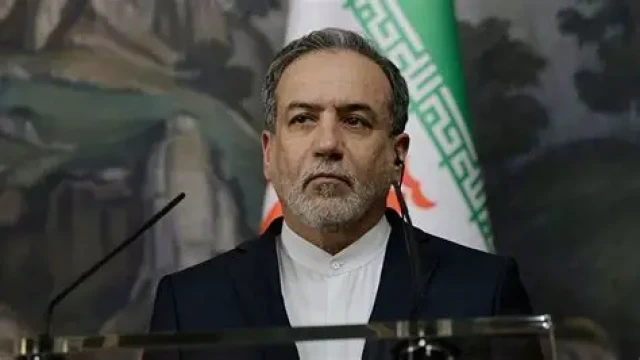
WASHINGTON/TEHRAN, June 12, (V7N)– A major diplomatic rift has opened between Washington and Tehran as both sides released conflicting narratives regarding a potential deal to end the war initiated by the United States and Israel on February 28. While U.S. President Donald Trump vehemently blasted leaked Iranian versions of the agreement, Iranian Foreign Minister Abbas Araghchi counter-insisted that a historic peace accord has "never been closer."
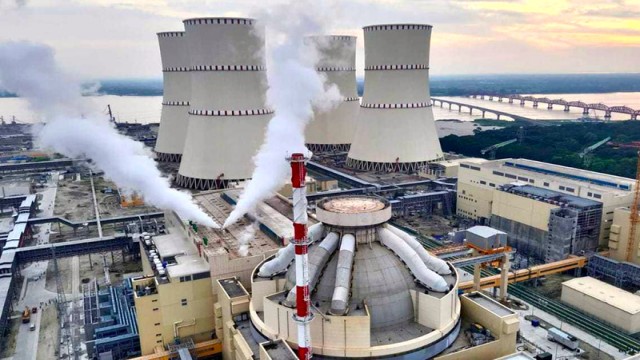
The public dispute ignited after Iran’s official IRNA news agency published purported details of an initial memorandum of understanding (MoU). According to the leak, a final 60-day negotiation window would heavily emphasize Iran’s absolute right to enrich uranium, retain its current stockpile of enriched material, and maintain sovereign control over maritime traffic through the vital Strait of Hormuz.
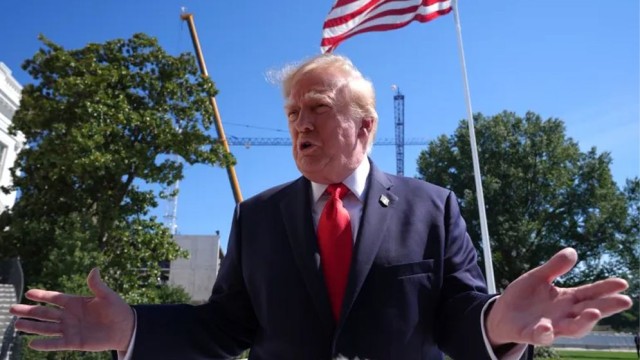
Trump quickly took to his Truth Social platform to aggressively reject those terms, calling them completely disconnected from reality. "The terms that Iran leaked out to the Fake News have NOTHING to do with the terms that were agreed to, in writing," Trump posted. He went on to describe Tehran’s public accounts as "weak and pathetic," adding that the leadership in Tehran had "better get their act together, and FAST!"
A senior Trump administration official, speaking on the condition of anonymity, supported the president’s stance, detailing a strict, performance-based agreement structured around five non-negotiable pillars. According to the White House, the actual deal mandates the complete destruction and removal of all Iranian nuclear material, the total dismantling of their nuclear program, the absolute reopening of the Strait of Hormuz, a cessation of funding to regional militant groups, and the continued freezing of Iranian funds until all conditions are verified.
In contrast to the hostile rhetoric coming out of Washington, Iranian Foreign Minister Abbas Araghchi adopted a noticeably more optimistic, yet cautionary tone on social media. Writing on X, Araghchi stated that the "Islamabad Memorandum of Understanding has never been closer" to finalization, urging both domestic and international media outlets to refrain from publishing speculative or unauthorized details of the text.
The fierce narrative battle highlights the domestic and global pressure on both administrations to claim a decisive victory following months of intense regional warfare. While Trump had declared a "total and complete victory" following a fragile April 7 ceasefire, sporadic military clashes have persisted, keeping an official, comprehensive peace agreement frustratingly out of reach.
Media watchdogs have also cast a skeptical eye on the sudden diplomatic breakthrough. CNN noted that Trump has publicly announced an "imminent" peace deal with Iran at least 39 times since late March, frequently recycling identical phrases to declare diplomatic triumphs that ultimately failed to materialize on the ground.
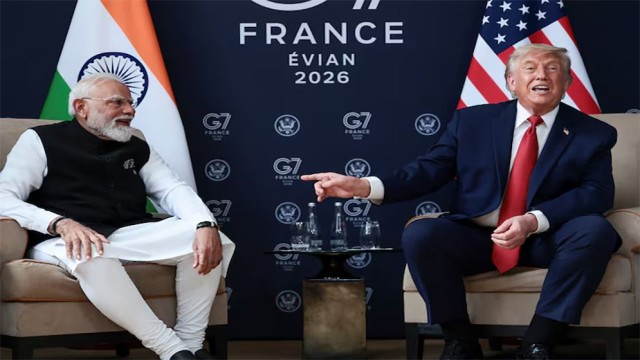
Despite the friction over the fine print, high-stakes diplomacy remains active behind the scenes. Trump previously stated that a formal settlement could be signed in Europe as early as this weekend, meaning the coming days will prove critical in determining whether the two warring nations can successfully bridge their stark differences or slide back into open conflict.
END/WD/RH/