Tehran, Jun 06 (V7N) – Iran is facing one of the most severe economic crises in its modern history, with the country's annual inflation rate reaching 77.2 percent, the highest level recorded since World War II, according to a recent report by the central bank.
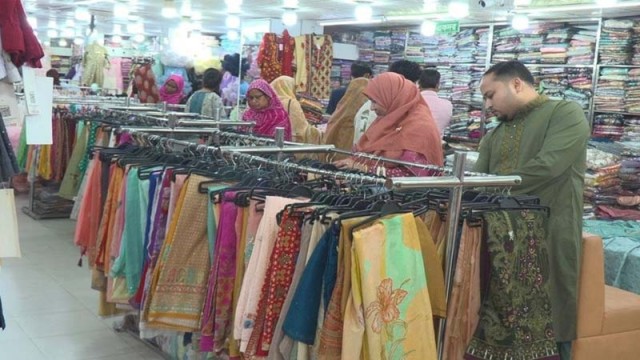
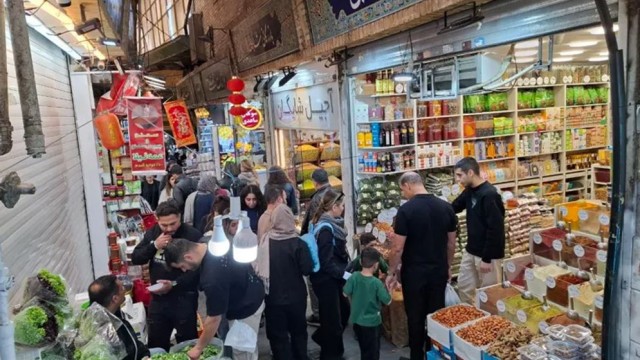
The impact of the soaring cost of living is increasingly visible across the country, particularly in Tehran's bustling Bostan Market, where traders say customer activity has declined sharply as purchasing power continues to weaken.
According to a report by Al Jazeera, many shoppers now visit markets primarily to check prices rather than purchase goods. Rapid and unpredictable price increases have turned everyday shopping into a growing financial burden for ordinary families.
The price of basic food items has risen dramatically over the past year. A kilogram of rice that cost approximately 1.8 million rials a year ago now sells for more than 5 million rials. Cooking oil and other household essentials have also seen multiple price hikes, placing additional pressure on low- and middle-income households.
Many Iranians living on fixed incomes say they are struggling to keep pace with inflation and are increasingly falling below the poverty line. Fatema, a 46-year-old homemaker in Tehran, said she now visits markets several times a week due to constantly changing prices. She noted that meat has become unaffordable for many families, while even chicken is increasingly viewed as a luxury item.
Traders are also feeling the effects of the economic downturn. A wholesaler in southern Tehran said consumers are now purchasing only the most essential goods, adding that sales have declined despite prices doubling in recent months.
A report by the Iranian Chamber of Commerce attributed the worsening economic conditions to a combination of rising food prices, changes in monetary policy, political uncertainty and ongoing international sanctions. The organization warned that the economy is currently under "extreme pressure."
Economic analysts say the crisis is having a profound impact on daily life across Iran, with poverty levels rising and household budgets shrinking as inflation continues to erode purchasing power.
As economic challenges mount, many citizens are calling for measures to stabilize prices and improve living conditions amid growing concerns over the country's financial future.
END/SMA/AJ