WASHINGTON/BEIRUT, April 14 (V7N) – Israel said it was open to peace with Lebanon ahead of landmark talks Tuesday, but insisted Hezbollah remained the “problem” blocking progress, as the United States pressed for a halt to fighting that threatens to unravel its fragile ceasefire with Iran.
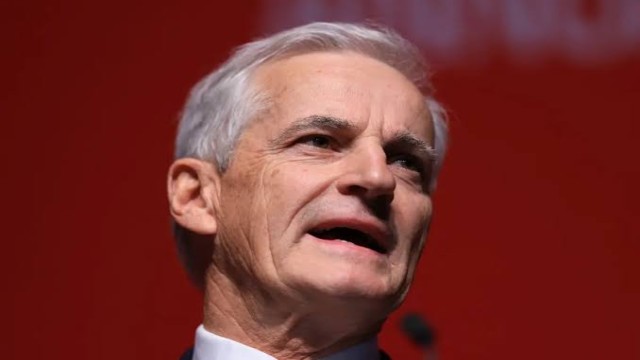
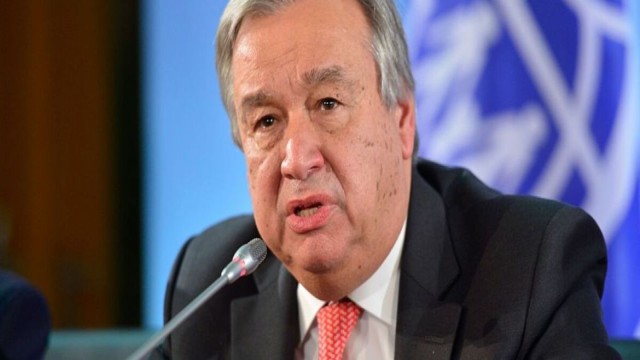
The meeting at the US State Department, mediated by Secretary of State Marco Rubio, brings together the Israeli and Lebanese ambassadors for the first direct in-person talks since 1993. Expectations remain low, with Hezbollah leader Naim Qassem dismissing the dialogue as “futile.” Israeli Foreign Minister Gideon Saar said his country sought “peace and normalisation” with Lebanon but stressed Hezbollah must be addressed before moving to a “different phase.”
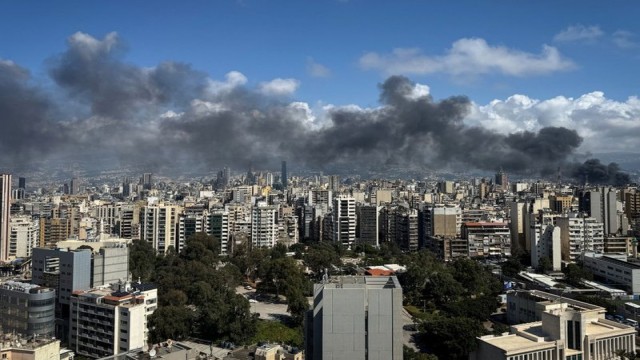
Lebanon has been devastated since Hezbollah’s March 2 attacks on Israel drew the country into the broader war, triggering an Israeli ground invasion and strikes that have killed more than 2,000 people and displaced over one million. President Joseph Aoun has voiced hope for a truce deal and full negotiations, though the two countries remain technically at war.
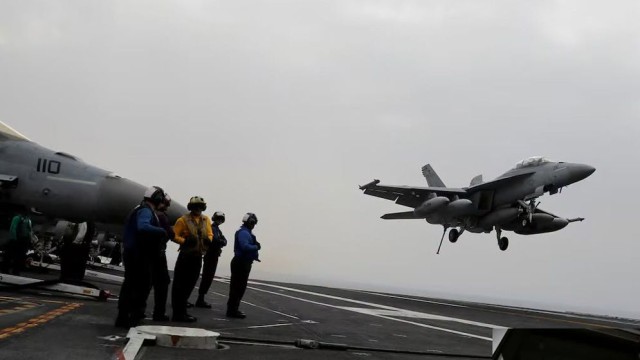
Meanwhile, Washington escalated pressure on Iran with a naval blockade of its ports, covering “vessels of all nations entering or departing Iranian ports.” Tehran branded the move piracy and warned Gulf harbours would not be safe if its security was threatened. President Donald Trump said the blockade aimed to starve Iran of funds and push China, its biggest oil buyer, to lean on Tehran to reopen the Strait of Hormuz.
Despite the blockade, the two-week US-Iran truce remains intact. Trump claimed Iranian representatives had contacted Washington seeking a deal, while Pakistan said efforts were underway to arrange a second round of talks. France and Britain announced plans to co-host a video conference Friday on securing Hormuz, while Russia and China pledged to play constructive roles in Middle East peace efforts.
Diplomatic wrangling continues over Iran’s nuclear programme. US negotiators reportedly sought a 20-year suspension of enrichment, while Iran offered five years — a proposal Washington rejected. Moscow has suggested holding Iran’s enriched uranium as part of any deal.
As regional tensions mount, global markets remained resilient, with Asian equities rallying and oil prices sliding, underscoring the high stakes of the fragile ceasefire and the urgent need for breakthroughs in Washington and beyond.
END/WD/RH