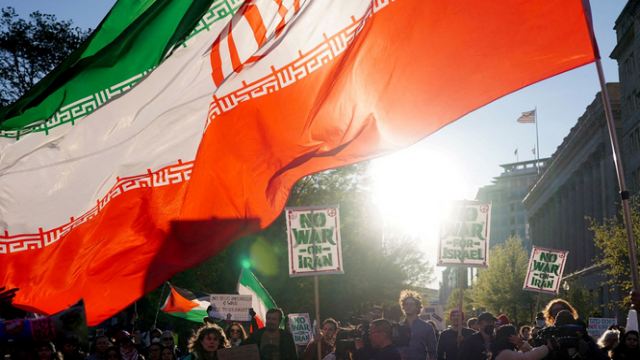
WASHINGTON/ISLAMABAD, April 13 (V7N) - The United States has proposed a 20‑year suspension of Iran’s uranium enrichment program in exchange for sanctions relief, according to media reports Monday, but weekend negotiations in Islamabad failed to produce an agreement, leaving the war in the Middle East unresolved and global energy markets increasingly fragile.
US President Donald Trump, who launched the war on February 28 citing Iran’s alleged atomic bomb ambitions, has vowed never to allow Tehran to acquire nuclear weapons. Vice President JD Vance, leading the talks, said Washington’s “red lines” remain firm: “It’s one thing for the Iranians to say they’re not going to have a nuclear weapon. It’s another thing for us to put in place the mechanism to ensure that’s not going to happen.”
Stalemate in Islamabad
Negotiations over the weekend centered on Iran’s nuclear program and reopening the Strait of Hormuz, a vital waterway through which about 20 percent of the world’s oil and gas flows. According to the Wall Street Journal, Washington sought a 20‑year pause on enrichment, while the New York Times reported that Iran countered with a five‑year suspension.
Israeli Prime Minister Benjamin Netanyahu said removing Iran’s stockpile of 60‑percent enriched uranium was a “central issue” for Trump. Russia has offered to hold Iran’s enriched uranium safely, but Tehran has not acted on the proposal.
UN Calls for Freedom of Navigation
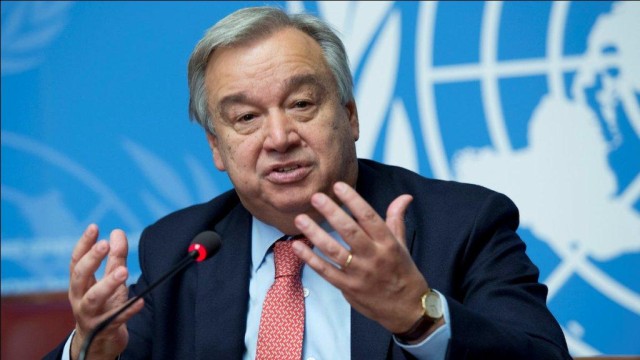
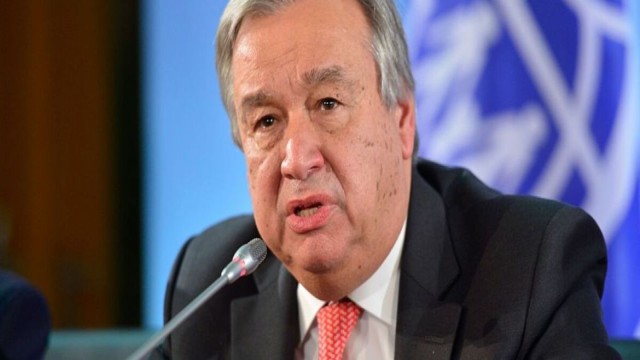
UN Secretary‑General Antonio Guterres urged all parties to respect freedom of navigation in the Strait of Hormuz, warning that disruptions have already caused global economic fragility. “Some 20,000 seafarers have been caught up in this conflict and are currently stranded on ships, facing increasing hardships daily,” his spokesman said.
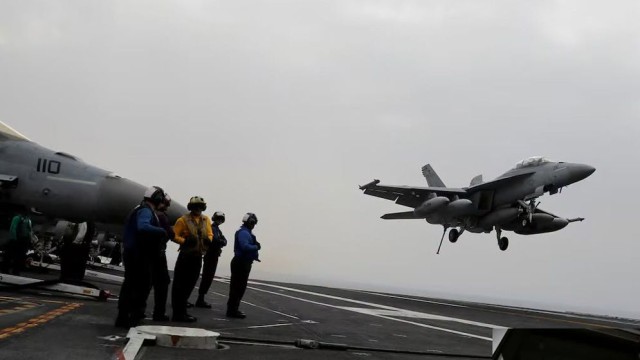
The strait has been effectively blocked since the US‑Israeli strikes began, with Iran halting traffic and Trump ordering a naval blockade of Iranian ports on Monday. Tehran denounced the blockade as a “grave violation” of sovereignty.
Global Market Reaction
Markets reacted sharply to the developments:
Oil prices plunged and stocks rose on hopes of a deal, despite the collapse of talks.
The International Energy Agency warned April could be tougher than March for energy markets, with no new cargoes loaded since the war began.
The IMF and World_Bank pledged up to $75 billion in emergency financing, with contingency plans for as much as $60 billion more if hostilities persist.
IEA chief Fatih Birol said more than a third of 80 impacted energy facilities in the region have been severely damaged. “The longer the disruption is, the more severe the problem becomes,” he warned, adding that “no country is immune to this problem.”
Energy Industry Concerns
At the IMF and World Bank spring meetings in Washington, Patrick Pouyanne, CEO of French energy giant TotalEnergies, said reopening the Strait of Hormuz was critical for global markets. “Even if you have to pay to anybody, free circulation through the Strait of Hormuz is fundamental,” he said.
Pouyanne cautioned that if the blockade lasts more than three months, serious supply issues could emerge in jet fuel, diesel, and fertilizer, potentially driving food prices higher and fueling inflation.
Regional and Political Dimensions
The crisis has reverberated across the region. Hezbollah leader Naim Qassem urged Lebanon to cancel a planned meeting with Israel in Washington, reiterating his group’s rejection of direct negotiations. Meanwhile, Pakistan’s Prime Minister Shehbaz Sharif said the ceasefire between the US and Iran was “holding” and efforts were underway to resolve outstanding issues.
Despite the stalemate, Iranian officials said they had been “inches away” from agreement at one point, raising hopes that further talks could narrow differences.
Outlook
The reported proposals mark a watered‑down version of Trump’s earlier demands that Iran permanently abandon its nuclear ambitions. In 2018, Trump withdrew from the nuclear deal he called “one‑sided,” which had lifted sanctions in exchange for guarantees that Tehran would not build an atomic bomb.
Now, with the Strait of Hormuz paralyzed, energy markets rattled, and diplomatic channels strained, the stakes are higher than ever. The coming weeks will test whether Washington and Tehran can bridge the gap between a 20‑year suspension and a five‑year pause, or whether the conflict will escalate further, deepening global insecurity.
END/WD/RH/