Dhaka, Sep 03 (V7N)- Most of the 117 essential medicines whose prices were fixed by the government are currently unavailable in the market, leaving many low-income patients struggling to afford medicines from private pharmacies at rising prices.
Experts say technological advances have reduced demand for some older medicines, while manufacturers have stopped producing others because government-fixed prices no longer match production costs. They called for stronger market monitoring and research-based price adjustments.
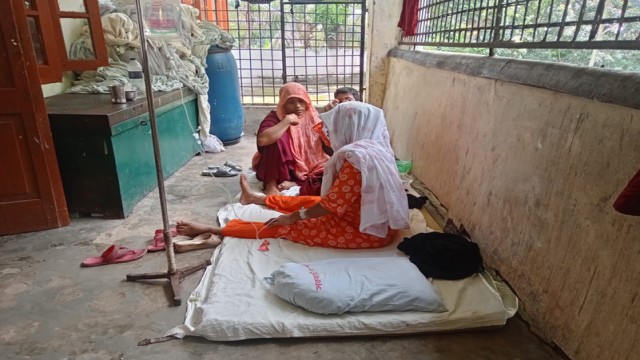
Rickshaw puller Amir Ali recently visited a government hospital in Dhaka for treatment of leg pain. Although he received some vitamin medicines free of charge according to his prescription, the painkillers he needed were unavailable.
Another patient, driver Mehedi, also failed to receive medicines from the hospital. He said he had to spend Tk 2,000–3,000 to purchase medicines from outside, adding to the financial pressure on his family.
The government fixed the prices of 117 essential medicines in 1994 to keep them affordable for ordinary people. However, the pharmaceutical sector has changed significantly since then, with newer technologies and alternative medicines entering the market.
As a result, several medicines on the old essential-drug list, including some medicines used for diabetes, high blood pressure and pain management, are no longer readily available.
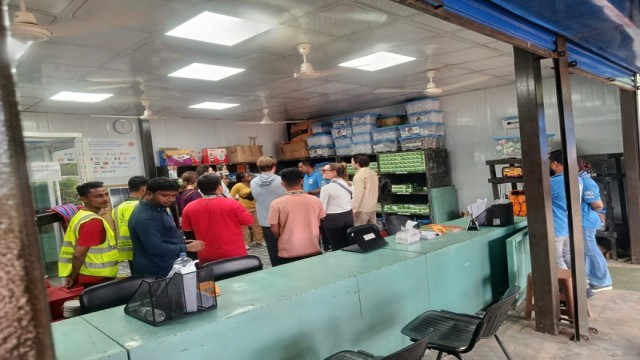
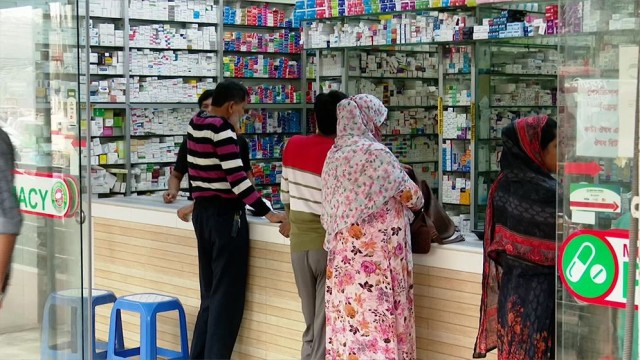
A pharmacy trader in Dhaka said some of the medicines on the list are currently unavailable. He said suppliers had cited shortages of raw materials and expected some products to return to the market later.
Another problem is that the prices of some raw materials have increased while the government-fixed prices of certain medicines have remained unchanged. Manufacturers have consequently stopped producing some products because their production costs exceed the prices at which they can sell them.
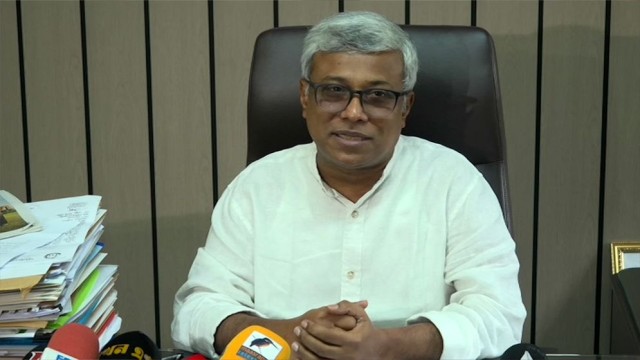
Dr. Shafiun Nahin Shimul, a professor in the Department of Health Economics at the University of Dhaka, said medicine prices are supposed to be reviewed every two years under existing rules.
He said manufacturing costs have increased over time without corresponding adjustments to medicine prices. As a result, pharmaceutical companies are introducing newer medicines while some older essential drugs are becoming less attractive to produce.
Public health expert Dr. Mushtaq Hossain said the technology used to manufacture some older medicines has become outdated, while more modern alternatives have entered the market.
He noted that the prices fixed in 1994 are higher than current production costs for some medicines because advances in automation have reduced the need for human labor and lowered manufacturing expenses.
According to World Health Organization (WHO) policy, essential medicines should be priced within the purchasing capacity of ordinary people. The WHO’s essential medicines framework includes more than 500 medicines.
Taking affordability into consideration, the interim government had initiated a process to fix prices for 295 medicines. However, the BNP government later cancelled the decision.
Dr. Shafiun Nahin Shimul said keeping medicine prices within people’s purchasing capacity is particularly important in Bangladesh, where high prices can prevent many people from obtaining necessary treatment.
At the same time, he warned that prices cannot simply be kept too low. If manufacturers cannot cover production costs, they may lose interest in producing essential medicines, ultimately creating shortages.
He said medicine pricing therefore requires a balance between affordability for patients and reasonable production costs. Focusing on only one side of the issue could create further problems.
Dr. Mushtaq Hossain said around 70–80 percent of healthcare expenses paid directly by patients go toward medicines and diagnostic tests. He called for coordinated efforts by the government and other stakeholders to reduce these out-of-pocket costs.
He also warned that if pharmaceutical companies continue raising prices for higher profits after the Intellectual Property Act comes into effect, the financial burden on ordinary people could increase further.
According to Mushtaq Hossain, Bangladesh could potentially see greater involvement from multinational pharmaceutical companies in supplying medicines at lower prices in the future, including through initiatives involving the United States.
Although average monthly per-capita income is now above Tk 30,000, experts said such averages do not accurately reflect the financial situation of Bangladesh’s large low-income population.
They stressed that medicine prices must remain within people’s purchasing capacity and that effective monitoring of the pharmaceutical market is essential to ensure access to healthcare for all.
END/SMA/AJ