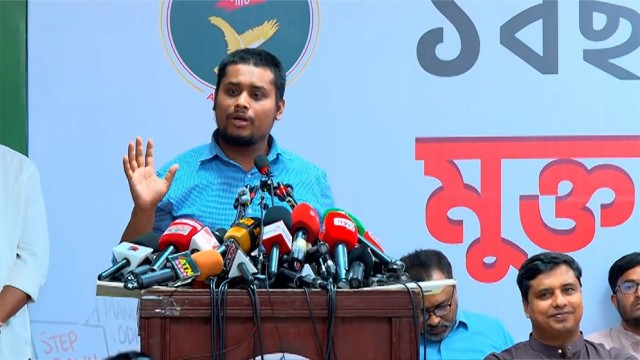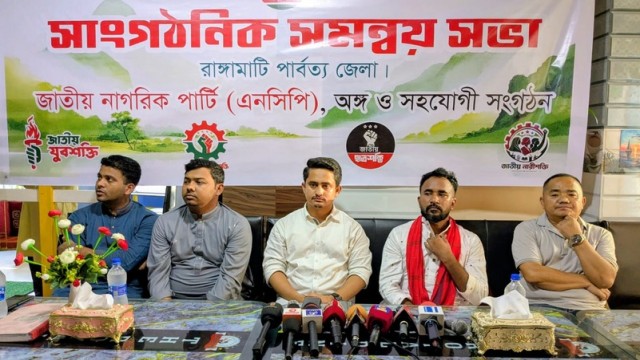
Rangamati, Aug 27 (V7N) — Sarjis Alam, chief organiser of the National Citizens Party (NCP) in the northern region, has called for direct elections to the three hill district councils in the Chittagong Hill Tracts, saying the councils should represent the people rather than serve as local units of political parties.
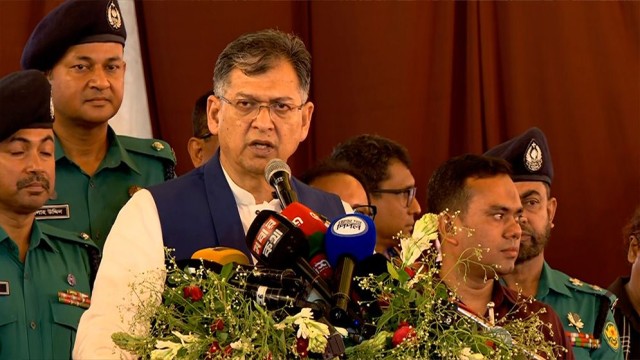
He made the remarks at an NCP organisational coordination meeting held at Reserve Bazar in Rangamati town on Wednesday evening.
Referring to former Prime Minister Sheikh Hasina, Sarjis said, “Sheikh Hasina will never be given a burial on this soil, nor will she receive any welcome if she returns. Her own actions brought about her downfall.”
He said elected representatives should be chosen through direct public voting to ensure democratic representation in the three hill district councils. Turning the councils into local committees of political parties would undermine democracy, he added.
Sarjis also called for the establishment of three fully equipped specialised hospitals, each with at least 500 beds, in the three hill districts.
People living in remote areas often have to spend considerable time travelling to district headquarters for medical treatment, he said, stressing the need for modern hospitals in each district to ensure basic healthcare for residents in hard-to-reach areas.
Expressing concern over the quality of education in the hill region, Sarjis said many people in the area remain deprived of quality education. He called for special initiatives to ensure quality education in schools, colleges and higher education institutions across the three districts.
He urged people to rise above party and group interests and give priority to public welfare. Citizens, he said, should also make informed decisions about what is beneficial or harmful to their interests.
Criticising the previous Awami League government, Sarjis said it was politically unacceptable to talk about Sheikh Hasina’s return after she left the country. He referred to allegations surrounding the July uprising and other actions during her tenure, saying these had contributed to public anger.
Addressing economic inequality, he said a significant share of the country’s resources and state benefits had become concentrated in the hands of a small section of society. While an intermediary class benefited from the system, he said, many people were struggling to meet household expenses through loans and borrowing.
“This system has to be broken,” Sarjis said, calling for continued efforts to bring about political and social change, even if such efforts require sacrifice.
Referring to the July uprising, he said many people had sacrificed their lives and shed blood, creating an opportunity for citizens to regain political rights and speak freely. He said the NCP had emerged as a new political party with the aim of pursuing a politics of change.
Sarjis also criticised the current government, saying people had expected the BNP, which he described as having faced prolonged repression and as a participant in the July movement, to avoid politics based on oppression, abuse of power and corruption after coming to power.
He claimed that differences between public expectations and the political reality had already become visible within six months of the government taking office.
On the hill district councils, Sarjis described their existing formation as disappointing and said the councils held significant importance for the three hill districts.
He questioned how democracy could be established if district councils were turned into local committees of political parties.
Referring to allegations that council positions were being secured in exchange for money, he said such a process could encourage corruption and misuse of public resources, as people who spent large sums to obtain positions might seek to recover their money through illicit means.
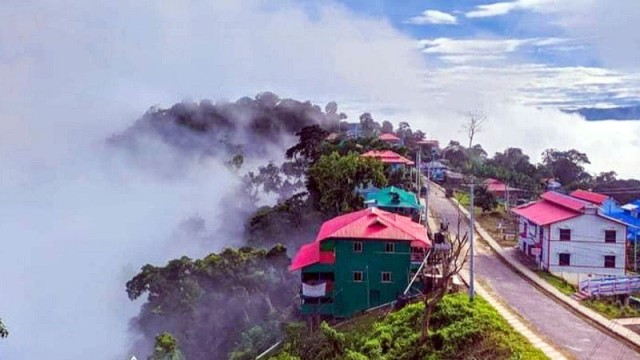
Sarjis urged the authorities to give special priority to the development of the Chittagong Hill Tracts. Although large allocations have reportedly been made for development in the region at different times, he said many remote villages still lacked adequate roads, modern hospitals and quality educational institutions.
He questioned where the development funds were going if basic facilities remained inadequate.
“We want to think beyond narrow interests and focus on the bigger picture,” he said, calling for a Bangladesh where farmers, fishermen, professors and people from every section of society could dream of sending their children to the country’s top educational institutions.
NCP Joint Member Secretary (Office) Sarwar Tushar, Joint Convener Ali Ahsan Junaid, National Student Power General Secretary Abu Bakar Majumder, NCP Chittagong Division Organisational Secretary SM Suzauddin, Labour Power Rangamati district organiser Md Amir Uddin Chowdhury, National Youth Power Organising Secretary Rifat Rashid, NCP Rangamati district joint convener Priya Chakma, Senior Joint Convener Md Sahedul Alam Shakil and Labour Power Rangamati district vice-president Rintu Dewan, among other party leaders and activists, attended the meeting.
END/AMR/SMA/