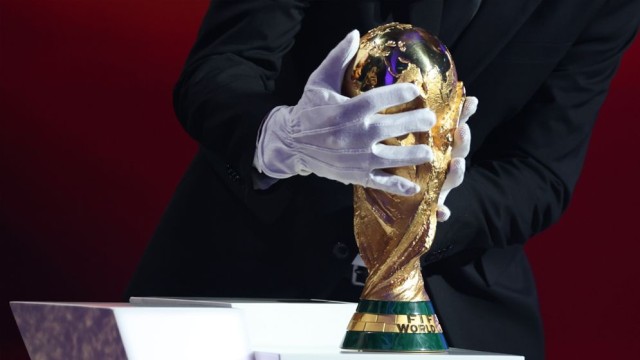
New York, Jul 09 (V7N)- The expanded 2026 FIFA World Cup, jointly hosted by the United States, Canada and Mexico, has reached the quarter-final stage after producing record-breaking goals, dramatic finishes and unprecedented fan attendance.
With 96 of the tournament's 104 matches completed, only eight matches remain, making this the largest World Cup in FIFA history following the expansion to 48 participating teams.
Goals Flow at Historic Rate
The tournament has produced 280 goals in 96 matches, averaging 2.92 goals per game, making it one of the highest-scoring World Cups in modern history.
According to tournament statistics, 74.6 percent of all goals have come from open play, while only 5 percent have been scored from penalties—one of the lowest proportions of penalty goals in World Cup history.
The current scoring rate surpasses the averages recorded at the 2022 Qatar World Cup (2.69), 2018 Russia (2.64) and 2014 Brazil (2.67) tournaments.
Dramatic Knockout Matches
The knockout stage has been marked by a series of late winners and remarkable comebacks.
Eight of the 24 knockout matches have been decided by goals scored after the 85th minute. Argentina's Enzo Fernández scored a stoppage-time winner against Egypt, marking the tournament's 10th match-winning goal after the 90th minute, a new World Cup record.
The tournament has also witnessed rare comebacks, including Argentina's 3-2 victory over Egypt and Belgium's 3-2 win over Senegal, with both teams recovering from two-goal deficits. It is the first World Cup since 1970 in which multiple teams have overturned a 2-0 deficit to win during the same tournament.
Golden Boot Race Intensifies
The race for the Golden Boot has remained highly competitive, with Lionel Messi leading the scoring charts with eight goals, followed by Kylian Mbappé and Erling Haaland on seven goals each.
The tournament has also featured impressive performances from emerging football nations, with teams including Cape Verde, Curaçao and Algeria producing memorable results against more established opponents.
Record Crowds
FIFA says stadium occupancy has reached 99.7 percent, with more than 6.2 million spectators attending matches across the group and knockout stages.
The tournament has averaged around 65,000 spectators per match, making it one of the best-attended World Cups in history and second only to the 1994 FIFA World Cup in the United States.
Refereeing Controversy
Despite the on-field excitement, the tournament has also been overshadowed by controversy.
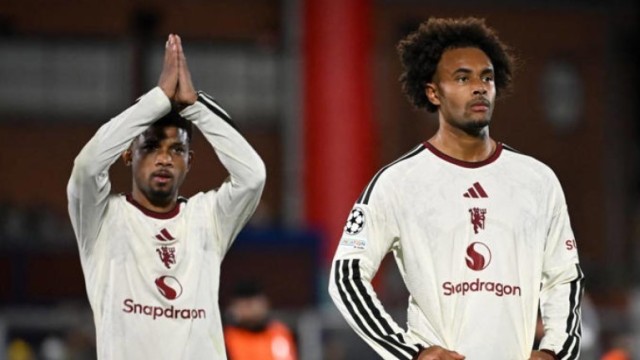
FIFA's decision to overturn a suspension imposed on United States forward Folarin Balogun has sparked widespread debate after U.S. President Donald Trump publicly criticized the player's red card.
The decision has drawn criticism from several football figures and organizations, including UEFA officials, the Belgian Football Association and coaches such as Thomas Tuchel, who argued that political influence should not affect football's disciplinary process and warned that such actions could undermine the integrity and impartiality of the game.
As the tournament enters its final stages, attention will remain focused on both the race for the title and the debates surrounding officiating and governance at football's biggest event.
END/SMA/AJ