TEHRAN, Apr 03 (V7N) — The military conflict in the Middle East reached a new peak of intensity on Friday as joint US-Israeli air operations expanded across several Iranian provinces, while the Islamic Revolutionary Guard Corps (IRGC) launched a significant missile counter-offensive targeting Israeli urban centers. The total death toll in Iran since the start of the conflict on February 28 has now surpassed 2,000 people.
Escalation of Strikes on Iranian Infrastructure
The latest wave of aerial aggression targeted both strategic industrial hubs and civilian infrastructure:
-
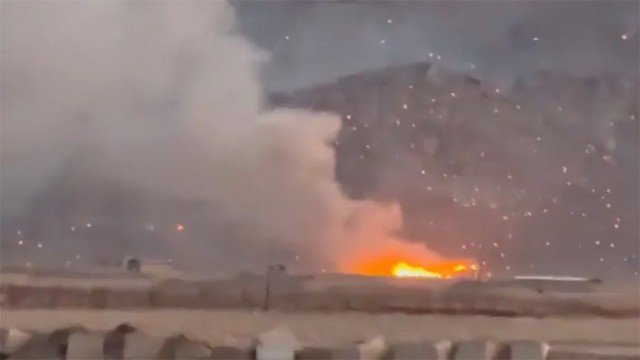
Karaj Bridge Attack: At least 8 people were killed and over 100 others injured when a missile struck a major bridge in the city of Karaj, a vital transport link near the capital.
-
Industrial Sabotage: Heavy strikes were reported in Isfahan province, specifically targeting the country’s two largest steel manufacturing plants. The city of Ahvaz also faced significant bombardment.
-
Tehran Research Center: In the capital, a bomb was dropped on an aging medical research facility. While the strategic value of the building was unclear, the strike added to the atmosphere of high alert in the metropolitan area.
IRGC Retaliation: 91 Missiles Fired
In a direct response to the "Stone Age" threats issued by the US administration earlier this week, the IRGC launched a coordinated barrage of 91 missiles on Thursday night and Friday morning.
-
Targets: The strikes primarily focused on Tel Aviv and the southern port city of Eilat.
-
Interceptions and Impact: Israel’s multi-layered air defense systems intercepted several projectiles. However, falling debris from previous rounds has caused confirmed damage to residential buildings in Petah Tikva. As of Friday afternoon, no official casualties have been reported from the Israeli side regarding this latest volley.
-
The "Oracle" Claim: The IRGC claimed to have successfully struck a data center belonging to the US tech giant Oracle in Dubai. However, UAE and Oracle authorities have issued a firm denial, stating that operations remain unaffected and no such impact occurred.
Regional Expansion: The Houthi Front
The conflict continues to draw in regional allies of the "Resistance Front." Yemen’s Houthi rebels (Ansarullah) launched separate drone and missile attacks targeting Israeli territory on Friday. This coordinated effort aligns with recent statements from Major General Ali Abdollahi, who asserted that the resistance alliance has grown stronger and more unified despite the heavy bombardment of Iranian soil.
Humanitarian and Economic Toll
The humanitarian situation in Iran is deteriorating rapidly as strikes begin to affect power generation and logistics.
-
Casualty Figures: With over 2,000 confirmed dead, hospitals in Tehran and Isfahan are reportedly struggling with a surge of wounded civilians.
-
Global Markets: The persistent "war situation" has kept global oil prices volatile. In Bangladesh, this has already manifested in a Tk 378 hike in LPG prices and a severe fuel crisis at domestic petrol pumps, as the government monitors the situation at the Strait of Hormuz—which remains a critical focal point for global energy security.
The US military maintains that it is "keeping all options open," including the potential seizure of Iranian coastal areas to secure enriched uranium, while Iran’s leadership continues to vow that their "unseen capabilities" will eventually force a US withdrawal.
END/SMA/AJ