Sylhet, May 22 (V7N) — Egg prices in Sylhet have risen sharply in recent weeks, placing additional financial pressure on low and middle-income families already struggling with soaring living costs. Consumers and poultry industry representatives have alleged that a syndicate involving major traders and corporate-linked distributors is behind the sudden and abnormal price hike.
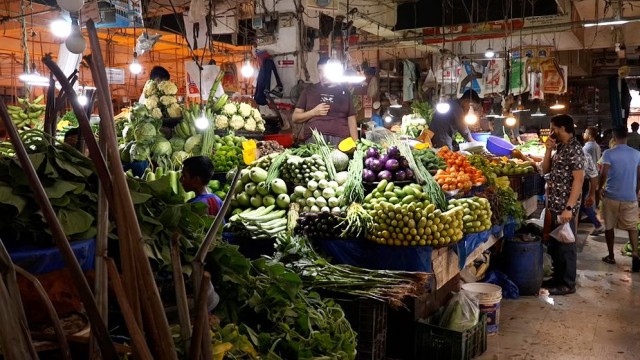
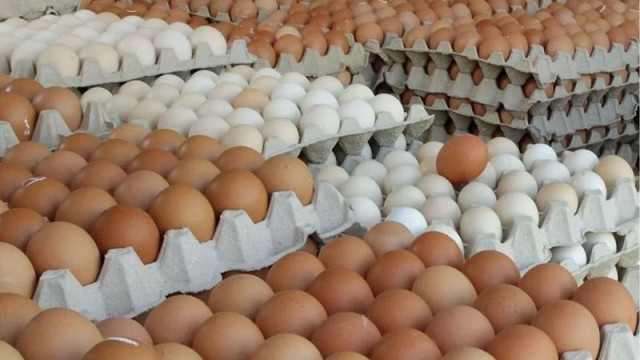
Markets across Sylhet city, including Bandar Bazar, Subidbazar, Shibganj, and Kadamtali in South Surma, are witnessing uncontrolled increases in egg prices. A dozen eggs are currently selling between Tk 150 and Tk 170 in different retail markets, compared to Tk 110 to Tk 120 just a month ago.
Consumers said the rapid rise in prices has significantly worsened household expenses at a time when essential commodity prices remain high.
“Eggs were once considered the cheapest source of protein for ordinary people. Now even eggs are becoming unaffordable,” said a customer at Bandar Bazar.
Market analysts noted that egg prices usually increase slightly during the monsoon season due to higher demand and transportation challenges. However, this year’s price escalation has been unusually steep and rapid compared to previous years.
Similar concerns emerged in 2022, when the government launched investigations into abnormal price hikes in the egg market. At that time, the Directorate of National Consumer Rights Protection (DNCRP) and several law enforcement agencies conducted market monitoring operations and found evidence that large poultry farms manipulated prices through commission agents and controlled auction systems.
Despite allegations of supply shortages, official data indicate that egg production in Bangladesh has steadily increased over the years. According to industry figures, the country produced more than 24.4 billion eggs during the 2024–25 fiscal year, compared to 11.91 billion eggs in the 2015–16 fiscal year. Bangladesh now produces nearly 40 million eggs daily on average.
However, demand has also increased significantly due to the growing use of eggs in various food products and commercial food industries. The country’s egg market is now estimated to be worth nearly Tk 250 billion annually.
Bangladesh Poultry Association (BPA) President Suman Hawlader alleged that corporate companies and their affiliated traders are artificially inflating prices through coordinated syndicate activities.
“Regardless of the actual production cost, various associations linked to the egg trade are fixing prices over mobile phone calls and destabilizing the market,” he said. “Last month, when prices were low, large quantities of eggs were stockpiled. Now they are selling them at inflated prices to maximize profits.”
Hawlader claimed that the syndicate deliberately took advantage of the monsoon season, rising vegetable prices, and higher fuel costs to increase egg prices. He also said marginal poultry farmers are not benefiting from the higher retail prices.
Addressing allegations of illegal stockpiling, industry insiders said eggs can remain fresh for 10 to 15 days under normal conditions and much longer in cold storage facilities. Traders reportedly rotate older stock first while continuing to store newly collected eggs, enabling long-term hoarding practices.
Similar allegations surfaced in May 2024, when egg prices climbed to Tk 150 per dozen and major companies and middlemen were accused of storing eggs in cold storage facilities to create artificial shortages.
Consumer rights activists have expressed frustration over what they describe as inadequate government oversight.
A.H.M. Shafiquzzaman, president of the Consumers Association of Bangladesh (CAB), said poor consumers are suffering due to rising egg prices while market monitoring by relevant authorities remains largely absent.
“The government appears inactive on the issue. We have not seen effective monitoring by consumer rights authorities or the commerce ministry,” he said.
Bangladesh Egg Producers Association President Md. Tahir Ahmed Siddiqui said Bangladesh requires between 35 million and 40 million eggs daily to meet national demand. He noted that a significant portion of supply comes from large commercial producers, including Kazi Farms, Diamond Egg, Paragon Poultry, North Egg, CP Bangladesh, Afil Agro, Peoples Poultry, Nabil Agro, VIP Shahadat, Rana Poultry, and Western Poultry.
According to Siddiqui, some of the country’s largest companies produce nearly 1.5 million eggs daily, while many others produce between 400,000 and 500,000 eggs per day. The remaining supply comes from small and marginal poultry farms across the country.
END/AKR/SMA/