RANGAMATI, April 30, (V7N) — COX’S BAZAR, May 1 (V7N) — A volatile week has unfolded across Cox’s Bazar, marked by heavy armed clashes on the Myanmar border, the kidnapping of local fishermen, and multiple tragic deaths in Rohingya camps and hillside settlements. Despite the prevailing tension, a significant economic milestone was reached as long-suspended border trade finally resumed through the Teknaf land port on Friday.
The border region near Ukhia remains on high alert following an intense outbreak of gunfire on Friday morning. Witnesses reported that two armed groups in Myanmar’s Maungdaw township exchanged over 200 rounds of fire, causing widespread panic among residents of the Palongkhali union. Lt. Col. Zahirul Islam, commander of the Ukhia BGB Battalion, confirmed that security forces are maintaining a strict vigil to prevent any spillover of the conflict.
In a direct consequence of the border instability, two Rohingya individuals were detained by the Border Guard Bangladesh (BGB) for illegal entry during the skirmish. The detainees have since been handed over to local police authorities. Security officials noted that sporadic gunfire continued into the afternoon, signaling a fragile and unpredictable situation across the frontier.
The Naf River has become a flashpoint for safety concerns following the abduction of seven Bangladeshi fishermen on Thursday morning. Armed members of the Arakan Army reportedly surrounded two fishing boats near Shahparir Dwip and took the men away at gunpoint. The group included a father and his two sons, sparking deep anxiety among the local fishing community who rely on the river for their livelihoods.
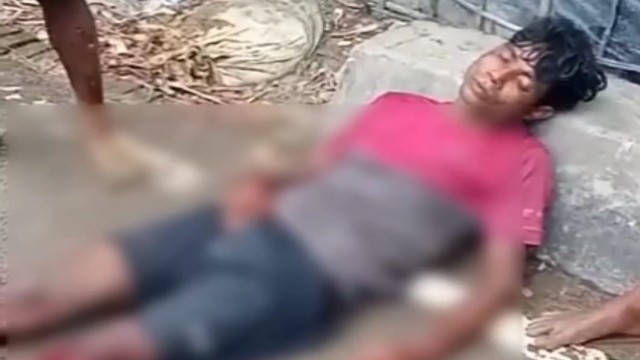
Tragedy struck the Rohingya refugee settlements as a four-year-old boy, Mohammad Riaz, was killed in a road accident at Kutupalong Camp-3. The child was struck by a straw-laden truck while playing near a block road on Friday afternoon. Although he was rushed to the Ukhia Upazila Health Complex, medical officials were unable to save him, and his body has been sent for an autopsy.
The camps faced further distress on Thursday morning when police recovered the body of a 29-year-old Rohingya woman from a lake near Camp-20. The deceased, identified as Morijan, was a mother of four residing in Camp-19. Authorities have initiated an investigation into the circumstances of her death, with the body currently at Cox’s Bazar Sadar Hospital for forensic examination.
Human-wildlife conflict also took a deadly turn in Ramu upazila, where a wild elephant attack claimed the lives of a mother and her young daughter. Early Wednesday, a herd of elephants raided fruit trees in the Dakshin Khunia area and attacked a hillside residence. Chenora Begum (24) and her two-year-old daughter, Achma Bibi, were fatally injured while attempting to flee their home.
Local residents in the hillside areas have expressed increasing fear over the frequency of such elephant raids. The victims were recovered by police and sent for autopsy as part of standard procedure. Forest department officials have been urged to increase monitoring in these vulnerable corridors to prevent further encounters between villagers and migrating herds.
In a rare positive development amidst the security crises, the Teknaf land port officially reopened for trade on Friday afternoon. The port had been closed for nearly a year due to the escalating internal conflict in Myanmar’s Rakhine state. A timber-laden vessel from Myanmar was the first to dock at the port, marking a cautious return to commercial normalcy.
Port General Manager Jasim Uddin confirmed the arrival of the cargo at 1:30 pm, signaling a potential revival for local business leaders. The closure had previously caused significant economic strain on importers and exporters who rely on the Myanmar-Bangladesh trade route for timber, ginger, and other essential goods.
While the resumption of trade offers a glimmer of economic hope, the regional administration remains heavily preoccupied with the humanitarian and security challenges. The combination of cross-border insurgency, criminal activity within the camps, and the threats posed by local wildlife has created a complex environment for law enforcement agencies to navigate.
As the week concludes, the Cox’s Bazar district administration and security forces have reinforced their presence in sensitive areas. The primary focus remains on securing the border against illegal infiltration and ensuring the safety of both the local population and the hundreds of thousands of refugees residing in the coastal belt.
END/SIU/RH/