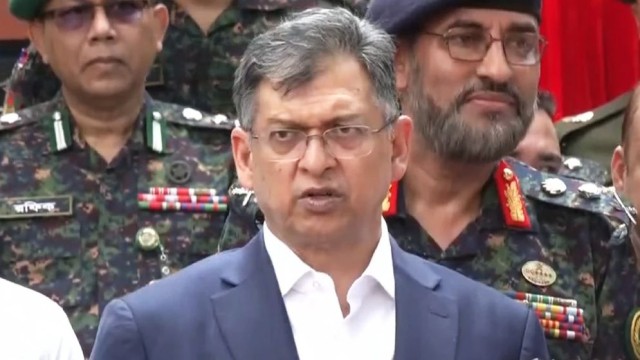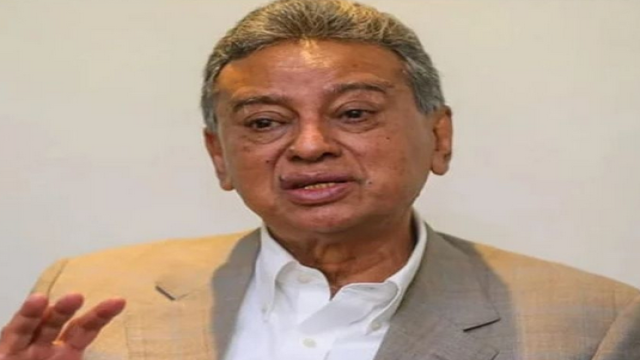
Dhaka, May 1, (V7N) — Amir Khosru Mahmud Chowdhury, a senior Bangladeshi politician and noted economic policy expert, currently serves as the Minister of Finance and Planning. Appointed on February 17, 2026, his leadership marks a significant moment in Bangladesh’s economic governance, blending decades of political experience with deep expertise in fiscal policy, trade diplomacy, and capital market development.
Born on February 20, 1950, in Chattogram, Amir Khosru hails from a distinguished political family. His father, Mahmudunnabi Chowdhury, was a minister and legislator during the East Pakistan period, instilling in him a legacy of public service. Khosru completed his undergraduate studies at Chattogram College before pursuing professional accountancy studies in the United Kingdom. This academic foundation provided him with strong skills in finance, economic management, and institutional reform, which later shaped his career.
Khosru was first elected to the Jatiya Sangsad in 1991 and has since been re-elected multiple times, establishing himself as a seasoned parliamentarian. A member of the Bangladesh Nationalist Party (BNP), he has served on its Standing Committee, contributing to policy formulation and strategic direction.
His most prominent ministerial role prior to his current appointment was as Minister of Commerce from 2001 to 2004. During this tenure, he represented Bangladesh in key World Trade Organization (WTO) negotiations, including the Doha and Cancun Ministerial Conferences. He emerged as a strong advocate for Least Developed Countries (LDCs), hosting the pre-Cancun LDC Ministerial Conference in Dhaka, which adopted the influential “Dhaka Declaration.” This positioned Bangladesh as a leading voice for LDCs in global trade diplomacy.
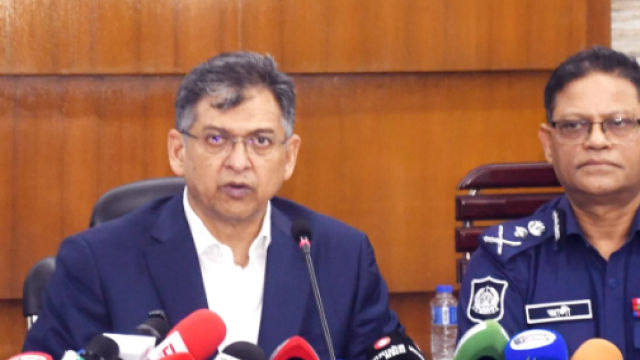
As Finance and Planning Minister, Khosru oversees national fiscal policy, budget formulation, public finance management, and long-term economic planning. His appointment comes at a time when Bangladesh faces global economic uncertainties, energy challenges, and the need for structural reforms.
Khosru’s approach emphasizes transparency, institutional capacity, and investment-friendly policies. He has prioritized revenue mobilization, export diversification, and technology-driven production, while also focusing on strengthening governance in the financial sector. His leadership is seen as crucial for steering Bangladesh toward sustainable growth and achieving its long-term development goals.
Beyond politics, Khosru has played a pioneering role in developing Bangladesh’s capital market and regional financial infrastructure. He is the Founder Chairman of the Chittagong Stock Exchange, a former President of the Chattogram Chamber of Commerce and Industry, and the first President of the Federation of South Asian Stock Exchanges.
These roles highlight his ability to link public service with private sector leadership, fostering financial innovation and regional cooperation. His efforts have contributed to the modernization of Bangladesh’s capital markets, enhancing investor confidence and integrating the country into broader South Asian financial networks.
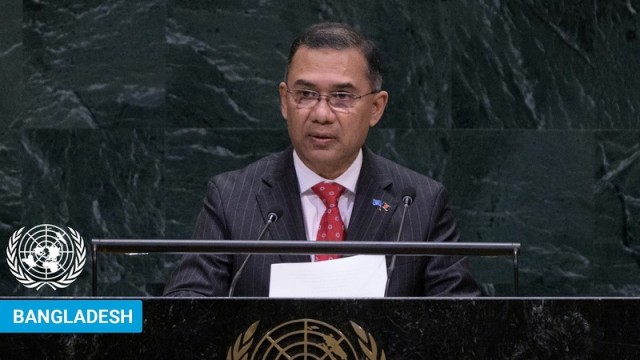
Khosru’s international exposure has been a defining feature of his career. His participation in WTO negotiations and advocacy for LDCs demonstrated his ability to navigate complex global economic issues. By championing fair trade and equitable access for developing nations, he positioned Bangladesh as a credible voice in international forums.
His expertise in trade diplomacy continues to inform his current role, as Bangladesh seeks to expand export markets, attract foreign investment, and negotiate strategic Free Trade Agreements (FTAs) across Asia, Europe, Africa, and the Middle East.
Khosru’s policy vision combines pragmatic economic management with long-term institutional reform. He emphasizes:
- Fiscal discipline: Ensuring efficient budgetary allocations and reducing deficits.
- Export diversification: Expanding beyond traditional garments to technology, agriculture, and services.
- Investment climate: Streamlining regulations and improving access to land and energy.
- Financial governance: Strengthening oversight of banks and reducing non-performing loans.
- Regional integration: Promoting South Asian cooperation in trade and finance.
This vision reflects his belief that sustainable growth requires both domestic reforms and international engagement.
Widely regarded for his depth of experience and international exposure, Amir Khosru Mahmud Chowdhury remains a key figure in Bangladesh’s economic policymaking. His ability to combine political leadership with technical expertise sets him apart as a policymaker who understands both the complexities of governance and the mechanics of economic systems.
Colleagues and observers note his pragmatic style, commitment to reform, and ability to balance political realities with economic imperatives. His legacy includes not only his ministerial achievements but also his contributions to building institutions that support Bangladesh’s long-term development.
Amir Khosru Mahmud Chowdhury’s career reflects the intersection of politics, economics, and international diplomacy. From his early days as a parliamentarian to his current role as Finance and Planning Minister, he has consistently demonstrated leadership in advancing Bangladesh’s economic interests.
His pioneering work in capital markets, advocacy for LDCs, and commitment to fiscal and institutional reform underscore his importance in shaping Bangladesh’s economic trajectory. As the country navigates global challenges and seeks to achieve its development ambitions, Khosru’s blend of experience, expertise, and vision positions him as a central figure in guiding Bangladesh toward a more resilient and prosperous future.
END/AJ/RH