RAJSHAHI, April 22, (V7N) — The sudden fuel price hike has begun to ripple across multiple sectors, hitting farmers, traders, transport workers, and field employees hardest. Rising production and transport costs are driving up market prices, squeezing ordinary consumers.
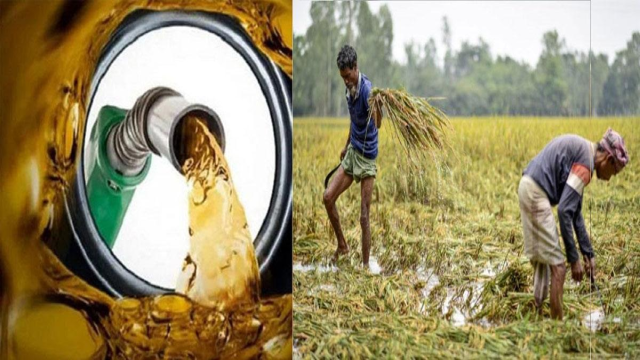
Farmers in Rajshahi, especially those dependent on diesel‑powered irrigation pumps, are struggling. Tabarak Hossain of Godagari said he cannot irrigate his paddy fields properly due to soaring costs, doubting whether he will recover his investment. Abul Kalam of Paba echoed similar concerns, noting that fertilizer, seed, and labor costs were already high, and now irrigation expenses have worsened the situation. Reduced irrigation threatens lower yields.
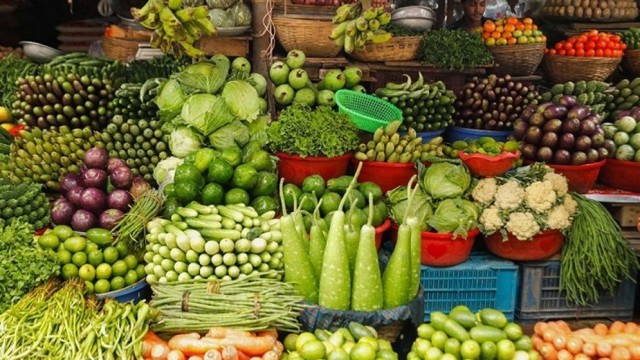
Small traders are also feeling the pinch. Manik Hossain, a vegetable seller in Puthia, said transport fares for carrying produce have jumped from Tk 500 to Tk 600–700, cutting profits. Urban traders report rising prices of daily essentials as higher transport costs push up wholesale‑to‑retail margins.
Sales representatives, who rely on motorcycles for daily work, face mounting expenses. Azizul Haque, a private company salesperson, said fuel costs are eating into his income, with companies often refusing to cover the extra burden.
Ordinary shoppers like Rafiqul Islam complain that prices of essentials are climbing daily while incomes remain stagnant. Families fear that if the trend continues, managing household budgets will become impossible.
Ahmed Shafi Uddin, president of Rajshahi SUJON, described the hike as a “chain reaction” — raising costs from production to transport to marketing, ultimately inflating the cost of living. He urged the government to expand farmer subsidies, provide easy loans, explore alternative fuels, and strengthen oversight in the transport sector to prevent unfair fare hikes.
END/RAR/RH