Doha, Jun 14 (V7N) – Uncertainty continues to surround a proposed US–Iran peace agreement, with conflicting statements from Washington and Tehran over whether a final deal will be signed on Sunday, according to an analysis by Qatar-based media outlet Al Jazeera.
The reported diplomatic breakthrough comes amid more than 100 days of ongoing hostilities involving the United States, Iran, and Israel, marked by intermittent ceasefires, counterclaims of attacks, and escalating regional tensions.
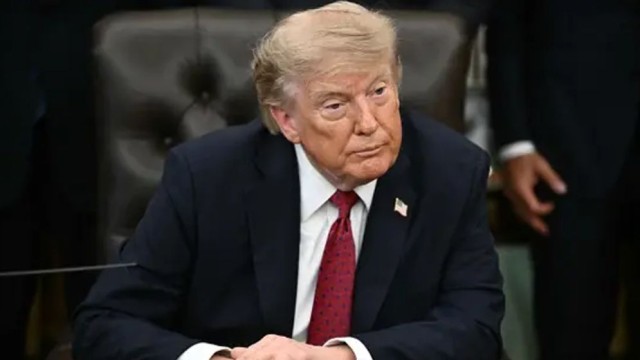
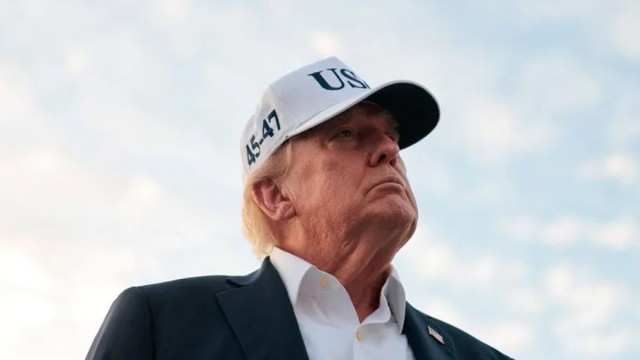
US President Donald Trump said in recent remarks and social media posts that a peace agreement was expected to be signed on June 14, adding that the Strait of Hormuz would be reopened to international shipping following the deal. He also indicated that planned military action against Iran had been delayed due to progress in negotiations.
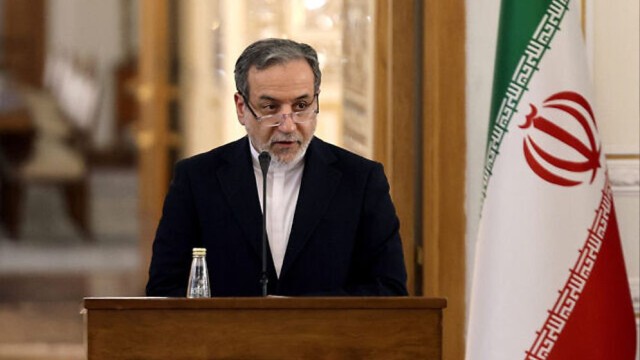
However, Iranian officials have rejected the timeline. Foreign Ministry spokesman Esmail Baghai stated that there is no possibility of signing an agreement on Sunday, although he suggested that a deal could still be reached in the coming days. Foreign Minister Abbas Araghchi also noted that while negotiations are progressing, key issues remain unresolved.
Diplomatic efforts have reportedly been supported by Pakistan, with Prime Minister Shehbaz Sharif saying the agreement could be finalized within 24 hours through electronic signing mechanisms. He described the initiative as a potentially historic step toward stabilizing the Middle East.
According to Iranian sources cited in the discussions, the draft framework includes 14 articles covering issues such as lifting restrictions on Iranian ports, releasing frozen assets, halting military hostilities, and establishing a separate framework for future nuclear negotiations. The nuclear issue remains the central point of contention, with the United States demanding restrictions on Iran’s nuclear capabilities, while Tehran insists its program is peaceful and civilian in nature.
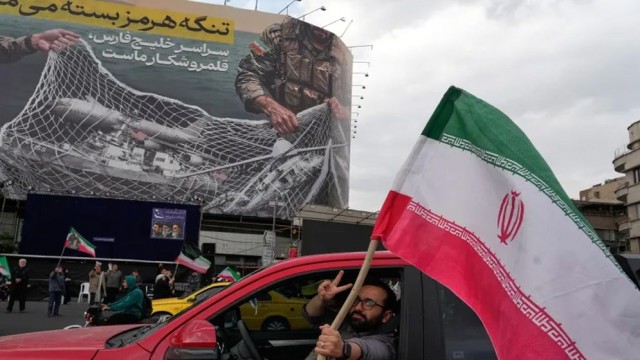
The proposed agreement also includes discussions around the Strait of Hormuz, a critical global energy route. While Trump has claimed the waterway would reopen fully after a deal, Iranian officials maintain that the strait lies within their territorial jurisdiction and may be subject to new regulations or fees.
International reactions remain mixed. British Prime Minister Keir Starmer has welcomed the possibility of a deal, calling it a step toward regional stability. Meanwhile, concerns have been raised in Israel over the potential geopolitical consequences of the agreement.
Despite signs of progress, analysts say the absence of a confirmed signing date highlights the fragility of the negotiations and the remaining gaps between the two sides. As of now, no official confirmation has been issued regarding the signing of the agreement on Sunday.
END/SMA/AJ