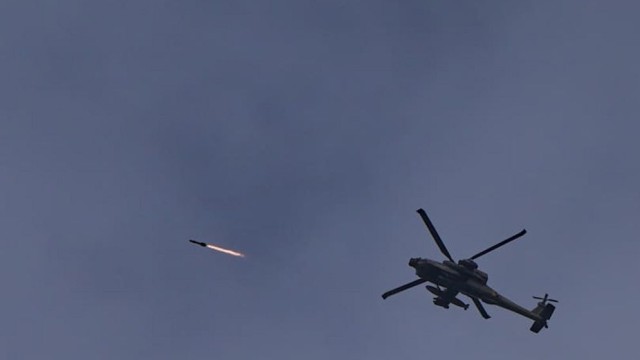
Washington, Jun 10 (V7N) – The United States launched a series of military strikes against Iran late Tuesday night in what U.S. officials described as a "self-defense" response to the downing of an American Army Apache helicopter near the Strait of Hormuz.
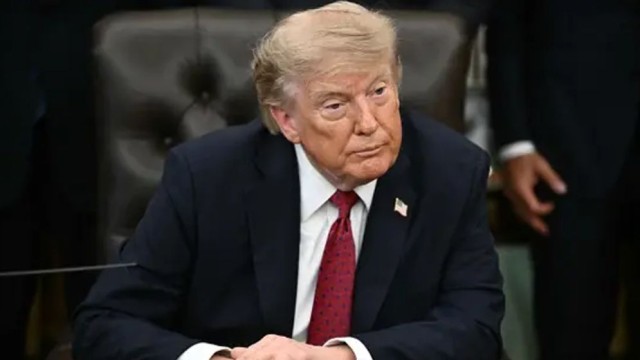
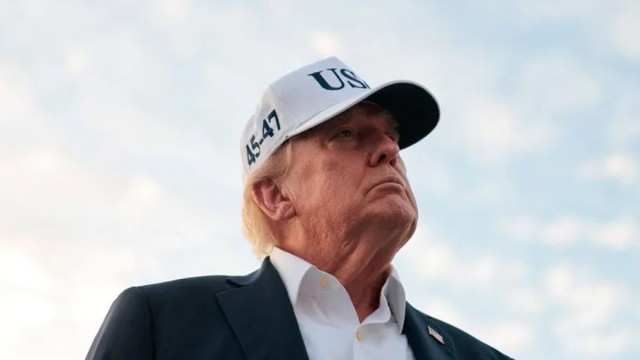
In a statement, the U.S. Central Command (CENTCOM) said the operation was carried out under the direction of President Donald Trump and was intended as a proportional response to what it called "unjustified Iranian aggression." U.S. forces reportedly targeted Iranian air defense systems, radar installations, and ground-control facilities located near the strategic Strait of Hormuz.
Hours after the first wave of strikes, explosions were reported in several locations across southern Iran, including Jask, Bandar Abbas, Sirik, and Qeshm Island. Iranian state and local media said residents heard multiple blasts, while air defense systems were activated in the affected areas.
Earlier on Tuesday, President Trump announced that the United States would respond after Iran allegedly shot down a sophisticated U.S. Apache helicopter while it was conducting patrol operations near the Strait of Hormuz. In a post on Truth Social, Trump said the attack could not go unanswered, although he confirmed that the helicopter's two crew members were safely rescued and were not injured.
According to reports from American media, the U.S. strikes focused on radar stations and air defense facilities that Washington believes were connected to the incident. U.S. officials emphasized that the operation was limited in scope and not intended to derail ongoing diplomatic efforts aimed at reducing tensions in the region.
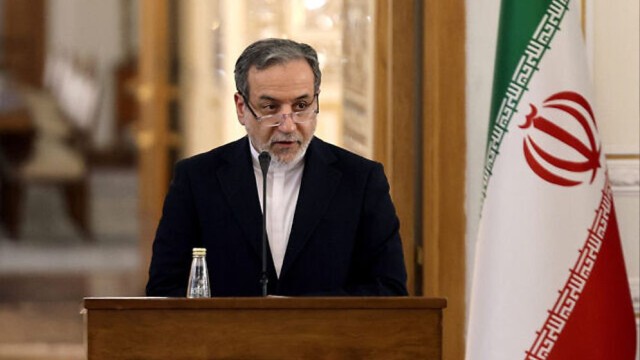
Meanwhile, Iranian Foreign Minister Abbas Araghchi warned that any attack against Iran would receive a response. In a statement posted on social media, he reiterated that foreign military forces operating near Iranian territory assume significant risks and cautioned against further escalation.
Just before the strikes were launched, Trump told ABC News that the American response would be "very strong." The operation marks a significant escalation in tensions between Washington and Tehran and raises fresh concerns about stability in the Gulf region, particularly around the Strait of Hormuz, one of the world's most important energy shipping routes.
Despite the military exchange, U.S. officials maintain that diplomatic channels remain open and that efforts to prevent a broader regional conflict are continuing.
END/SMA/AJ