
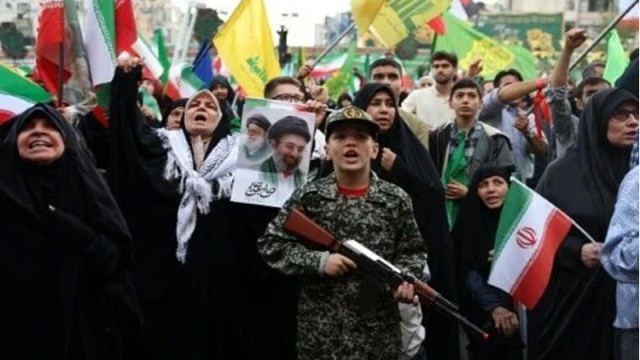
TEHRAN, May 3, (V7N) – A senior Iranian military official warned on Saturday that renewed fighting with the United States was "likely" following President Donald Trump’s rejection of a new Iranian negotiating proposal. Iran had delivered the draft proposal to Pakistan on Thursday, although details about its contents were not revealed by state media.
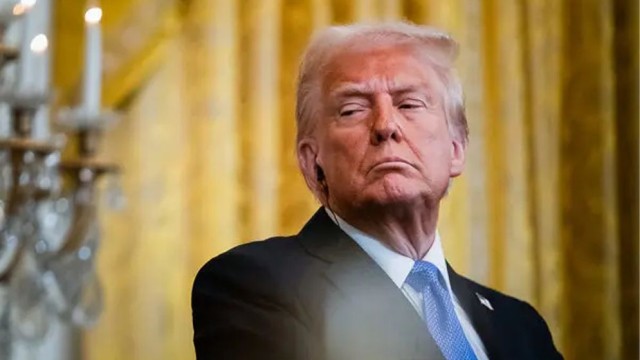
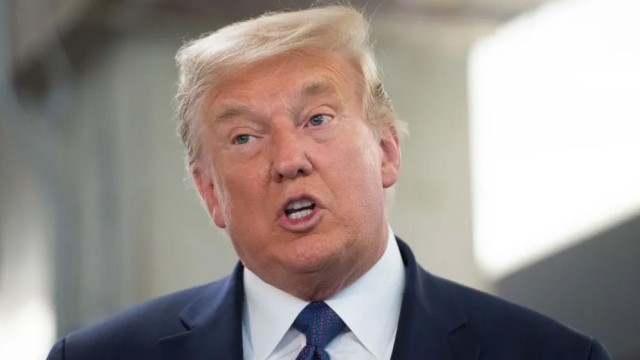
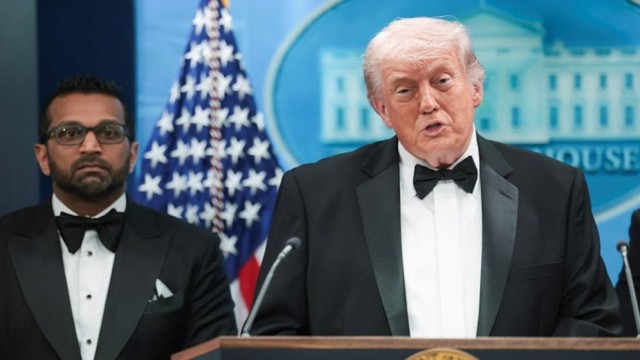
The conflict, which began in late February with a US and Israeli attack on Iran, had been paused since April 8 following a failed round of peace talks in Pakistan. Trump expressed dissatisfaction with the Iranian offer, citing "tremendous discord" within Iran’s leadership. In remarks to reporters, he said the decision facing him was whether to escalate the conflict further or try to reach a deal, stating that he would prefer to avoid military action.
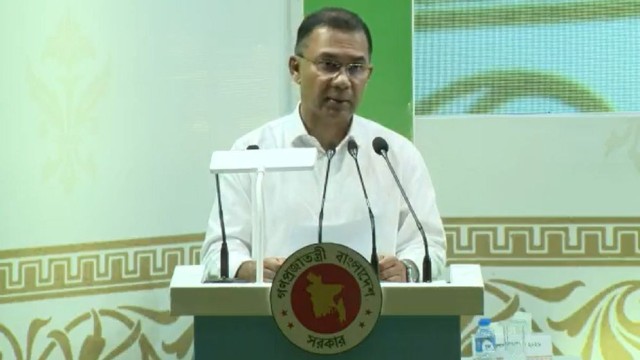
Mohammad Jafar Asadi, a senior member of Iran’s military central command, responded by stating, "Evidence has shown that the United States is not committed to any promises or agreements." He added that a new conflict with the US was likely. Iran's Deputy Foreign Minister Kazem Gharibabadi also emphasized that the United States now has to choose between diplomacy or continuing a confrontational approach, with Iran "prepared for both paths."
The White House has not disclosed specifics on the latest Iranian proposal, but reports indicated that US envoy Steve Witkoff had presented amendments aimed at placing Iran's nuclear program back on the negotiating table. In response, Iran’s mission to the UN accused Washington of hypocrisy, citing the vast US nuclear arsenal and asserting there is no legal restriction on Iran's uranium enrichment as long as it is conducted under the supervision of the International Atomic Energy Agency (IAEA).
Economic and Military Fallout
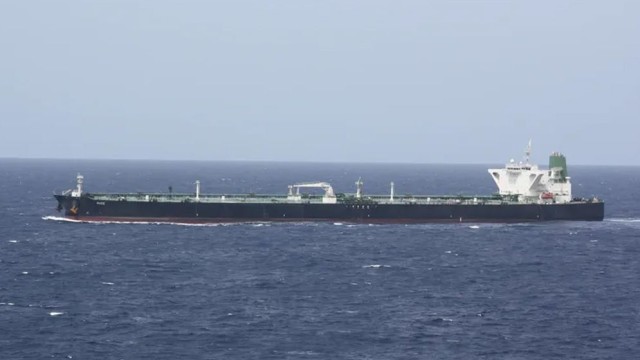
The new Iranian proposal briefly caused oil prices to drop nearly 5%, although they remain about 50% higher than pre-war levels due to the continued closure of the Strait of Hormuz. Iran has maintained control over the critical waterway since the war began, disrupting global oil and gas supplies, while the US has imposed a counter-blockade on Iranian ports.
Meanwhile, Iran is considering legislation that would allocate 30% of tolls collected from the Strait of Hormuz for military infrastructure, with the rest earmarked for economic development. Ali Nikzad, vice speaker of Iran's parliament, stated, "Managing the Strait of Hormuz is more important than acquiring nuclear weapons."
Ongoing Violence and Domestic Strain
In Lebanon, Israeli forces continued airstrikes despite a separate truce with Hezbollah. Israel struck several Hezbollah targets in southern Lebanon, including a religious building in the village of Yaroun. Hezbollah responded with multiple attacks on Israeli troops.
In Washington, the debate over whether Trump violated a deadline for seeking congressional approval for the war continues. While the administration argues that the ceasefire paused the 60-day clock, opposition Democrats dispute this claim. Trump stated in a letter to congressional leaders that hostilities had "terminated" since April 7, 2026.
In Iran, the war's economic impact is deepening, with oil exports severely reduced and inflation surpassing 50%. Amid growing hardship, Tehran resident Amir shared his concerns: "Everyone is trying to endure it, but... they are falling apart." He added that while many had savings, those reserves are quickly running out, signaling a dire future for the population.
END/WD/RH/











Comment: