
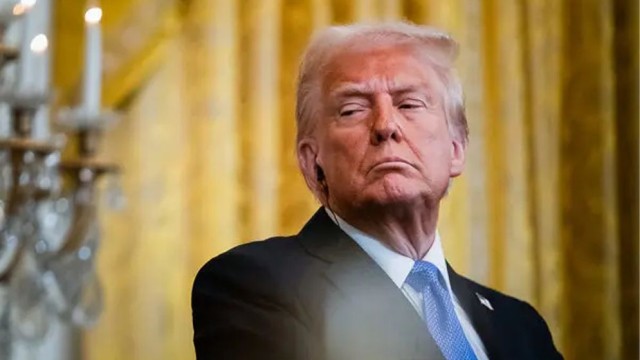
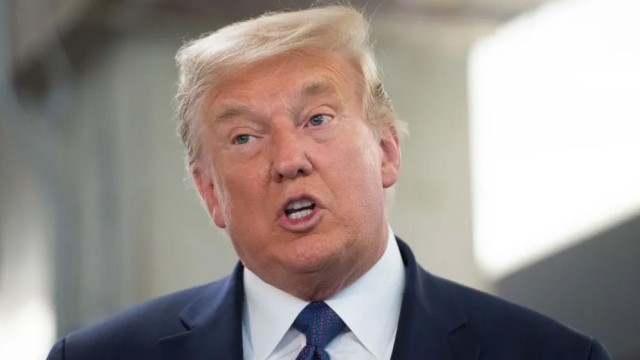
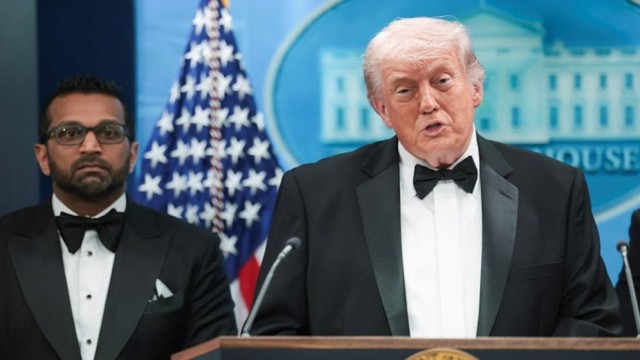
May 03 (V7N) - US President Donald Trump announced Saturday that the United States would reduce its troop presence in Germany even further than previously reported, deepening the rift with Germany and other European allies amid escalating tensions over the Middle East conflict.
The Pentagon had disclosed a planned withdrawal of 5,000 US troops from Germany, but Trump told reporters that the reduction would go "way down" beyond the initial figure, though he provided no further details. The move follows a clash with German Chancellor Friedrich Merz, who criticized the US response to Iran’s behavior in the ongoing negotiations.
"We're going to cut way down, and we're cutting a lot further than 5,000," Trump said, indicating a possible broader withdrawal. The Pentagon stated that the pullback is expected to be completed within six to twelve months.
NATO and Germany React to US Troop Reduction
NATO has expressed concerns about the reduction, seeking clarification from Washington on the details. NATO spokeswoman Allison Hart underscored that the move highlights Europe's need to invest more in defense and take on greater responsibility for regional security.
In response, German Defense Minister Boris Pistorius noted that the withdrawal of US troops from Germany was anticipated. He emphasized that Europe must do more to ensure its own security, even as Germany has increased defense spending in line with Trump’s previous calls.
The decision to reduce US troops is facing backlash from key Republican lawmakers in the US. Senators Roger Wicker and Mike Rogers warned that the troop cuts could send the wrong message to Russia amid rising tensions in Eastern Europe.
Trump’s Economic Punishment for Allies
Trump has also threatened to increase tariffs on cars and trucks imported from the European Union, raising the rate from 15% to 25% starting next week. He accused the EU of not adhering to trade agreements made last summer, further complicating the already strained relations between the US and its European allies.
Peace Talks with Iran: Trump Skeptical of New Proposal
Amid these diplomatic tensions, Trump expressed skepticism about a new peace proposal from Iran, which reportedly submitted a 14-point draft to Pakistan. The proposal includes ending hostilities across all fronts and creating a new framework for the Strait of Hormuz, a crucial waterway for global oil shipments.
"I can’t imagine that [the proposal] would be acceptable," Trump said, criticizing Iran’s behavior over the past 47 years. He indicated that any potential peace deal would require Iran to pay a much greater price for its actions.
Escalating Violence in Lebanon Despite Ceasefire
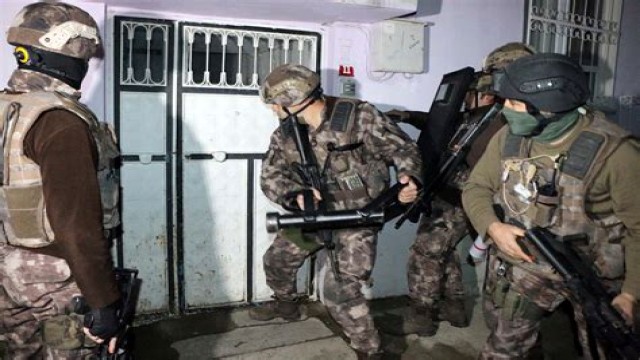
Despite a fragile ceasefire agreement between Israel and Hezbollah, Israeli airstrikes continued on Saturday in southern Lebanon, targeting Hezbollah positions. At least three people were killed in the town of Sammaiyeh, and the Israeli military said it dismantled over 70 military structures and 50 Hezbollah infrastructure sites.
Hezbollah, in turn, claimed to have attacked Israeli troops in retaliation for the strikes. The ongoing violence has raised concerns about the stability of the ceasefire brokered in mid-April.
Economic Toll on Iran Intensifies
In Iran, the economic toll of the conflict is becoming more severe. Oil exports have been significantly impacted, and inflation has surpassed 50%. While many Iranians have relied on savings to cope with the economic strain, the situation is expected to worsen as reserves are depleted.
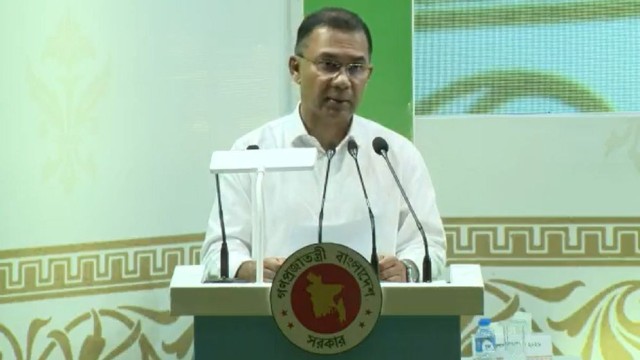
Iran’s deputy foreign minister, Kazem Gharibabadi, reaffirmed Tehran’s readiness for either diplomacy or continued confrontation, depending on the actions of the United States.
Meanwhile, China rejected US sanctions targeting five Chinese firms accused of purchasing Iranian oil. The Chinese Ministry of Commerce condemned the sanctions as an unfair restriction on normal business activity, highlighting Beijing’s ongoing support for Tehran amid the conflict.
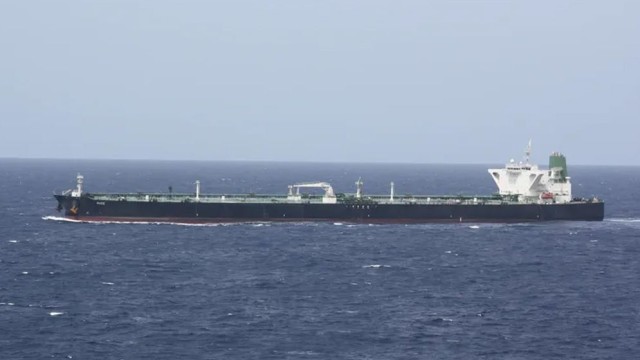
In a controversial statement, Trump described US Navy actions in the Strait of Hormuz as "like pirates" in reference to operations seizing ships amid the ongoing blockade of Iranian ports. "We’re sort of like pirates. But we’re not playing games," he said, referring to the high-stakes naval operations in the region.
As these developments unfold, the future of US-Iran relations and the broader Middle East conflict remains uncertain, with military tensions rising alongside ongoing diplomatic negotiations
END/WD/RH








Comment: