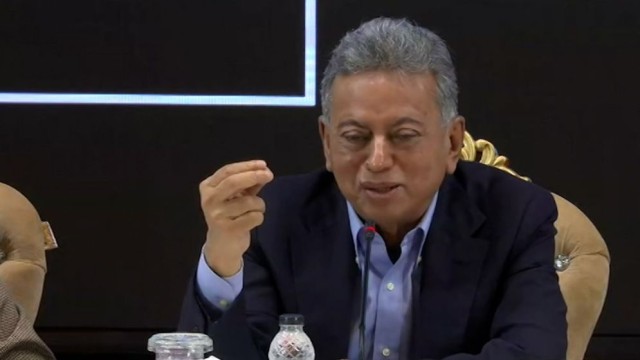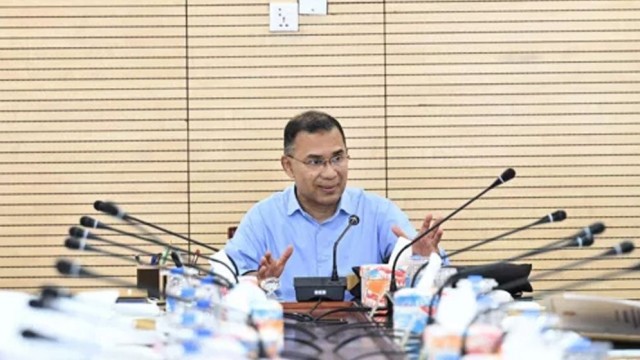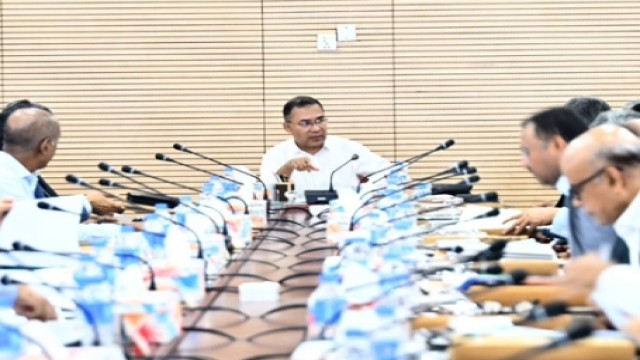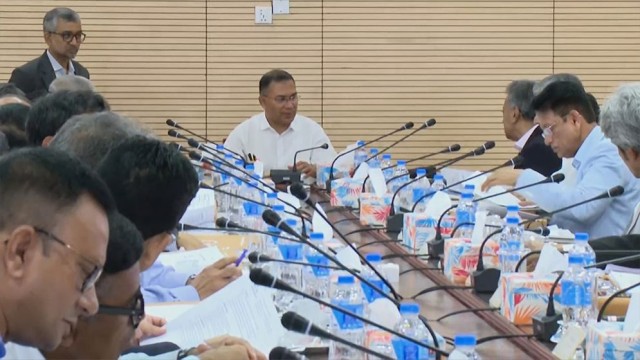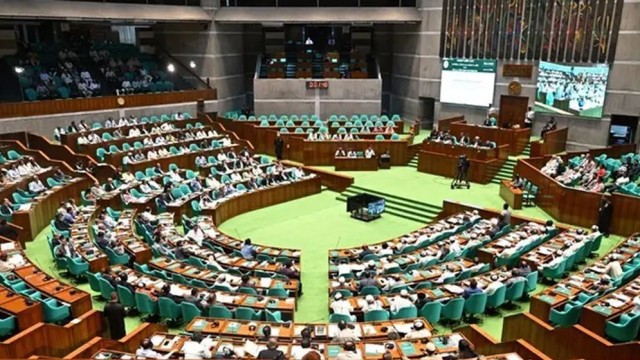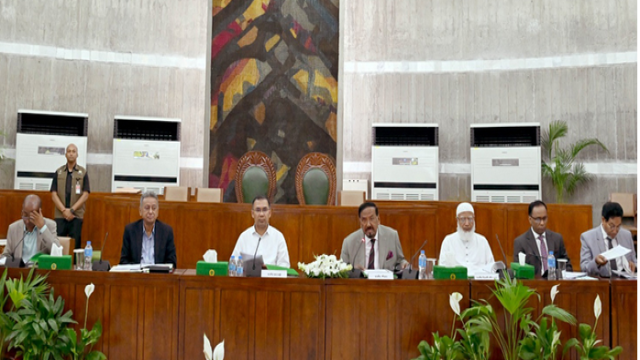
SANGSAD BHABAN, April 29 (V7N) — The Parliament Secretariat Commission has formally approved a budget of Tk 290.60 crore for the Bangladesh Parliament Secretariat to cover the upcoming 2026-2027 fiscal year. The decision was reached during the commission’s 37th meeting, held on Wednesday at the Jatiya Sangsad Bhaban. The session was chaired by the Speaker of the House, Hafiz Uddin Ahmad, Bir Bikram, who oversaw the financial planning for the legislature's administrative arm.
The approved allocation is strategically divided into two primary categories to ensure the smooth functioning of the country's legislative body. Out of the total amount, Tk 289.90 crore has been earmarked for operational expenditures. This portion of the budget is critical for the day-to-day management of the Parliament, including the salaries of staff, maintenance of the historic Sangsad Bhaban, and the logistical costs associated with parliamentary sessions.
In addition to operational costs, the commission allocated Tk 70 lakh for development expenditure. While a smaller fraction of the total, this fund is dedicated to the modernization of parliamentary infrastructure and the implementation of new projects aimed at increasing the efficiency of the Secretariat. This forward-looking investment highlights the government's commitment to upgrading the technological and physical assets of the Jatiya Sangsad.
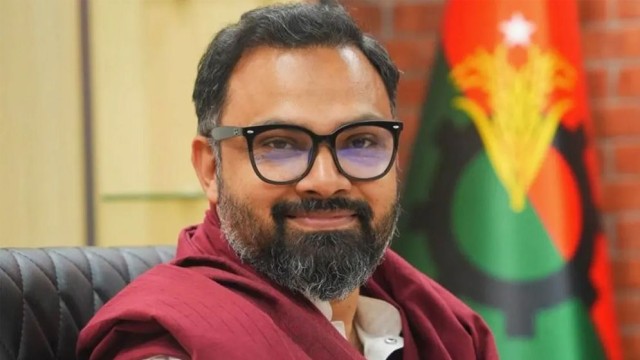
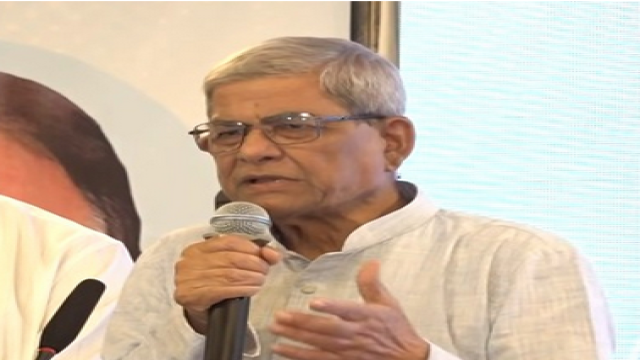
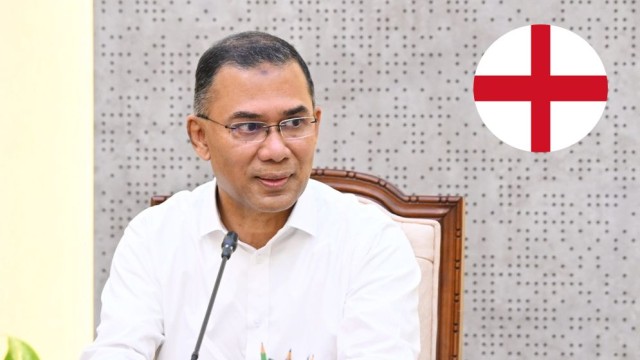
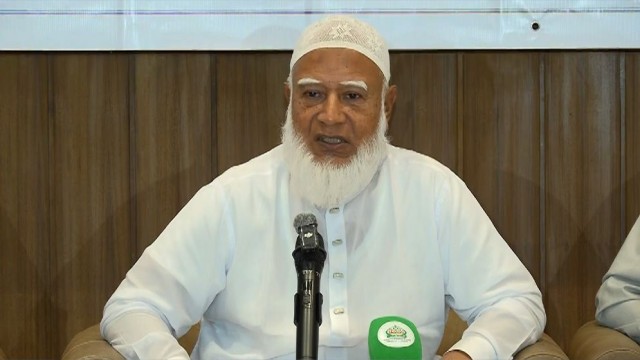
The high-profile meeting saw the attendance of the nation’s top political leadership, reflecting the importance of the commission's work. Prime Minister and Leader of the House Tarique Rahman was present, alongside the Leader of the Opposition, Dr. Shafiqur Rahman. Their joint participation underscores a unified approach to ensuring that the administrative backbone of the democracy remains well-funded and operational regardless of political affiliations.
Key members of the cabinet also played a vital role in the deliberations. Finance Minister Amir Khosru Mahmud Chowdhury and Law, Justice and Parliamentary Affairs Minister Md. Asaduzzaman provided their expertise on the fiscal and legal implications of the proposed budget. Their presence ensured that the Secretariat’s funding remains in alignment with the broader national economic strategy and the legal framework of the state.
The commission also included Deputy Speaker Barrister Kayser Kamal, while Chief Whip Nurul Islam attended the session by special invitation. This assembly of legislative veterans allowed for a comprehensive review of the Parliament’s needs. The inclusion of the Chief Whip was particularly significant, as his role involves direct coordination of parliamentary business, making his input on operational requirements invaluable.
Beyond the future budget, the meeting served as a forum to approve the revised budget for the current 2025-2026 fiscal year. Initially, a total of Tk 226.69 crore had been approved for this period. The revised figures break down into Tk 226.49 crore for operational expenses and a modest Tk 20 lakh for development. This review process allows the commission to adjust funding based on the actual spending and needs encountered mid-year.
A comparison between the current revised budget and the new allocation for FY 2026-27 reveals a significant increase in funding. The jump from Tk 226.69 crore to Tk 290.60 crore represents an expansion of approximately Tk 63.91 crore. This increase is likely driven by the rising costs of administrative services, the introduction of new digital governance initiatives, and the requirements of the 13th Parliament’s inaugural sessions.
Administrative formalities were also a key part of the proceedings. At the start of the session, the commission confirmed the minutes of the 36th Commission meeting. This step ensures continuity in governance and allows the members to verify that previous directives have been accurately recorded and followed. It serves as a check-and-balance mechanism for the Parliament’s internal management.
The commission then transitioned into an evaluative phase, reviewing the implementation progress of decisions made in previous meetings. This accountability measure ensures that approved funds are being utilized effectively and that projects are moving toward completion. It prevents the stagnation of administrative reforms and keeps the Secretariat’s staff focused on performance targets.
A significant portion of the discussion was dedicated to the progress of ongoing projects under the Parliament Secretariat. These projects often include the digitization of parliamentary records, the enhancement of security systems at the Sangsad Bhaban, and the improvement of broadcasting facilities for parliamentary proceedings. Monitoring these developments is essential for maintaining the Parliament’s status as a modern, transparent institution.
The formal agenda of the day was presented by Barrister Md. Golam Sarwar Bhuiyan, the Secretary of the Jatiya Sangsad Secretariat. As the top administrative officer of the Parliament, his role was to provide the technical data and justifications for the budget requests. His presentation allowed the commission members to make informed decisions based on the actual requirements of the various departments within the Secretariat.
The meeting concluded with the participation of senior officials from the Parliament Secretariat and representatives from relevant ministries. This collaborative environment ensures that the legislative budget is integrated with the wider government machinery. With the approval of this Tk 290.60 crore allocation, the Bangladesh Parliament is positioned to maintain its high standards of service and administrative excellence throughout the coming fiscal year.
END/AJ/RH/