Washington, Jun 10 (V7N) – Global oil prices could remain elevated through July as shipping through the strategically important Strait of Hormuz continues to face significant disruptions, according to a new forecast by the U.S. Energy Information Administration (EIA).
The British media outlet CNN reported on Wednesday (June 10) that the EIA expects the average price of Brent crude oil to reach around $105 per barrel in June and July. Brent crude is currently trading at approximately $91 per barrel, significantly higher than the pre-conflict level of about $70.
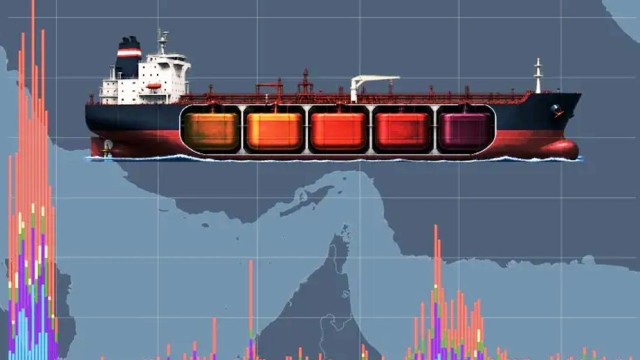
In its latest report, the EIA said the forecast is based on expectations that oil transportation through the Strait of Hormuz will remain restricted in the coming weeks, leading to lower global oil production and declining inventories. The agency warned that such conditions could place additional pressure on international energy markets.
Meanwhile, U.S. investment banking giant JPMorgan Chase has issued a similar outlook. According to the firm's projections, even if the Strait of Hormuz reopens later this month, the average price of Brent crude between July and September could remain around $104 per barrel.
The EIA also forecast a slight increase in gasoline prices. The agency expects average gasoline prices to reach $3.90 per gallon in 2026 and $3.64 per gallon in 2027, compared to its previous estimates of $3.88 and $3.62, respectively.
The forecast contrasts with recent comments by Donald Trump, who suggested that oil prices would decline rapidly if a new agreement were reached with Iran.
However, the EIA noted that fuel prices could have risen even further if not for a modest slowdown in global demand. According to the report, high prices, supply concerns and changing consumption patterns in several regions have contributed to reduced demand, helping to ease some upward pressure on the market.
The agency also projected a slight increase in U.S. oil production. Daily output, currently estimated at 13.6 million barrels, could rise to 13.7 million barrels in the coming period.
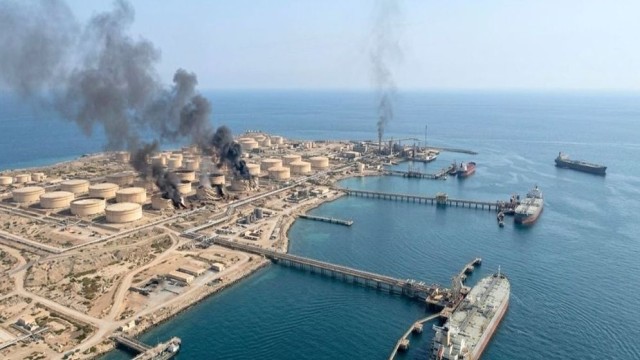
Analysts continue to monitor developments in the Middle East closely, as any further disruption to shipping routes or energy infrastructure could have a significant impact on global oil and fuel markets.
END/SMA/AJ