Dhaka, Jun 09 (V7N) – Rising pressure from underdevelopment and operational costs is increasingly shaping Bangladesh’s fiscal planning, with officials acknowledging that annual budget expansions are not always translating into effective development outcomes.
Despite the steady increase in the size of the national budget each year, concerns remain over stalled implementation, delayed projects, and underutilized allocations across multiple sectors. As a result, questions continue to be raised about the qualitative impact of development spending.
Policy planners say that with BNP set to assume responsibility for government formation after nearly two decades, new approaches to development planning are being considered ahead of the next national budget.
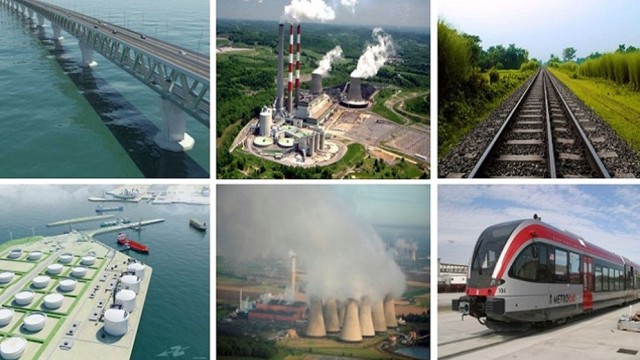
According to officials, a new strategy is being prepared focusing on completing 314 ongoing projects by June, with accelerated fund disbursement to ensure timely execution. Additionally, around 80 projects are expected to be implemented under public-private partnership (PPP) arrangements to reduce pressure on public finances.
Greater emphasis is also being placed on climate change-related initiatives and the use of a Digital Project Processing System (PPS) to improve monitoring and transparency in project implementation.
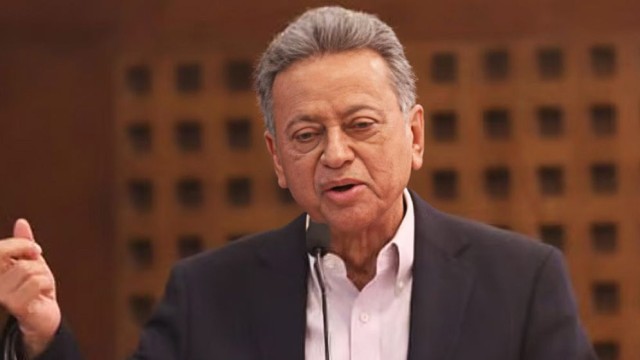
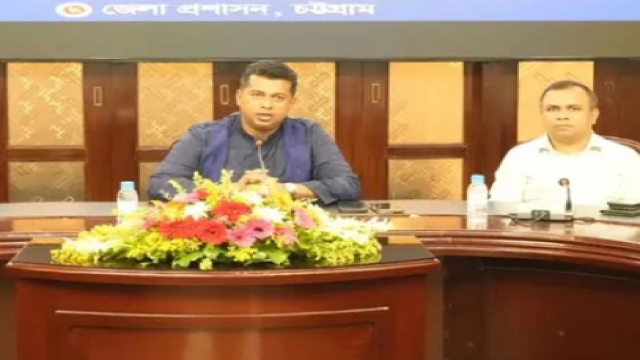
Dr. Manjur Hossain, member of the General Economics Division of the Planning Commission, said efforts are underway to streamline project management across ministries.
“Different ministries run different types of projects, and bringing them under a unified framework will allow better monitoring and results-based evaluation,” he said.
He added that the government has issued strict directives to avoid launching high-cost projects unless absolutely necessary, with a focus on ensuring value for money and higher returns on investment.
Officials also indicated changes in the philosophy of the Annual Development Programme (ADP), emphasizing that funds must be spent strictly within approved project scopes. Ministries and agencies have been instructed to comply with the Public Money and Budget Management Act.
Authorities are also pushing for stronger alignment of foreign-funded projects with matching domestic resources, while ensuring that no major project is approved without prior feasibility studies.
Taufiqul Islam Khan, Additional Research Director at the Centre for Policy Dialogue (CPD), said scrutiny of politically influenced projects will be a key challenge in the reform process.
He noted that many previously implemented projects were tied to specific parliamentary constituencies, and excluding them may raise political sensitivity.
“They will need to ensure transparency, possibly by publishing project-wise details and making the process publicly accountable,” he said.
Meanwhile, the National Economic Council (NEC) recently finalized the Annual Development Programme worth Tk 3 lakh crore, which is expected to receive final approval in the upcoming national budget session.
END/SMA/AJ