Dhaka, Jun 05 (V7N) – A successful kidney transplant has recently been completed at Dhaka Medical College Hospital, marking another important step forward for organ transplantation services in Bangladesh.
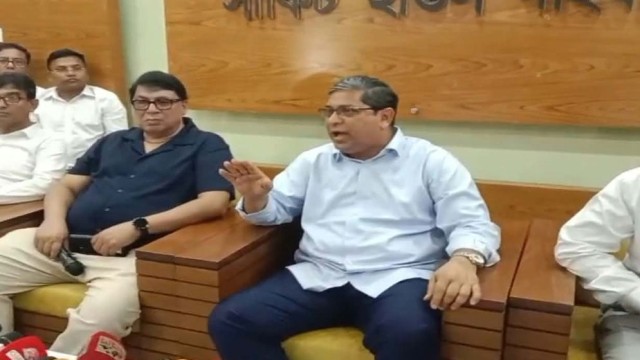
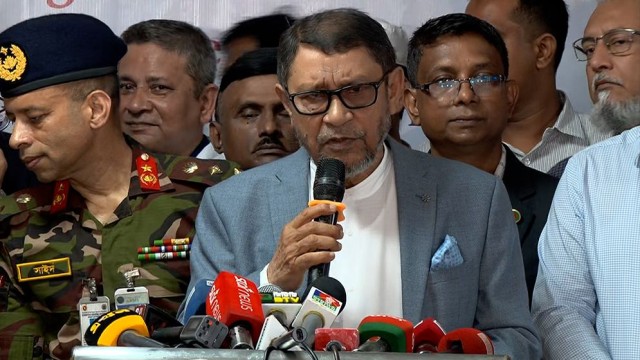
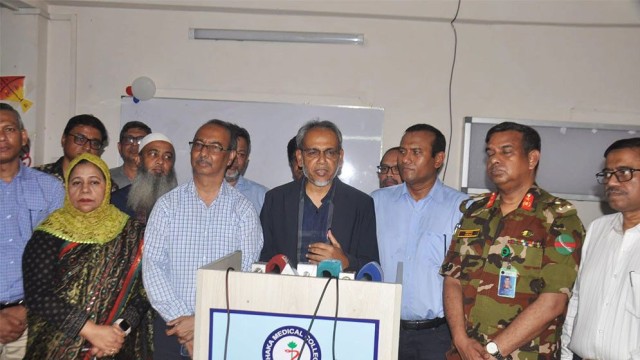
On the occasion, BNP Health Secretary and prominent urologist Professor Dr. Md. Rafiqul Islam visited the hospital and met with senior officials, including the hospital director, principal, vice-principal, department heads, doctors, nurses and other staff members.
Speaking to journalists during the visit, Dr. Rafiqul Islam emphasized the importance of cadaveric transplantation, a process in which organs are collected from a medically brain-dead donor and transplanted into patients in need.
He explained that vital organs such as the heart, liver, kidneys, lungs and corneas can be transplanted through this method, noting that several of these organs cannot be donated by living individuals.
Dr. Rafiqul Islam pointed out that although cadaveric organ transplantation is legally permitted in Bangladesh, its practical implementation remains limited. He recalled that in 2023, the country's first cadaveric kidney transplant was successfully conducted at Bangladesh Medical University, where two kidneys from a brain-dead donor were transplanted into two separate patients.
However, he noted that the procedure has yet to become a regular or fully established program nationwide.
According to the urologist, several factors have slowed the development of cadaveric transplantation in Bangladesh, including social and religious misconceptions, lack of public awareness, inadequate hospital infrastructure, legal and administrative challenges, and the absence of a coordinated national system.
Despite these obstacles, Dr. Rafiqul Islam expressed optimism about the potential impact of the Human Organ and Tissue Transplantation Ordinance, 2025. He said the new legal framework aims to remove barriers to organ donation while maintaining strict ethical safeguards.
He also highlighted the potential benefits of introducing an “Emotional Donor” system and a “National Swap Registry,” saying such initiatives could save thousands of lives annually.
Dr. Rafiqul Islam added that if the new legal measures are effectively implemented and successful transplant procedures continue, Bangladesh's organ transplantation program could eventually reach international standards, opening new treatment opportunities for patients suffering from end-stage organ failure.
END/SMA/AJ