COPENHAGEN, May 8, (V7N) — The World Health Organization (WHO) announced on Friday that it has verified more than 3,000 targeted attacks on Ukraine’s healthcare infrastructure since the onset of Russia’s full-scale invasion in February 2022. This staggering milestone highlights the systematic destruction of medical services over 1,534 days of conflict, prompting a stern rebuke from international health officials who insist that such violence must not become a normalized aspect of modern warfare.
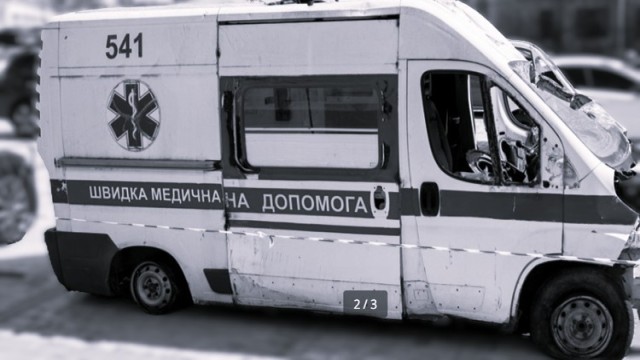
According to a statement released by the WHO’s European branch, the vast majority of these incidents—approximately 80 percent—involved direct strikes on hospitals, outpatient clinics, and various specialized care settings. The remaining 20 percent of recorded attacks targeted mobile medical assets, including ambulances and other health-related transport vehicles. These figures represent a direct blow to the country's ability to manage both routine medical needs and the surge of trauma cases resulting from active hostilities.
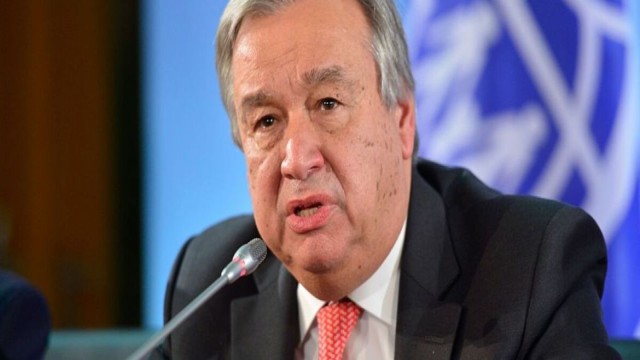
Hans Kluge, the Director of WHO Europe, emphasized that every verified attack constitutes a grave violation of international humanitarian law. He reminded all parties involved that the protection of healthcare during wartime is a binding legal obligation rather than a mere recommendation. Kluge noted that the persistent degradation of medical infrastructure is severely hampering the capacity of healthcare professionals to deliver life-saving services at a time when the United Nations estimates that nearly 12.7 million Ukrainians are in desperate need of humanitarian assistance.
The conflict, which stands as the deadliest in Europe since the end of the second World War, has seen diplomatic efforts stall in recent months as global attention shifted toward the escalating crisis in the Middle East. Despite the gridlock, there are renewed attempts to bring parties back to the negotiating table. On Thursday, Ukraine’s top negotiator, Rustem Umerov, traveled to Florida to meet with United States officials in a high-stakes effort to break the diplomatic deadlock and revive stalled peace talks.
The WHO’s report serves as a grim reminder that beyond the front lines, the war continues to dismantle the essential safety nets of civilian life. The organization warned that the long-term impact on public health, including the disruption of chronic disease management and vaccination programs, will likely be felt for generations if the targeting of medical facilities is not halted immediately.
END/WD/RH/