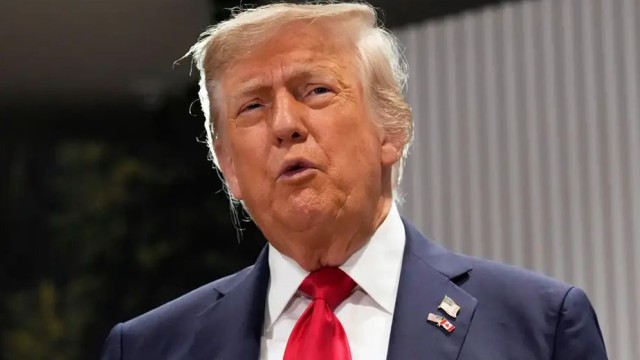
DOVER AIR FORCE BASE, UNITED STATES, March 19, (V7N) — US President Donald Trump on Wednesday issued a stark warning to Iran, threatening to destroy the country’s critical South Pars gas field if further attacks are launched against Qatar’s key energy infrastructure, amid escalating tensions in the Middle East conflict.
The warning came as Trump attended a solemn “dignified transfer” ceremony at Dover Air Force Base, honoring six US service members killed when a KC-135 refueling aircraft crashed in western Iraq. The incident has pushed the total number of American fatalities in the ongoing joint US-Israeli military campaign against Iran to at least 13.
Trump, dressed in a black overcoat, saluted as flag-draped coffins were carried off a military transport plane. The ceremony, closed to media at the request of the families, was also attended by Defense Secretary Pete Hegseth and senior military official Dan Caine. The president did not address reporters during the event.
“Their courage will never be forgotten,” the White House said in a statement following the ceremony.
In a separate and strongly worded post on Truth Social, Trump confirmed that Israel had struck Iran’s South Pars gas field but claimed the United States had no prior knowledge of the operation. He warned Tehran against further aggression targeting Qatar.
“NO MORE ATTACKS WILL BE MADE… unless Iran unwisely decides to attack… Qatar,” Trump stated, adding that in such a scenario, “the United States… will massively blow up the entirety of the South Pars Gas Field at an amount of strength and power that Iran has never seen or witnessed before.”
The threat followed Iran’s retaliatory strike on Qatar’s Ras Laffan industrial facility, a key hub for global liquefied natural gas exports, after the reported Israeli attack on South Pars.
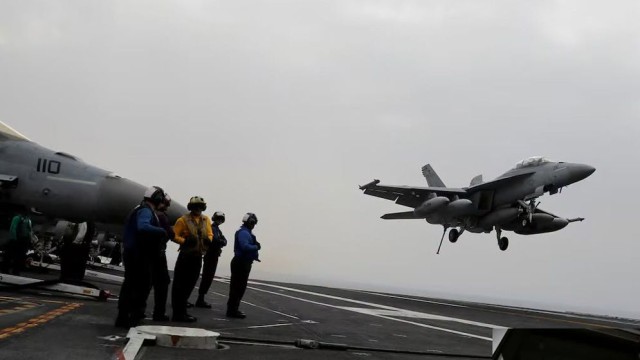
The conflict, which has rapidly intensified in recent weeks, has already seen missile and drone exchanges across the Gulf region. Iran has also effectively blocked the Strait of Hormuz, a critical artery for global oil shipments, triggering sharp increases in international energy prices.
This marked Trump’s second visit to Dover since the start of the war. Earlier this month, he attended the return of six troops killed in a drone strike on a US command center in Kuwait. That visit drew criticism, including from members of his own party, over his attire, though the White House dismissed the backlash as “partisan politics.”
The ongoing US-Israeli campaign against Iran shows no signs of de-escalation, with conflicting signals from Washington regarding its long-term objectives and duration. Analysts warn that further escalation, particularly involving strategic energy infrastructure, could have severe global economic and security consequences.
As tensions continue to rise, the situation remains volatile, with the risk of broader regional conflict looming large.
END/WD/RH