ISLAMABAD, PAKISTAN, March 19, (V7N)— Pakistan and Afghanistan have agreed to a temporary halt in hostilities during the upcoming Eid al-Fitr celebrations, following one of the deadliest incidents in their escalating conflict that left hundreds dead in Kabul earlier this week.
In separate statements, officials in Islamabad and Kabul confirmed the pause in fighting, saying it was requested by regional mediators including Saudi Arabia, Qatar, and Turkey. Both sides agreed to suspend military operations from Thursday through Monday.
Pakistan’s Information Minister Attaullah Tarar said the ceasefire was undertaken “in good faith and in keeping with Islamic norms,” but warned that any violation would prompt an immediate and forceful response.
“In case of any cross-border attack, drone attack or any terrorist incident inside Pakistan, operations shall immediately resume with renewed intensity,” Tarar stated.
The agreement follows a devastating airstrike on Monday night, when Pakistani jets hit a drug rehabilitation centre in Kabul. Taliban authorities reported that around 400 people were killed and more than 200 injured, though independent verification remains difficult.
At a mass funeral in Kabul on Wednesday, Afghan officials buried dozens of victims in a hillside graveyard. Volunteers from the Afghan Red Crescent transported coffins from ambulances as grieving families gathered.
Interior Minister Sirajuddin Haqqani condemned the victims as innocent civilians targeted by “criminals” and vowed accountability.
“We will undoubtedly seek accountability for them,” Haqqani said, adding, “We are not weak and helpless. You will see the consequences of your crimes.”
However, he also signaled openness to dialogue, stating, “We do not want war… we are trying to solve the problems through diplomacy.”
Taliban spokesman Zabihullah Mujahid reiterated that defending Afghanistan remains “a national and religious obligation,” warning that any aggression would be met with retaliation.
Eyewitness accounts and humanitarian workers described the aftermath of the strike as catastrophic. Jacopo Caridi said the scale of destruction made identification of victims extremely challenging.
“I saw a finger in one place, a foot in another… it was really horrific,” Caridi said, describing the scene as “shocking.”
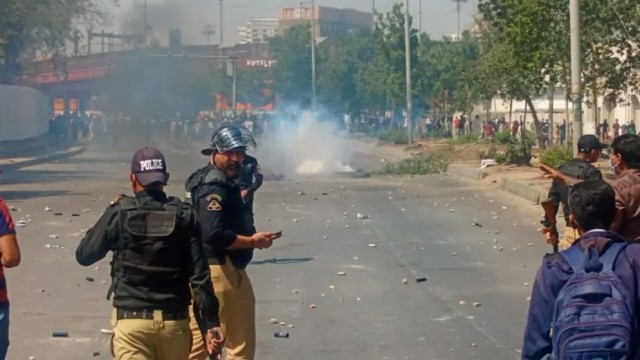
The conflict, which has intensified since late February, has already displaced more than 115,000 people and killed dozens of civilians even before the latest strike, according to the United Nations.
Despite mounting international concern, mediation efforts have struggled to gain traction. While Gulf nations initially led diplomatic initiatives, their focus has shifted due to the broader regional crisis linked to the US-Israeli conflict with Iran.
China has dispatched a special envoy and pledged a “constructive role” in easing tensions, while Russia has also expressed willingness to mediate if both parties request assistance.
For now, the Eid ceasefire offers a fragile respite in a rapidly deteriorating situation, with both sides warning that any breach could reignite hostilities and deepen the humanitarian crisis.
END/WD/RH