Washington, Jan 04 (V7N)- The reported capture of Venezuelan President Nicolas Maduro and his wife by US forces during a midnight raid has raised serious questions about the real motives behind the operation, as the United States claims the action was linked to allegations of drug trafficking.
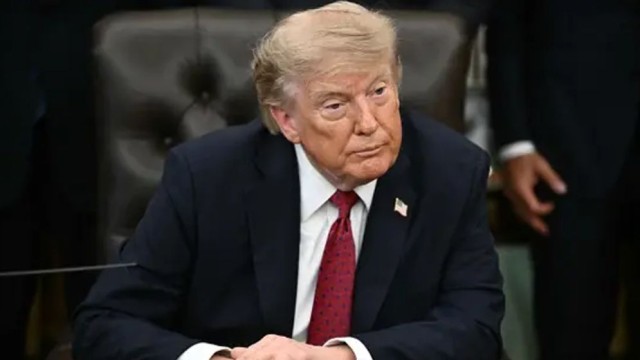
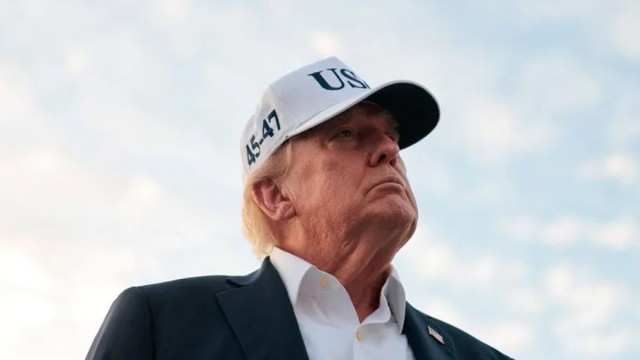
US President Donald Trump has asserted that Maduro was involved with international drug cartels, presenting this as the justification for the arrest of the leader of a sovereign nation in a covert nighttime operation. Trump has also ordered a series of extrajudicial military actions in the Caribbean Sea, accusing the Venezuelan leadership of facilitating drug flows into the United States.
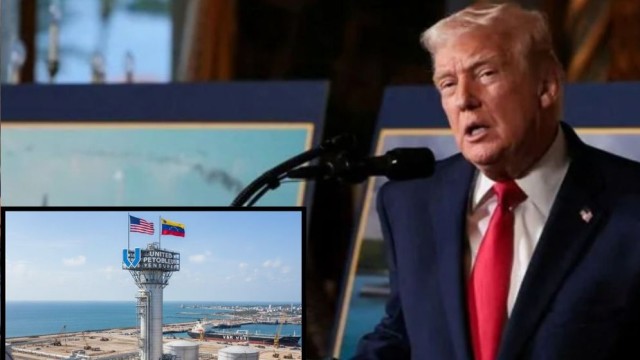
US forces reportedly detained President Maduro at midnight local time on Saturday (January 3). Shortly afterward, President Trump stated that the United States would become “very actively” involved in Venezuela’s oil industry, a remark that has drawn intense scrutiny from international analysts.
“We have the best, largest and most extraordinary oil company in the world. We will be very actively involved in the Venezuelan oil industry,” Trump said in a public statement.
Political analysts argue that this declaration strongly suggests that Venezuela’s vast oil reserves may be a central factor behind the operation. They point out that while allegations of drug trafficking have long been used in US rhetoric against the Maduro government, economic and strategic interests—particularly energy resources—cannot be ignored.
Observers note that the portrayal of Maduro varies sharply depending on political narrative—ranging from a drug trafficker to a dictator, or even a symbol of resistance—and that these characterizations often align with broader geopolitical objectives.
As the situation continues to unfold, the international community remains divided over whether the US action represents a legitimate security operation or a dangerous precedent of unilateral intervention, raising fresh concerns about sovereignty, international law, and power politics in Latin America.
END/SMA/AJ