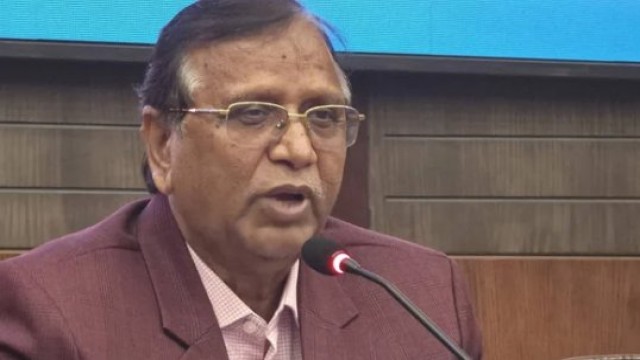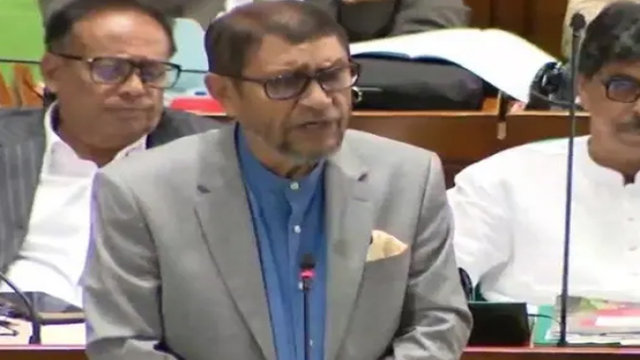
SANGSAD BHABAN, June 28, (v7n): Health and Family Welfare Minister Sardar Md. Sakhawat Husain today declared that protecting the lives and health of the nation's 180 million citizens is the government's absolute highest priority, stressing that any negligence, irresponsibility, or dereliction of duty in the healthcare sector will face zero tolerance.
Participating in the parliamentary general discussion on the proposed national budget for the fiscal year 2026-27, the Health Minister revealed that the government has suspended the operational license of Ad-din Hospital. The decisive action follows a probe that uncovered gross administrative negligence and human error directly linked to the tragic deaths of six newborn infants.
Expressing his deep condolences to the grieving families, Minister Sakhawat Husain emphasized that the state's role goes far beyond offering sympathy. "Bangladesh comes first. The lives, health, and dignity of our 180 million people come first," he stated during the session, which was presided over by Speaker Hafiz Uddin Ahmad, Bir Bikram.
The Minister detailed the horrific findings from the investigation, stating that the tragedy at Ad-din Hospital was entirely preventable and resulted from severe operational failures. When the air-conditioning system malfunctioned in the sealed, windowless neonatal unit, the hospital authorities failed to take immediate corrective measures. The lack of proper oxygen circulation led to a rapid accumulation of carbon dioxide, inducing fatal hypercapnia (carbon dioxide toxicity) in the vulnerable newborns.
Compounding the tragedy, despite desperate pleas for assistance from 16 to 17 mothers during the systemic failure, no duty doctors responded promptly. The Minister noted that during his personal inspection of the facility, the hospital's own physicians admitted that the infant fatalities were the direct result of oxygen deprivation caused by institutional negligence.
He strongly dismissed attempts to compare this event to past disasters at United Hospital or the National Institute of Burn and Plastic Surgery, clarifying that those were unpredictable electrical fires, whereas the Ad-din incident was purely a product of human irresponsibility. Furthermore, the inspection uncovered a bakery operating inside the hospital compound surrounded by accumulated plastic waste, creating an extreme, illegal fire hazard.
The Minister also alleged that the hospital's owner failed to visit the site post-tragedy, choosing instead to replace the administrative head by appointing his own wife as the chief executive. He added that the promised financial compensation to the bereaved families has not been fully honored.
"We did not ask for anyone's head. We only suspended the license while the investigation continues," Sakhawat stated, cautioning against turning the human tragedy into a political issue.
Turning his focus to the national budget for FY 2026-27, the Health Minister described it as a landmark, public-welfare-driven layout aimed at making healthcare affordable and accessible.
Key Health Sector Layouts in the FY2026-27 Budget
The proposed national budget introduces critical structural reforms designed to reduce out-of-pocket medical expenses and strengthen the rural health grid:
| Initiative / Reform Program | Core Strategic Objective |
| Nationwide Health Card Scheme | Widen universal healthcare coverage and streamline patient data access across the country. |
| Mega Recruitment Drive | Appoint 100,000 new health workers to simultaneously boost service delivery and create massive public sector employment. |
| API Duty Reductions | Lower customs duties on pharmaceutical raw materials, specifically Active Pharmaceutical Ingredients (APIs), to lower local medicine costs. |
| Specialized Medical Tax Cuts | Slash taxes on high-cost essential treatments, including cancer therapy and kidney dialysis equipment, to relieve family financial burdens. |
A Qualitative Framework: The Health Minister emphasized that the budget goes beyond mere figures, functioning as a qualitative instrument to directly improve public standard of living, stabilize social security, and promote environmental health through the new "One Child, One Tree" national planting initiative.
Concluding his speech, Minister Sakhawat Husain called upon lawmakers across all political benches to rise above partisan divisions and cooperate fully to build a safe, disciplined, and accountable healthcare ecosystem for the citizens of Bangladesh.
end/aj/rh/