Sylhet, Aug 18 (V7N) — The Sylhet Development Authority (SDA) has formally begun regulatory activities across Sylhet metropolitan area and adjoining zones, making prior approval from the authority mandatory for building construction, expansion, alteration and other major development activities.
The move is aimed at promoting planned urban growth, enforcing development regulations and protecting the city's environment and natural water bodies.
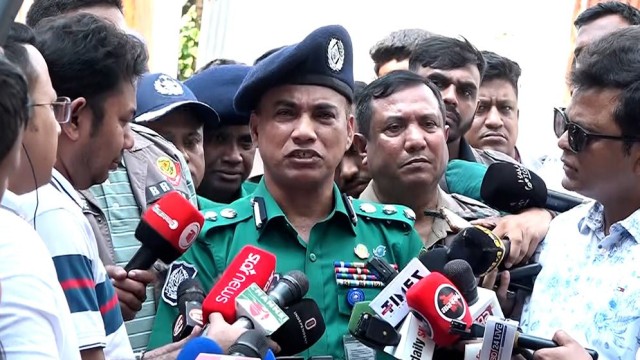
In a public notice signed by SDA Chairman Rezaul Hasan Koyes Ludi, the authority said no building or development work within its jurisdiction would be permitted without the required clearance and approval from the SDA.
Under the new arrangement, applications for land-use clearance, approval of building designs and permission for excavation or re-excavation of water bodies must be submitted to the SDA office at 29/A Fortune Garden, Bongobir Road, Nayaorpul, Sylhet.
The authority has instructed applicants to comply with the Building Construction Act 1952, the Building Construction Rules 1996 and the Bangladesh National Building Code (BNBC) 2020. Land surveys, soil tests and architectural and structural designs must be prepared through architects, engineers or designers enlisted with the SDA before applications are submitted.
All real estate development companies operating within the authority's jurisdiction will also be required to obtain registration with the SDA in accordance with Section 5 of the Real Estate Development and Management Act 2010.
The notice further emphasised that construction must strictly follow the approved design. Unauthorised occupation of land, filling of water bodies and activities that could cause environmental damage have also been prohibited.
Focus on building safety
The new approval regime assumes particular importance in Sylhet because of the city's exposure to earthquake hazards. Under BNBC 2020, the country's northeastern region falls within the highest seismic hazard category, making proper structural design, soil investigation and construction supervision particularly important.
A 2025 study on earthquake vulnerability in Sylhet City assessed 60 reinforced-concrete buildings in Ward 21 and found that 78.33 per cent were vulnerable to earthquakes, while 66.67 per cent were classified as highly susceptible under the study's assessment methodology. The researchers also identified plan and vertical irregularities and soft-storey conditions among important vulnerability factors.
Urban planning and building-safety experts have repeatedly stressed that building codes are not merely administrative requirements. They are intended to ensure structural safety, proper use of construction materials, professional accountability and protection against hazards such as earthquakes and fires. Urban planning expert M Abu Sadeque, who was involved in the formulation of the revised BNBC, has previously described the code as a comprehensive framework for safer construction and environmental protection.
The importance of enforcing the code has also been underscored by the government. In Parliament, Housing and Public Works Minister Zakaria Taher said building design approval and construction supervision under BNBC 2020 are being carried out through the relevant authorities, while structural designs are subject to scrutiny to improve earthquake resilience. He also said the licensing of professionals involved in building design and supervision would help ensure safer construction.
BNBC 2020 also provides for inspection of buildings for which permits are required and allows authorities to declare buildings unsafe where they pose a threat to public safety or property.
Why the new system matters for Sylhet
Urban planners and engineers say effective development control can help prevent construction on unsuitable land, reduce structural risks and discourage unauthorised changes to approved designs. A building permit, however, can only improve safety when approval is followed by proper inspection and construction supervision.
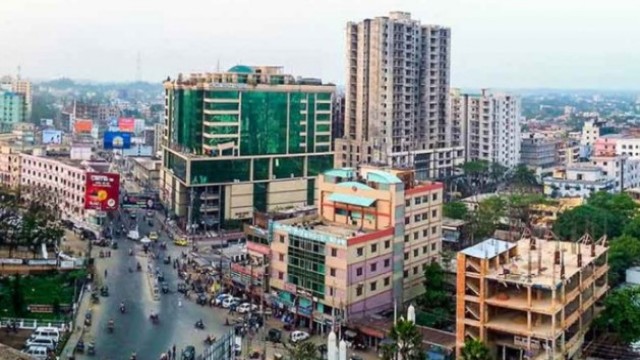
For Sylhet, the issue is particularly significant because rapid urban expansion, pressure on land and the city's seismic exposure create a need for stronger enforcement of planning and structural standards. Recent research on Sylhet has highlighted the vulnerability of a significant proportion of existing buildings, reinforcing the importance of risk-sensitive urban planning and compliance with modern building standards.
The SDA notice states that once the Sylhet Development Authority Act 2023 becomes applicable, approvals obtained from other authorities without the SDA's required permission will be treated as invalid and unauthorised under Section 54 of the Act.
The authority has warned that legal action will be taken against any construction or development activity carried out in violation of the applicable laws and regulations.
Residents, landowners, developers and other stakeholders have been urged to contact the SDA before undertaking any building construction, land-use change or related development activity and to obtain the necessary guidance and approvals.
The Sylhet Development Authority Act 2023 was passed by Parliament in October 2023, while Rezaul Hasan Koyes Ludi was appointed chairman of the authority in June 2026.
END/AKR/SMA/