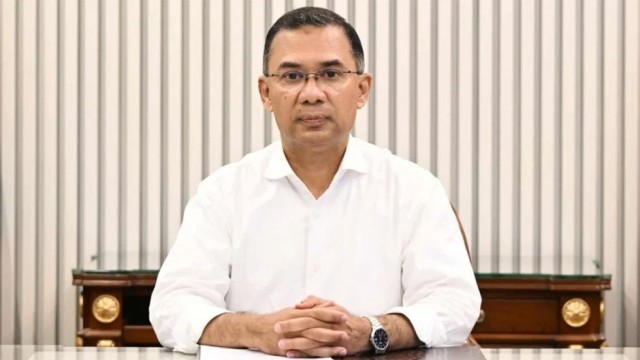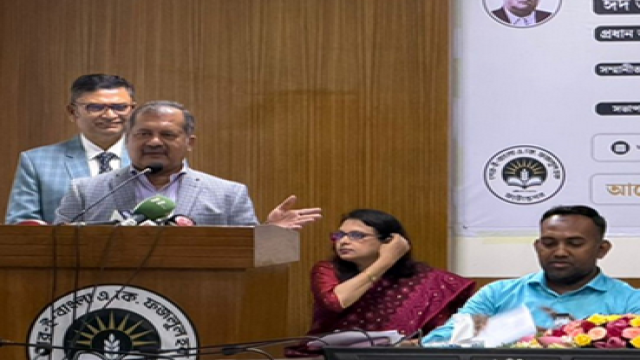
DHAKA, MAY 24 (V7N) - Information and Broadcasting Minister Zahir Uddin Swapon stated that Sher-e-Bangla AK Fazlul Huq was not merely a politician, but a visionary pioneer who drove the education, rights, and social emancipation of Bengali Muslims. Speaking on Saturday as the chief guest at an event organized by the Sher-e-Bangla AK Fazlul Huq Foundation, the minister highlighted how Fazlul Huq's targeted agrarian reforms permanently broke the cycle of exploitation and debt imposed on regional farmers by the zamindar (landlord) class.
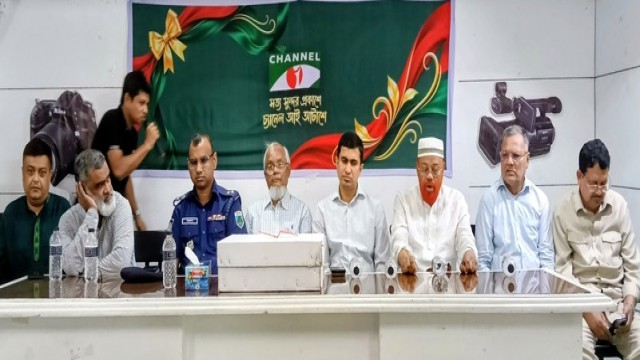
The function, held at the International Mother Language Institute conference room in Segunbagicha, was organized to distribute financial assistance as Eid gifts to underprivileged children ahead of the upcoming Eid-ul-Azha holiday.
Personal Inspiration and Historical Legacy
During his address, Minister Swapon shared a personal connection to the historical leader, detailing how his own family's history shaped his entry into public service:
Family Ties: The minister revealed that his grandfather served as the General Secretary of the North Barishal Krishak Praja Party and was a dedicated disciple of Sher-e-Bangla. Hearing stories of Huq's courage and social reforms during childhood inspired Swapon to become a political activist.
Educational Spread: Following his election as the first Prime Minister of United Bengal in 1937, Sher-e-Bangla prioritized establishing educational institutions, which laid the foundation for a rising Bengali Muslim middle class.
The Debt Arbitration Board: This historic initiative systematically dismantled the predatory credit networks targeting the rural poor, effectively paving the final path for the formal abolition of the zamindari system.
"Even though his primary political agenda—the abolition of zamindari and the emancipation of ordinary citizens—succeeded decades ago, Sher-e-Bangla's legacy will remain relevant forever. He was a monumental social reformer." — Zahir Uddin Swapon, Information & Broadcasting Minister
Philanthropic Distributions
The minister concluded by calling on the foundation to invest in long-term research and educational outreach to ensure future generations understand Sher-e-Bangla's contributions to modern Bangladesh.
The event was presided over by the foundation's president, Engineer Md. Abu Hanif, with specialized remarks from chief adviser and former Information Secretary Syed Margub Morshed. Following the discussions, the committee distributed financial aid packages to underprivileged children representing 20 orphanages and madrasas located across Dhaka and various rural districts.
END/AJ/RH/