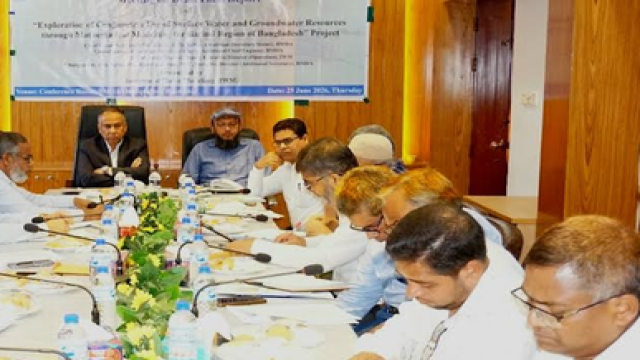
June 29 (v7n) - Agricultural and environmental experts have emphasized the urgent need to use advanced mathematical modeling to plan for sustainable water management in Bangladesh's drought-prone Barind region. To address this issue, the Institute of Water Modeling (IWM) organized a high-level review meeting to discuss the draft final report of a specialized research project. The session, which focused on balancing the integrated use of surface water and groundwater resources, was hosted at the Barind Multipurpose Development Authority (BMDA) headquarters in Rajshahi.
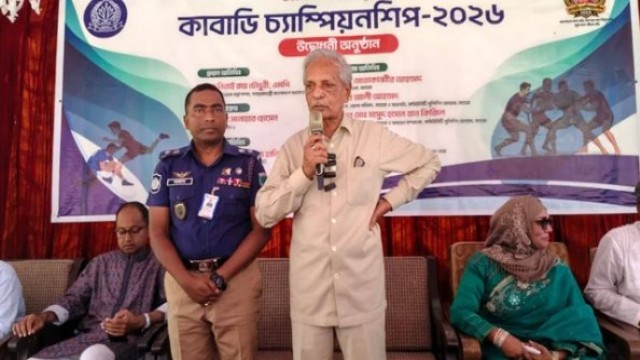
The event featured Agriculturist Hasan Jafir Tuhin, the Chairman of the BMDA, as the chief guest. During his address, Tuhin highlighted that adopting sustainable water management strategies is no longer optional if the Barind region is to survive the escalating impacts of global climate change. He noted that traditional water usage patterns must be re-evaluated to protect local communities from severe climate disruptions.
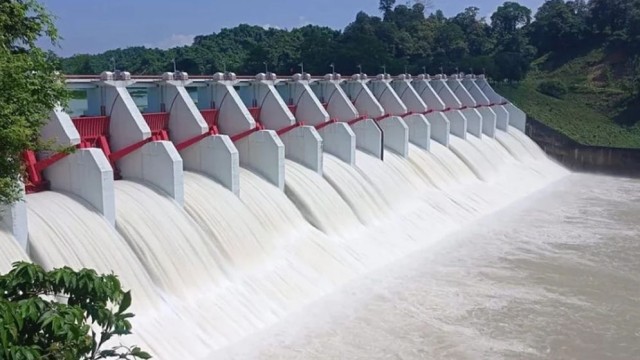
To successfully safeguard regional agricultural production, national food security, and the local ecological balance, the BMDA Chairman argued that the region must aggressively reduce its heavy reliance on depleting groundwater. Instead, local authorities must pivot toward maximizing the collection and utilization of available surface water. Tuhin noted that future water resource management will rely entirely on blueprints created through rigorous scientific research, modern technology, and predictive modeling.
The review meeting was officially presided over by Abu Sayed Kamruzzaman, the Executive Director of the BMDA. The session brought together a large group of senior technical experts, including Dr. Md. Abul Kasem, the Additional Chief Engineer of BMDA, and Sohel Masud, the Deputy Executive Director of Operations at the IWM. They were joined by a network of superintending and executive engineers representing various administrative circles across the Rajshahi division.
A major highlight of the gathering was the formal presentation of the project's draft final report, which mapped out the current state of water availability across the Barind landscape. The document detailed the realistic potential for combining surface and underground water systems, projected the region's future liquid resource demands, and outlined a series of practical recommendations for long-term sustainability.
The meeting concluded with an interactive feedback session where the attending engineers, senior officials, and environmental experts openly shared their professional opinions. The participants provided specific suggestions and technical critiques on different aspects of the draft text. This collaborative input will be used to refine the final report, ensuring it serves as an effective guide for regional water distribution and conservation efforts.
end/rar/rh/