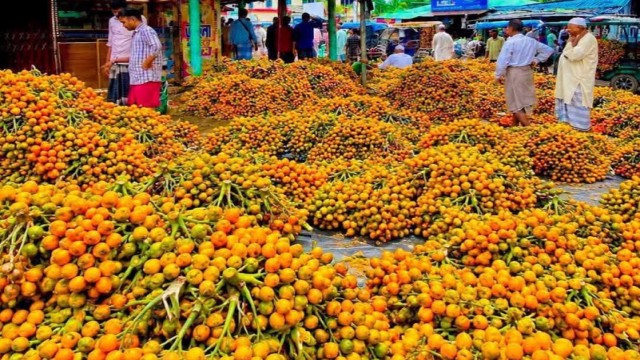
RAJSHAHI, APR 10 (V7N) - The local irrigation system has largely collapsed in various upazilas of Rajshahi due to the severe fuel oil crisis. Thousands of farmers have been left disoriented as a direct result. As the irrigation system is shut down due to lack of oil, the crop fields are parched with thirst for water, and the fields of boro rice, yam, chilli and betel are drying up. Farmers are running for miles in the hope of a drop of oil; some are wandering from one village to another with irrigation pumps on their shoulders. This unprecedented crisis has raised fears of widespread crop damage, which has created extreme anxiety and uncertainty in the minds of farmers.
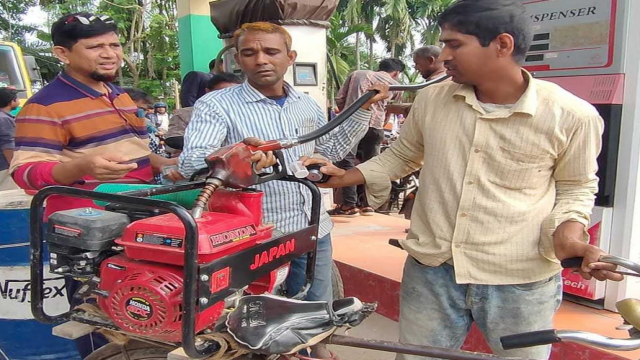
When we went to the M/s Habib Filling Station in Shah Makhdum Airport area of Paba Upazila of Rajshahi, we saw Abdul Bari, a farmer from Maugachhi Union of Mohanpur Upazila, waiting for fuel. He came there with his irrigation machine in search of petrol. Farmer Abdul Bari told reporters that although diesel is available in their area, petrol is not available. This has stopped the operation of the irrigation machine.
He said, "Irrigation is not being provided. Patol plantation, chilli plantation, Boro paddy are all drying up and dying in the sun. Patol trees have been dying for a week simply due to lack of irrigation." He also said that farmers are wasting their time, labor and money by searching for oil every day. Helpless, unable to find oil in his area, he came to the pump with an irrigation machine on his head, just hoping to save the crop.
Another farmer, Sihab, who came to the same station to buy oil, told reporters, "They have to go far and wide to get oil because they cannot find it at the shops or pumps near their homes. This also incurs additional travel expenses."
He said, "Earlier, we used to get oil near our house, take it from there and irrigate, which was convenient. Now, we have to come here by car and spend 300 to 400 taka." Farmer Sihab complains that even after coming from such a distance, we are not getting the oil we need.
He said, "I come from 13 kilometers away to get oil. When I arrived, I saw that they were only offering oil for 300 taka. Will we be able to survive with this oil?" He said that the oil worth 300 taka runs out when we go to irrigate five kathas of land. This is severely disrupting the irrigation activities of various crops including betel and jute.
Muzaffar Mandal, a farmer from Gopalpur village in Mougachi union of Mohanpur, shared similar suffering. He said, "Petrol is essential for irrigation of betel leaves, onions, potatoes and jute crops. But after traveling 13 kilometers to the pump, he got only 300 taka of fuel."
Farmer Muzaffar Mandal said, "We got oil for 300 taka from a distance of 13 km. This 300 taka of oil will only last for wetting five kathas of my soil. Then how will I manage?" He said that after harvesting wheat, he was supposed to prepare for sowing jute by irrigating it. But due to lack of fuel, that plan is about to fall apart. In his words, "With the current oil crisis, I will not be able to weave jute this time."
Farmers complain that this fuel crisis is not just a matter of personal suffering; it is also directly affecting agricultural production. If irrigation is not provided on time, there is a risk of reduced production in the current season. This will cause financial losses to the farmers.
However, the pump authorities say that they too have limitations. Rakib, manager of Messrs. Habib Filling Station in Paba Upazila, said that sufficient oil is not available from the depot. The amount of oil that is being allocated is being distributed to the farmers after verifying the certificates with the help of the administration.
Rajshahi Paba Upazila Deputy Assistant Agriculture Officer and Tag Officer of the filling station, Salah Uddin Al Mamun, told reporters that oil is being supplied on the basis of agricultural cards and certificates for the convenience of farming. Every day, efforts are being made to provide oil to farmers as per their demand. But the reality on the ground shows that these efforts are not sufficient compared to the demand.
Farmers say that if adequate fuel supply is not ensured quickly, the irrigation system will collapse further and the agricultural sector will face major losses this season. Therefore, they demand effective steps to immediately resolve the fuel oil crisis to save crops and maintain normal production.
END/RAR/RH/