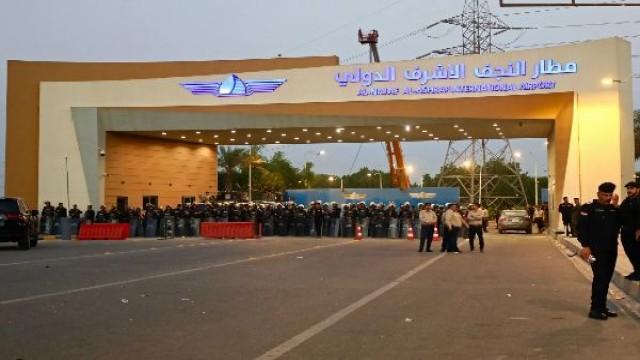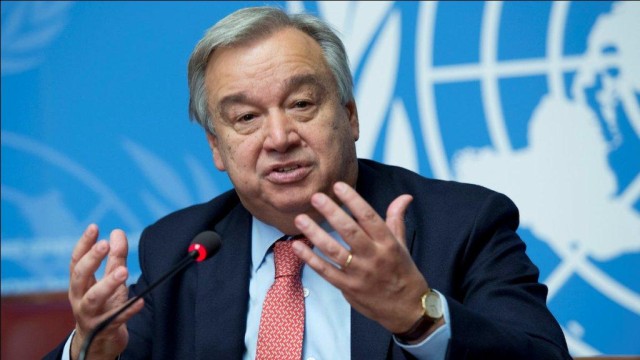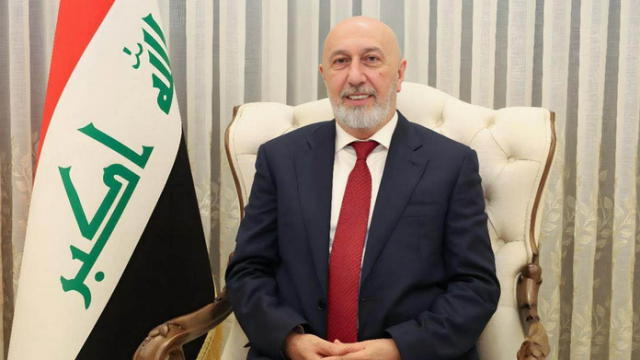
BAGHDAD, April 12— In a landmark vote that ends months of political deadlock, Iraqi lawmakers elected Nizar Amedi as the nation’s new president on Saturday. The election, broadcast live on the official Al-Iraqiya channel, marks a critical step toward forming a functional government as the country navigates the dual pressures of internal division and a widening Middle East war.
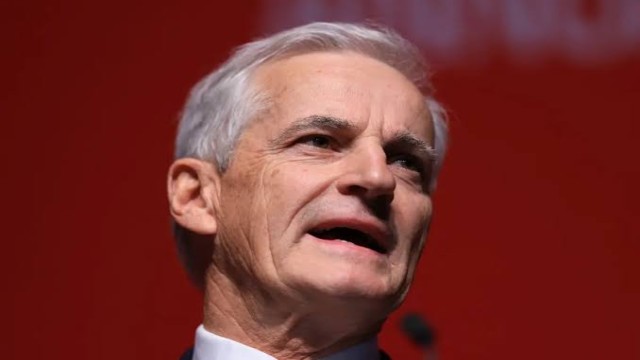
Amedi, a 58-year-old veteran politician and former Environment Minister, was sworn in to succeed Abdul Latif Rashid. A longstanding official of the Patriotic Union of Kurdistan (PUK), Amedi’s appointment follows a political tradition where the largely ceremonial presidency is reserved for a Kurd, while the prime ministership is held by a Shiite and the parliament speaker by a Sunni.
The new president now enters a high-stakes 15-day window to formally appoint a prime minister. The frontrunner for the post is Nouri al-Maliki, the two-time former head of government. Maliki’s potential return to power comes despite vocal opposition from the United States, which has expressed deep concern over his close ties to Tehran and his previous governance record.
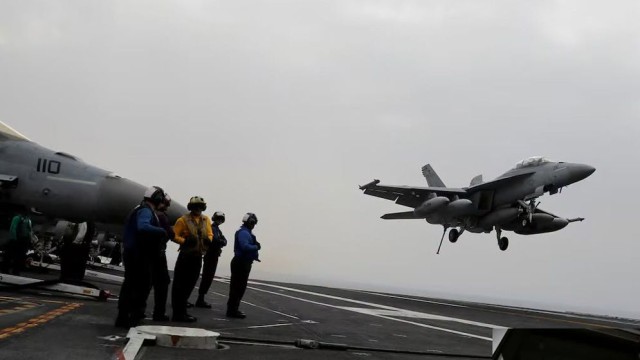
The election took place against a backdrop of extreme regional volatility. The broader Middle East has been engulfed in conflict since February 28, when U.S. and Israeli strikes on Iran triggered a massive wave of Iranian retaliation across Israel and the Gulf. This regional "war situation" has significantly complicated Iraq's domestic politics, as Baghdad struggles to balance its relationship between Washington and Tehran.
The road to Saturday’s vote was paved with delays. While the presidential election was originally scheduled for January following the November general election, it was postponed twice due to intense disagreements among rival factions. The Coordination Framework, a powerful alliance of Shiite groups linked to Iran, remained steadfast in their nomination of Maliki, leading to a protracted stalemate.
International interference further strained the process in January, when U.S. President Donald Trump issued a direct ultimatum to Iraqi leadership. Trump warned that if Maliki were named prime minister, the United States would cease all assistance to Iraq. This threat placed Iraqi leaders in a precarious position, caught between American economic and military aid and the domestic influence of pro-Tehran factions.
Despite the ultimatum, Maliki has remained defiant. In a February interview with AFP, he stated he would not withdraw his candidacy, though he promised to attempt to allay Washington’s security and diplomatic concerns. His supporters argue that his experience is necessary to stabilize the country during the current regional military crisis.
Amedi’s victory is seen as a win for the PUK, one of the two historic parties in the autonomous Kurdish region. His background as a former environment minister suggests a focus on administrative stability, though his primary role in the coming days will be mediating the fierce competition for the country's top executive office.
The United States has maintained significant influence over Iraqi political structures since the 2003 invasion that ousted Saddam Hussein. However, the current "gloves off" approach by the Trump administration, combined with the active conflict with Iran, has tested the limits of American soft power in Baghdad.
For the Iraqi public, the formation of a government is a matter of urgent necessity. The country is facing mounting economic pressure, exacerbated by global energy market shifts and the recent record-breaking fuel price hikes seen in neighboring regions. A stable government is required to manage the domestic fallout of the ongoing regional strikes and infrastructure threats.
As Amedi takes office, the international community is watching closely to see if he will immediately nominate Maliki or seek a compromise candidate to avoid a total rupture with the U.S. The 15-day deadline set by the constitution leaves little room for further deliberation or political maneuvering.
The coming two weeks will likely determine whether Iraq can maintain its fragile neutrality in the U.S.-Iran conflict or if the appointment of a pro-Tehran prime minister will trigger the withdrawal of American support, potentially shifting the balance of power in the Middle East even further.
END/WD/RH/