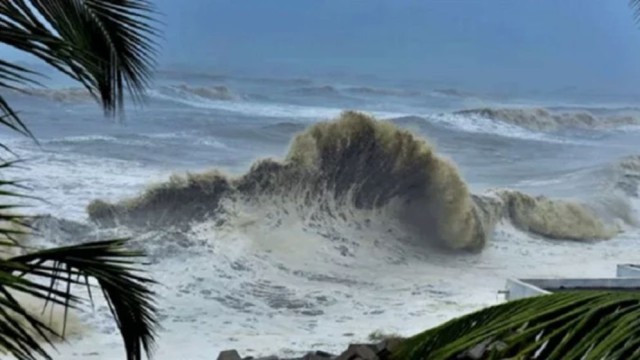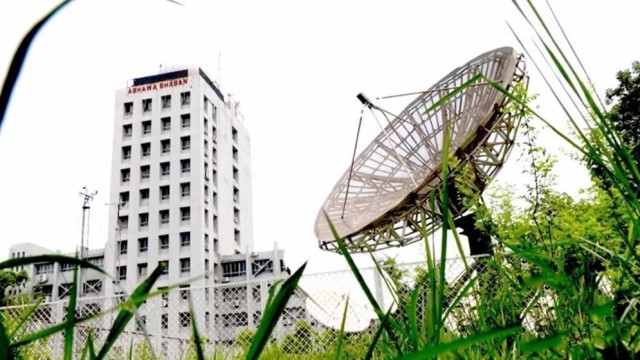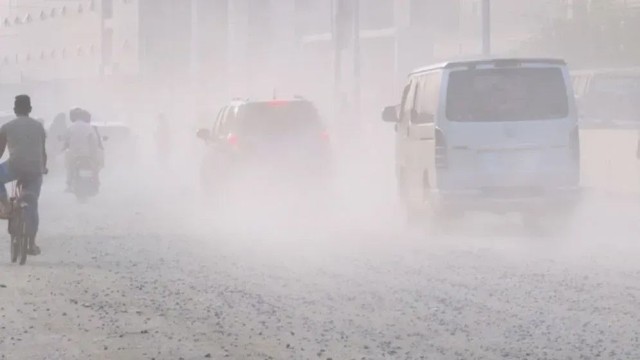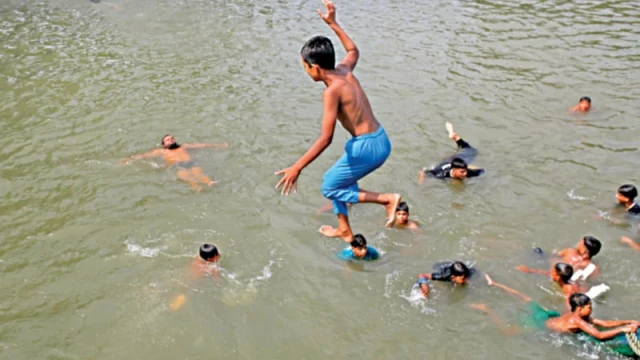
Dhaka, Jun 03 (V7N) – The effects of climate change are becoming increasingly visible across the globe, with heatwaves, droughts and irregular rainfall emerging as major challenges. For Bangladesh, these concerns are growing as a possible strong El Niño event later this year could intensify existing climate-related risks. Heatwaves have already begun affecting district after district across the country.
A mild heatwave swept across more than 40 districts in early June, including large parts of Rajshahi, Rangpur, Khulna and Barisal divisions. According to the Bangladesh Meteorological Department (BMD), the situation may persist over the coming days. Meanwhile, the World Meteorological Organization (WMO) has warned of a high likelihood of a strong El Niño developing during the second half of the year.
Experts warn that Bangladesh’s economy, agriculture, food production, water resources, public health and labor-intensive livelihoods are heavily dependent on weather conditions. A strong El Niño could lead to prolonged heatwaves, rainfall shortages, drought, crop losses, water scarcity and increased health risks.
Temperatures May Reach 40°C
The Meteorological Department reported that a mild heatwave affected more than 40 districts on Tuesday, including Dhaka, Narayanganj, Tangail, Faridpur, Gopalganj, Mymensingh, Chandpur and Lakshmipur. The highest temperature was recorded in Saidpur at 38.5 degrees Celsius, while Dhaka experienced a maximum temperature of 36.7 degrees Celsius.
Meteorologist Md. Shahinul Islam said that although heatwaves are not unusual at this time of year, the current spell could intensify if rainfall remains limited.
The BMD forecasts two to three mild to moderate heatwaves during June and has warned that temperatures in some regions could approach 40 degrees Celsius.
Meteorological Department Director Md. Mominul Islam noted that the nature of heatwaves in Bangladesh has changed significantly in recent years. Instead of lasting only a few days, heatwaves are now becoming prolonged, while nighttime temperatures remain unusually high, reducing opportunities for recovery and increasing health risks.
Concerns Over Reduced Rainfall
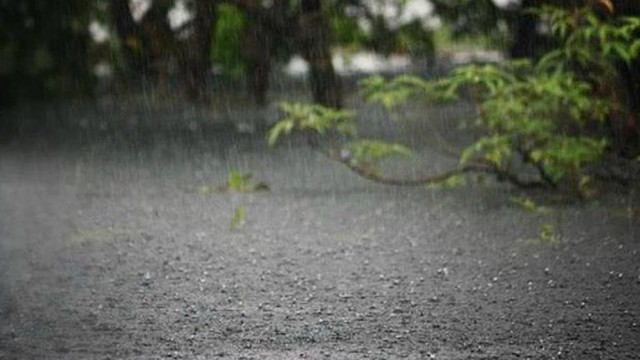
June is traditionally the beginning of the monsoon season in Bangladesh, providing crucial rainfall for agriculture, river systems and groundwater replenishment. However, long-range forecasts suggest that rainfall this month may be below normal.
Bangladesh typically receives around 459 millimeters of rainfall in June, making it one of the wettest months of the year. Reduced rainfall could place additional pressure on agriculture, water resources and power generation, particularly in areas that depend heavily on groundwater irrigation.
El Niño Raises Global Alarm
Amid domestic weather uncertainties, attention has turned to El Niño. According to the WMO, there is an approximately 80 percent probability that El Niño conditions will develop before September, rising to around 90 percent by November.
El Niño occurs when sea surface temperatures in the equatorial Pacific Ocean become abnormally warm, disrupting global weather patterns. It often contributes to droughts, heatwaves, irregular rainfall and extreme weather events worldwide.
United Nations Secretary-General António Guterres has described El Niño as an urgent warning for the global climate, while WMO Secretary-General Celeste Saulo has warned that temperatures in many regions are likely to remain above average in the coming months.
Potential Impact on Bangladesh
Climate experts say El Niño can influence Bangladesh by delaying the monsoon and reducing seasonal rainfall. Changes in Pacific Ocean temperatures often affect rainfall patterns across South Asia.
The greatest concern lies in drought-prone regions such as Rajshahi, Chapainawabganj, Naogaon, Dinajpur, Rangpur and Kurigram. Reduced rainfall in these areas can quickly create water shortages, increase irrigation costs and lower groundwater levels.
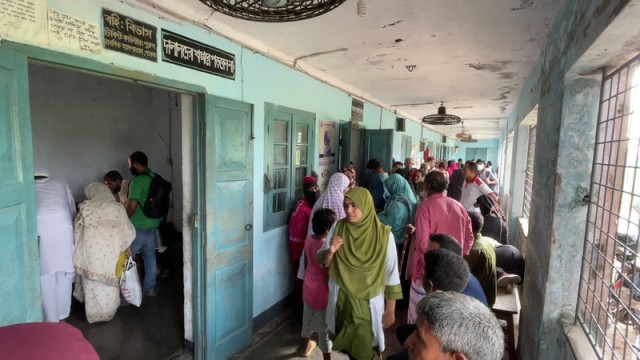
Bangladesh experienced one of its longest heatwaves in 2024, with temperatures ranging between 36 and 42 degrees Celsius across many districts for 36 consecutive days. Educational institutions were temporarily closed, electricity demand reached record highs, and hospitals reported sharp increases in heat-related illnesses.
Meteorologist Md. Bazlur Rashid warned that stronger and more frequent heatwaves could become common if a strong El Niño develops.
Agriculture at Risk
Agriculture remains highly dependent on weather conditions in Bangladesh. Aman rice cultivation relies heavily on monsoon rainfall, while Boro rice requires extensive irrigation.
Agricultural experts warn that delayed monsoon rains or rainfall shortages could seriously affect Aman cultivation. Extended dry spells may damage crops, while sudden heavy rainfall following drought conditions could flood agricultural fields.
The production of rice, wheat, maize, pulses, mustard, vegetables and fruits could all face risks. Fruit growers have already reported losses as heatwaves have caused mangoes and litchis to fall prematurely from trees.
Director General of the Bangladesh Atomic Agriculture Research Institute, Dr. Shariful Haque Bhuiyan, said climate change is shortening winters, raising temperatures and disrupting rainfall patterns. He emphasized the need for climate-resilient crop varieties to protect future food production.
Health Risks Increasing
Health experts warn that climate change is no longer solely an environmental issue but has become a major public health challenge.
Prolonged heatwaves increase the risk of heatstroke, dehydration, kidney complications, cardiovascular diseases, respiratory problems and diarrheal illnesses. Children, elderly people, pregnant women and outdoor workers remain particularly vulnerable.
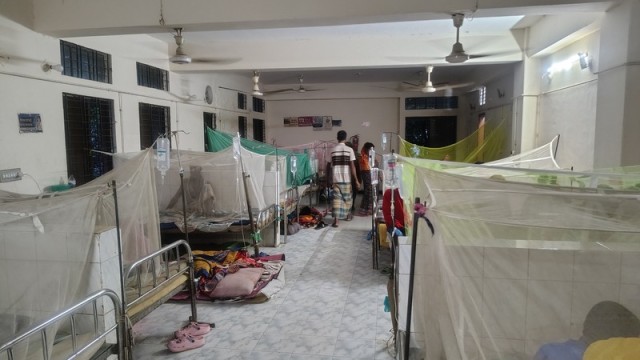
At the same time, excessive rainfall and waterlogging contribute to the spread of dengue, chikungunya and other waterborne diseases.
Need for Stronger Preparedness
Experts argue that Bangladesh's response remains inadequate, particularly because heatwaves have not yet been officially recognized as a natural disaster.
As a result, there is currently no dedicated national action plan, budget allocation or comprehensive support framework specifically designed to address heatwave impacts.
Environmental and climate specialists are calling for improved early warning systems, climate-resilient infrastructure, urban greening, enhanced healthcare preparedness, drought-tolerant crops, better water management and social protection measures for vulnerable communities.
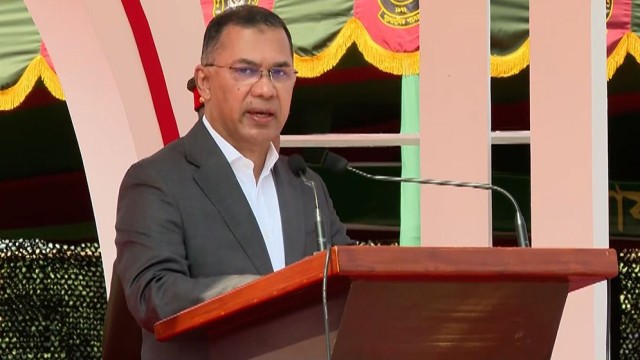
Environment, Forest and Climate Change Minister Abdul Awal Mintu said the government is prioritizing urban afforestation and large-scale tree plantation programs to reduce temperatures. Plans are underway to plant 250 million trees over the next five years and expand mangrove forests in coastal regions including Chattogram, Bhola and Patuakhali.
Experts caution that without timely adaptation measures, the economic and humanitarian costs of climate-related disasters in Bangladesh could rise significantly in the years ahead.
END/SMA/AJ