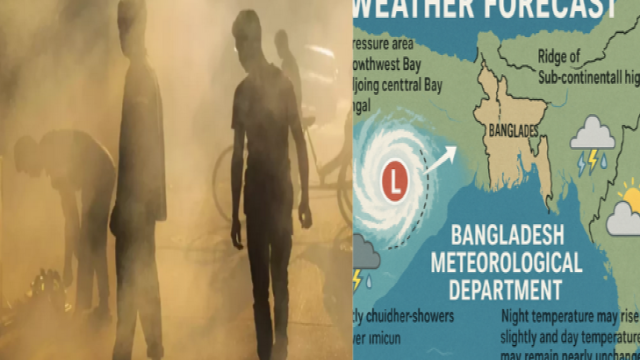
DHAKA, February 23, 2026 (V7N) — Residents of the capital faced a severe environmental crisis on Monday morning as Dhaka’s air quality plunged into the "hazardous" category. Recording an Air Quality Index (AQI) of 332 at 9:23 am, Dhaka ranked as the most polluted city in the world, surpassing Lahore, Delhi, and Kolkata. Health experts have warned of significant respiratory risks, as any AQI score above 301 is considered a serious health threat to the general population, not just sensitive groups.
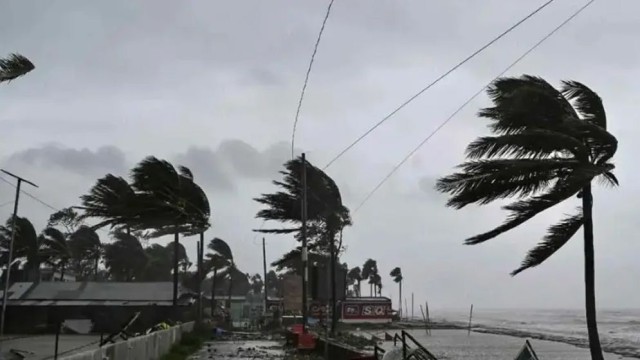
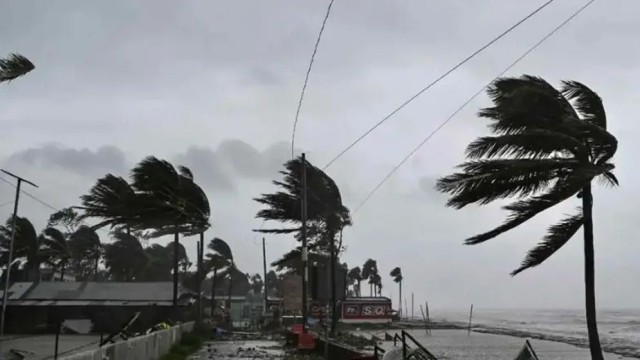
The extreme pollution levels coincide with a shift in regional weather patterns. The Bangladesh Meteorological Department (BMD) reported on Monday that the well-marked low-pressure system over the southwest Bay of Bengal has weakened into a standard low over the central Bay. This system is expected to move in a northeastward direction, potentially bringing much-needed moisture to clear the stagnant, dust-laden air currently trapped over the country's urban centers.
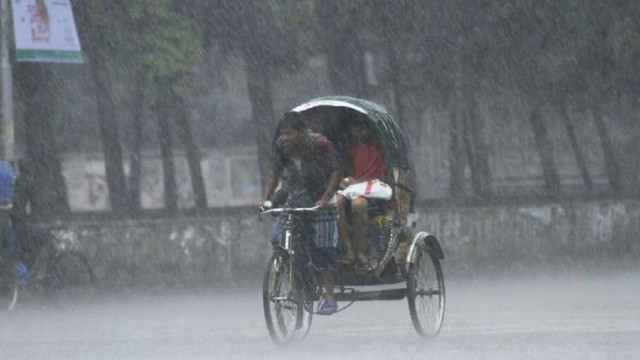
In its latest bulletin, the Met Office forecasted that rain or thundershowers are likely to occur at one or two places over the Khulna and Rajshahi divisions. For the rest of the country, the weather is expected to remain mainly dry with temporary partly cloudy skies. While day temperatures are predicted to remain nearly unchanged, night temperatures across the country may see a slight rise due to increased cloud cover and moisture.
Dhaka’s long-standing struggle with air pollution typically peaks during the dry winter months when stagnant air traps pollutants from brick kilns, vehicle exhaust, and massive construction projects. The AQI is measured based on five key pollutants, including fine particulate matter (), which is linked by the World Health Organization (WHO) to millions of annual deaths from stroke, lung cancer, and acute respiratory infections.
As the ridge of sub-continental high pressure extends up to Bihar, weather experts suggest that the predicted rainfall in the western divisions could provide some relief from the "hazardous" smog. However, until significant precipitation occurs, residents are advised to wear high-quality masks and avoid outdoor exercise. The BMD will continue to monitor the low-pressure area in the Bay of Bengal for further developments.
END/CLM/RH/