PARIS, France June 02 (V7N): The Paris Opera announced on Thursday that it has been forced to extend planned renovations on its historic home, the Palais Garnier, by three years due to the discovery of extensive lead contamination.
The cultural institution had previously scheduled a two-year closure from 2027 to 2029 for the iconic European opera site. However, the comprehensive overhaul and specialized de-contamination of the 150-year-old structure is now expected to span five years, pushing the venue's official reopening date back to 2032.
Strict Safety Standards Drive the Delay
Paris Opera Director General Alexander Neef defended the extension to reporters, describing it as a responsible choice necessary to ensure the structural asset's long-term survival and prevent additional intrusive restorations in the near future.
Regulated Takedown: Neef attributed the delay to increasingly stringent environmental and safety regulations, which legally mandate the complete removal of lead particles from the main stage zone.
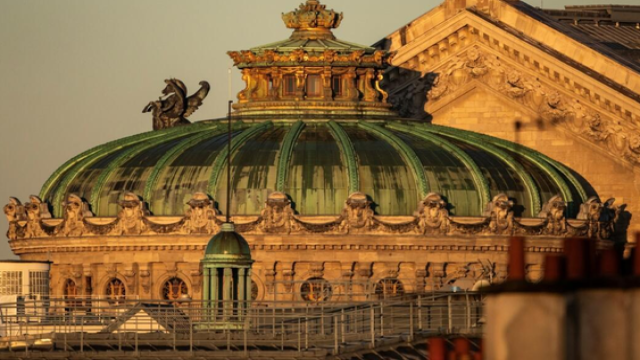
Architectural Heritage: Famed for its monumental grand marble entrance and a vast domed auditorium ceiling painted by Marc Chagall, the Palais Garnier represents one of several aging Parisian tourist landmarks currently navigating costly structural repairs. Similar five-year modernizations have forced the closure of the Pompidou Centre art gallery, while the Louvre Museum faces ongoing maintenance strain.
A Multi-Million Euro Allocation: The French Ministry of Culture has estimated the baseline renovation costs for the Paris Opera sites at 450 million euros ($515 million), a quarter of which will be directly financed by the state alongside elite private sponsorships. Once the extensive work on the Palais Garnier is finalized, the institution's secondary, modern venue—the Opéra Bastille—is scheduled to close for an additional two years to undergo its own parallel structural modernization.
END/WD/RH/