PARIS, June 18, 2026 (V7N) — The war launched by the US and Israel against Iran was initially cast as a turning point that could topple the Islamic republic, but months of fighting failed to dislodge the clerical leadership and instead left opposition movements fractured and dissidents under harsher repression.
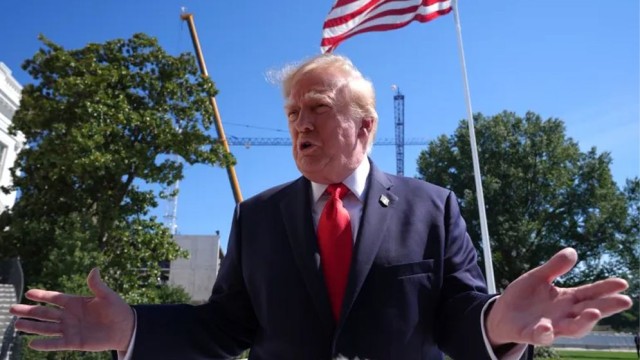
US President Donald Trump had said the war would pave the way for Iranians to rise up, pledging support to anti-government protests that peaked in January. Yet, despite the killing of Iran’s supreme leader in early strikes, the regime endured, while opposition groups abroad became more divided and domestic dissent was further weakened.
Exiled figures such as Reza Pahlavi, son of the last shah, did not emerge as unifying leaders. Inside Iran, Nobel laureate Narges Mohammadi and other dissidents remain under pressure. Analysts like Thomas Juneau of the University of Ottawa noted that infighting among exiled factions has intensified, while repression at home has deepened.
Many Iranians had hoped foreign intervention would bring change after protests driven by economic hardship, but the war instead brought new crackdowns, internet blackouts, and worsening economic suffering. Rights groups said thousands were killed during the protests.
Human rights advocates stressed that the war was never about protecting Iranians. Mahmood Amiry Moghaddam of Iran Human Rights said authorities used the conflict as a pretext to intensify repression, adding that democratic change must come from within Iran, not foreign military action.
The US maintained its focus was on ending Iran’s nuclear programme. Vice President JD Vance said Trump’s stance was that if Iranians wanted to rise up, “that’s their business.” Still, many inside Iran voiced betrayal at the US-Iran deal that ended the war, fearing it would empower the regime further.
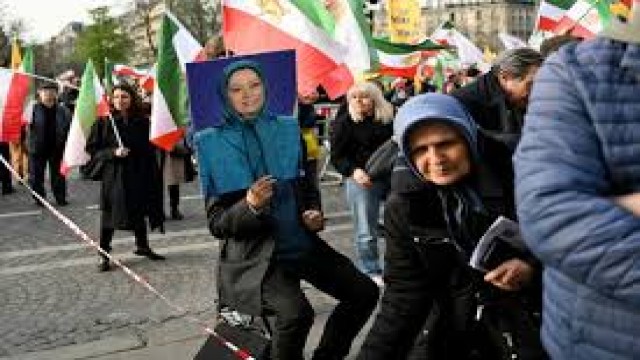
Opposition figures reacted coldly. Pahlavi warned that negotiating with the Islamic republic was “morally wrong and strategically misguided.” Maryam Rajavi of the People’s Mujahedin criticized both monarchists and the regime, welcoming the end of war but calling for an end to executions of political prisoners.
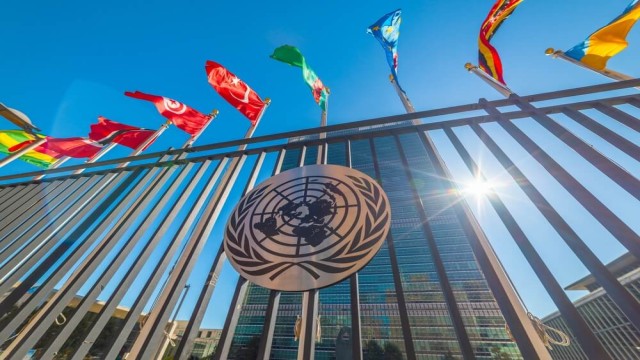
Rights groups and the UN have raised alarms over a surge in executions — more than 40 since the war began — and mass arrests linked to protests. Amnesty International’s Agnes Callamard warned that dissidents remain at grave risk of atrocity crimes.
The conflict, which opposition hoped would weaken the regime, instead reinforced its grip, leaving Iran’s fractured opposition struggling to regroup and ordinary citizens facing intensified repression and economic hardship.
END/WD/RH