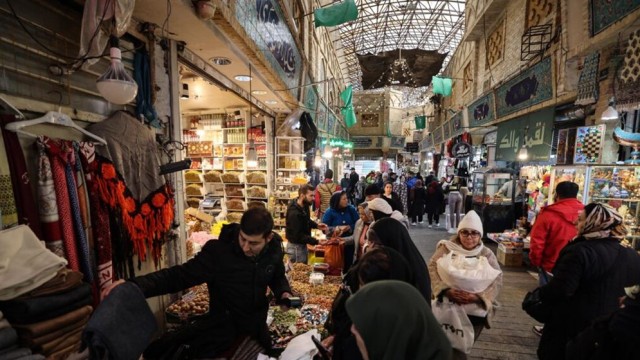
Tehran, Aug 18 (V7N)- Iran’s annual inflation rate has risen to 66 percent, deepening the country’s cost-of-living crisis as international sanctions, regional conflict and the sharp depreciation of the rial continue to put pressure on the economy.
The Iranian Labor News Agency (ILNA), citing official data from the Statistical Center of Iran, reported the sharp increase in consumer prices.
According to the data, point-to-point inflation reached 87.9 percent in July compared with the same month last year. Food and beverage prices rose even more sharply, increasing by 128.1 percent over the same period.
ILNA reported that the prices of at least eight essential goods more than doubled during the past 12 months. Monthly inflation in July alone stood at 3.1 percent.
The rapid rise in prices has further intensified pressure on Iranian households. The country’s currency, the rial, has also fallen to a record low against the US dollar in the informal market, making imported goods and other essential products increasingly expensive.
According to ILNA, the estimated monthly minimum living cost for a working family in Iran is around 90 million tomans, equivalent to approximately $1,385. In contrast, a minimum-wage worker earns about 25 million tomans, or roughly $385, per month.
This means a minimum-wage worker’s monthly income covers only slightly more than a quarter of the estimated basic living expenses of a family.
Labor rights activist Faramarj Toufighi said the rapid increase in living costs has left many workers struggling to meet even their essential expenses. According to his assessment, workers can afford basic necessities for only around eight days of the month and are left without sufficient money for more than 20 days.
Iran’s economy has remained under heavy pressure from international sanctions for years. The additional costs associated with regional conflicts, together with the weakening rial, have further intensified inflationary pressures.
The surge in food and other essential prices is placing particular strain on low-income and working families, widening the gap between wages and living costs.
Economists and labor activists warn that the continued rise in prices, combined with stagnant purchasing power, could further deepen social and economic pressures across Iran.
END/SMA/AJ