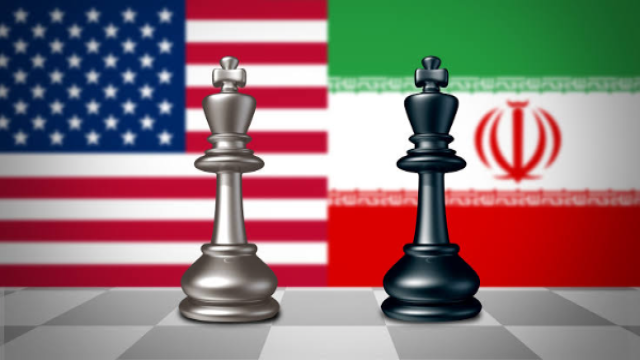
TEHRAN, May 20, (V7N)— Iran’s chief negotiator said Wednesday that the United States is trying to restart the Middle East war, after President Donald Trump warned of renewed attacks unless Tehran agrees to a peace deal.
Mohammad Bagher Ghalibaf, who cautioned of a “forceful response,” spoke after Iran’s Revolutionary Guards said any new war would spread far beyond the Middle East.
“The enemy's movements, both overt and clandestine, show that despite economic and political pressure, it has not abandoned its military objectives and is seeking to start a new war,” Ghalibaf said in an audio message carried by Iranian media.
An April 8 ceasefire halted the US-Israeli conflict with Iran, which had rattled the global economy. But with Washington and Tehran apparently unwilling to resume direct fighting, heated rhetoric has replaced battlefield clashes.
President Trump has repeatedly threatened further military action against Tehran, while Iranian officials have responded with warnings of devastating retaliation.
Despite sporadic violence, both countries continue diplomatic exchanges mediated by Pakistan to formally end the war.
On Tuesday, US Vice President JD Vance said “a lot of good progress is being made” and “we’re just going to keep working at it,” while telling Iran the US military was “locked and loaded.”
'I'm not sure yet'
The Revolutionary Guards issued a threat Wednesday, saying, “if the aggression against Iran is repeated, the promised regional war will this time spread far beyond the region, and our devastating blows will crush you.”
“The American-Zionist enemy... must know that despite the offensive carried out against us using the full capabilities of the world's two most expensive armies, we have not deployed the full power of the Islamic revolution,” the Guards said in a statement on their Sepah News website.
Citing diplomatic sources, official news agency IRNA reported a visit to Tehran by Pakistan’s interior minister, his second in less than a week.
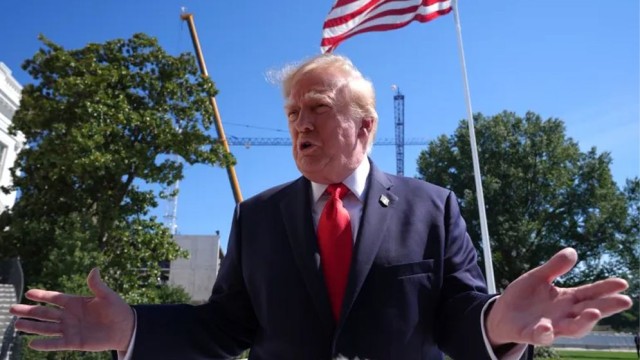
On Tuesday, Trump asserted that the US holds the advantage and that Iran is desperate for peace. “You know how it is to negotiate with a country where you're beating them badly. They come to the table, they're begging to make a deal,” he said.
“I hope we don't have to do the war, but we may have to give them another big hit. I'm not sure yet.” He has made similar statements before without a deal materializing.
Under pressure
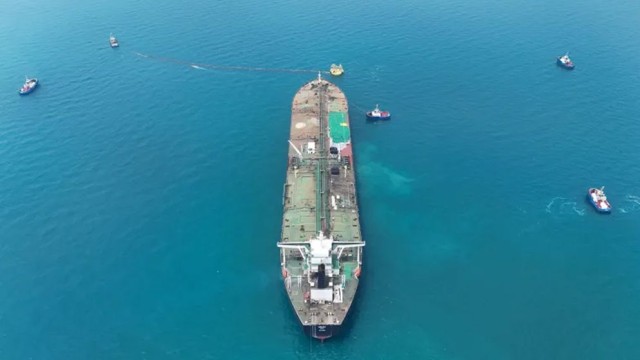
Trump faces domestic pressure as rising energy costs hit the US. While the ceasefire ended the fighting, it has not reopened the vital Strait of Hormuz, through which about a fifth of the world’s oil and liquefied natural gas typically moves.
The strait’s future is a key point in negotiations, and without an agreement, concerns are mounting for the global economy as pre-war oil stockpiles run down.
Rising fuel prices have triggered protests in Kenya, which depends on Gulf imports and where public transport has largely stopped.
“It’s unfortunate that we lost four Kenyans in today's violence, which also saw more than 30 people injured,” Interior Minister Kipchumba Murkomen told reporters.
The strait also carries roughly a third of global fertiliser supplies, and its closure is pushing up food prices and raising risks of shortages.
On Wednesday, the UN’s Food and Agriculture Organization warned of “a severe global food price crisis” and a “systemic agrifood shock” from the strait’s closure.
END/WD/RH