JERUSALEM, March 22, (V7N)— More than 100 people were injured after Iranian ballistic missiles struck two towns in southern Israel on Saturday, with authorities confirming that air defence systems failed to intercept the incoming projectiles.
According to Magen David Adom, at least 84 people were wounded in Arad, including 10 in serious condition. Hours earlier, 33 others were injured in Dimona, where a direct missile hit caused significant damage.
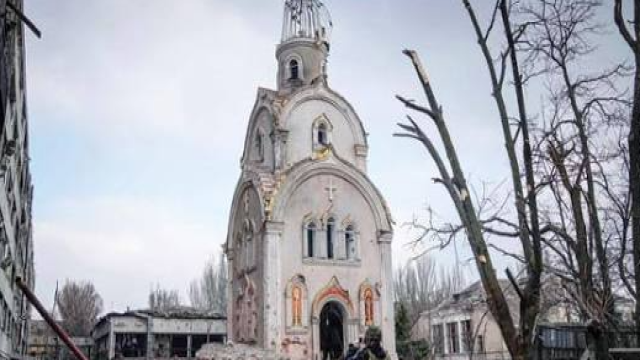
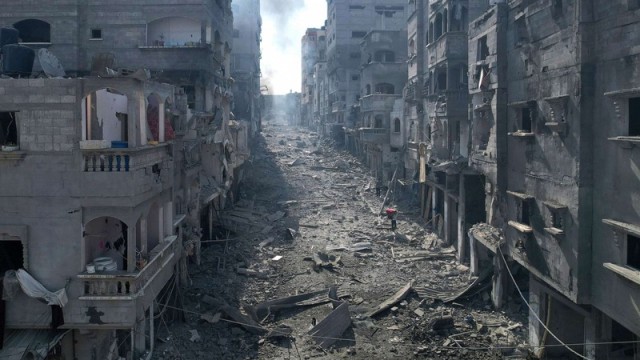
The attack caused widespread destruction in both towns, tearing apart residential buildings and leaving large craters at the impact sites. Emergency crews were deployed immediately, with rescue workers searching through debris for survivors.
Firefighters reported that interceptors had been launched but failed to neutralize the threats. “In both Dimona and Arad, interceptors were launched that failed to hit the threats, resulting in two direct hits by ballistic missiles,” officials said, noting the heavy explosive payload of the warheads.
The Israeli military acknowledged the failure and said an investigation was underway. “The air defence systems operated but did not intercept the missile… we will investigate the incident and learn from it,” said military spokesman Effie Defrin.
In Arad, three buildings were heavily damaged and a fire broke out following the strike. Emergency responder Riyad Abu Ajaj described the aftermath as chaotic, citing “extensive destruction” at the scene.
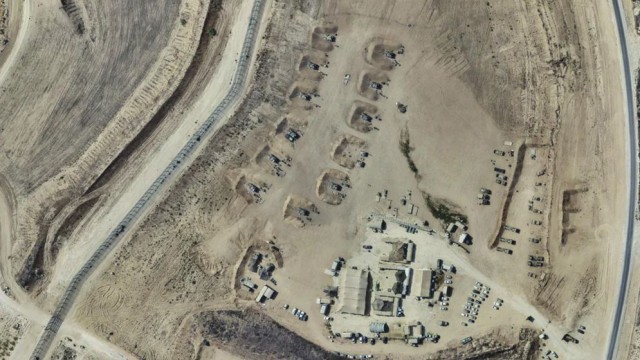
In Dimona, footage showed a large crater alongside piles of rubble and twisted metal, with nearby buildings suffering shattered windows and structural damage. Among the injured was a 10-year-old boy with serious shrapnel wounds.
Iranian state media said the strike on Dimona — widely believed to host Israel’s nuclear facility — was carried out in retaliation for earlier attacks on the Natanz nuclear site in Iran.
Israel has long maintained ambiguity regarding its nuclear capabilities, with the Dimona facility officially designated for research purposes.
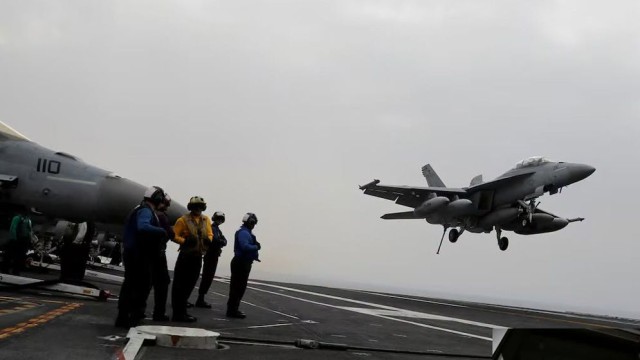
The missile barrage forms part of a broader escalation, with Iran launching repeated attacks against Israel since the conflict began on February 28 following joint US-Israeli strikes on Iranian targets.
Prime Minister Benjamin Netanyahu vowed to continue military operations, describing the situation as a “very difficult evening.”
Authorities have ordered schools in affected areas to shift to online classes as a precaution, while emergency services continue rescue and recovery operations.
The incident highlights the intensifying conflict and raises fresh concerns over the reliability of missile defence systems under sustained attacks.
END/WD/RH

Friday, October 2, 2026