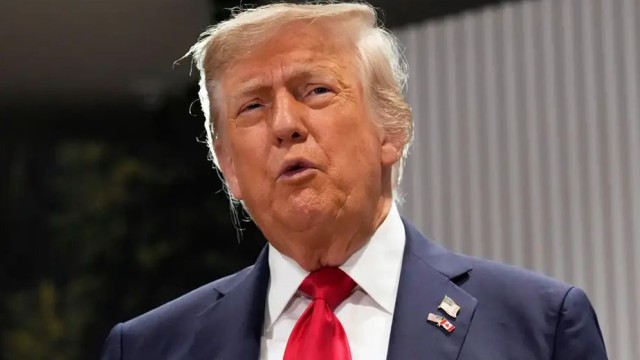
WASHINGTON, UNITED STATES, March 22 (V7N) — US President Donald Trump has given Iran a 48-hour ultimatum to reopen the Strait of Hormuz or face sweeping attacks on its energy infrastructure, as the Middle East conflict intensified with one of the most destructive Iranian strikes on Israel to date.
In a post on Truth Social, Trump warned that the United States would “hit and obliterate” Iranian power plants — “starting with the biggest one first” — if Tehran does not restore full shipping access through the vital waterway by Monday.
The ultimatum marks a sharp escalation in rhetoric, coming just a day after Trump suggested he was considering winding down military operations following three weeks of الحرب. The Strait of Hormuz, a crucial route for roughly one-fifth of global oil trade, remains effectively closed amid the standoff.
Iran’s Foreign Minister Abbas Araghchi responded by stating that restrictions apply only to vessels linked to countries involved in attacks against Iran, adding that other ships would be assisted.
Meanwhile, Iran’s military warned it would target energy and desalination facilities linked to the United States and its regional allies if threats persist, according to Iranian media.
The developments came hours after Iranian missiles struck southern Israel, injuring more than 100 people in the most severe attack since the war began. Israeli Prime Minister Benjamin Netanyahu vowed retaliation “on all fronts.”
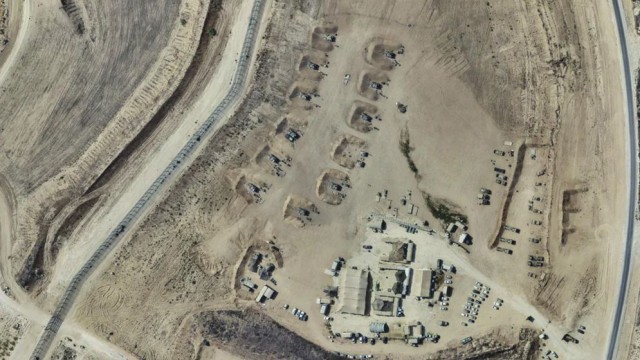
Emergency services reported 84 আহত in the town of Arad, including 10 in serious condition. Earlier, 33 people were wounded in Dimona, where a direct missile hit caused extensive damage. Among the আহত was a 10-year-old boy suffering from shrapnel injuries.
Dimona is widely believed to host Israel’s undeclared nuclear facility, though the country has never officially confirmed possessing nuclear weapons.
Iran’s Islamic Revolutionary Guard Corps said the strikes were in retaliation for attacks on its nuclear-related sites, including the Natanz facility. The UN nuclear watchdog chief Rafael Grossi renewed calls for restraint, warning of risks of a potential nuclear accident.
In response, the Israel Defense Forces said it launched a new wave of strikes targeting locations in Tehran, including facilities allegedly linked to missile and nuclear development.
The conflict has also expanded geographically, with Iran reportedly targeting military sites in Kuwait and the United Arab Emirates, and attempting a long-range strike on a US-UK base at Diego Garcia, according to officials.
Global चिंता has intensified as energy markets react sharply. Oil prices surged above $105 per barrel amid fears of prolonged disruption to supply chains. A joint statement from several countries, including the UK, France, Germany, Italy, South Korea, Australia, the UAE and Bahrain, condemned Iran’s “de facto closure” of the Strait of Hormuz and pledged support for ensuring safe passage.
Analysts say Iran has demonstrated unexpected resilience despite losing key leaders in the conflict. “They’re showing a lot of resilience that we didn’t perhaps expect,” said Neil Quilliam of Chatham House.
As the war enters its fourth week, the escalating military exchanges and growing economic fallout are raising fears of a wider regional crisis with global consequences.
END/WD/RH

Friday, October 2, 2026