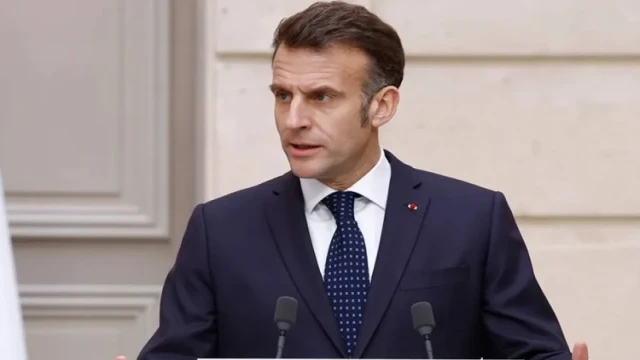
PARIS, France, March 2, (V7N) - French President Emmanuel Macron is set to unveil how France could use the European Union's only atomic arsenal to protect the continent amidst escalating global tensions. The speech, scheduled for Monday at France's Ile Longue nuclear submarine base, comes as Russia grows more aggressive and the United States' commitment to Europe appears increasingly uncertain.
Macron's address is timely, following US and Israeli strikes on Iran, which have heightened fears of instability in the Middle East. A senior member of Macron's team indicated that the speech would underscore the need for "power and independence" in an era marked by the proliferation of global threats.
France’s nuclear doctrine is expected to undergo significant updates as Russia's invasion of Ukraine enters its fifth year and NATO members worry about potential shifts in Washington's commitment to European security. Sources suggest that Macron will announce changes designed to bolster France’s role in European defense, including potential new collaborations with Germany and Poland over the use of France's nuclear deterrent.
Increased European Debate on Nuclear Deterrence
For decades, European nations have relied on the United States for nuclear protection, but recent shifts in geopolitical dynamics—particularly under US President Donald Trump—have sparked increased European debate about enhancing their own nuclear capabilities. Macron has already expressed openness to the idea of deploying French aircraft armed with nuclear weapons in other European countries as part of a broader defense strategy.
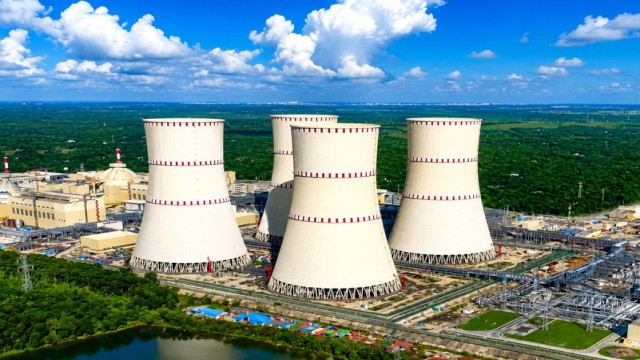
With an estimated 290 nuclear warheads, France maintains the fourth-largest nuclear arsenal globally. The United Kingdom, although no longer part of the EU, is the only other European nuclear power. The United States and Russia, however, each possess thousands of warheads, overshadowing the European deterrents.
Nuclear Cooperation and '27 Buttons' Dilemma
While reassurances from US officials suggest Washington's nuclear umbrella will continue to cover Europe through NATO, European fears of an uncertain future have grown. Macron’s speech will likely address how France’s and Britain’s nuclear arsenals can be integrated into a more assertive European defense framework.
Bernard Rogel, former top military advisor to Macron, emphasized that the decision to launch nuclear weapons would remain under French control. "I can't see us having 27 buttons," he stated, referring to the potential for EU-wide control, which he believes would compromise credibility.
Growing Support for European Nuclear Deterrence
Public sentiment across Europe appears increasingly supportive of strengthening nuclear deterrence. In countries like Denmark, Estonia, Germany, Portugal, Spain, and Switzerland, there has been a shift toward supporting the development of an alternative European nuclear deterrent, rather than opposing it.
Rafael Loss, a policy fellow at the European Council on Foreign Relations, pointed out that European investments in strengthening France or the UK's nuclear deterrence could be seen as a positive step. Finland’s defense minister, Antti Hakkanen, also echoed this sentiment, calling it "only a good thing."
Challenges Ahead for Macron
Macron’s announcement, however, comes at a politically sensitive time, just a year before his presidency ends. His approval ratings are low, and his stance on nuclear policy could spark significant controversy, especially ahead of the 2027 presidential election. Marine Le Pen, leader of the eurosceptic far-right, is expected to make a strong run, and her advisors have already issued sharp criticisms of Macron's plans.
Philippe Olivier, an advisor to Le Pen, warned that any move to give control of France's nuclear weapons to the EU would constitute "treason" and could lead to impeachment proceedings.
While Macron's vision for France’s nuclear policy may be bold, it remains to be seen how it will resonate with the French public and political landscape, especially as the country approaches its next presidential election.