
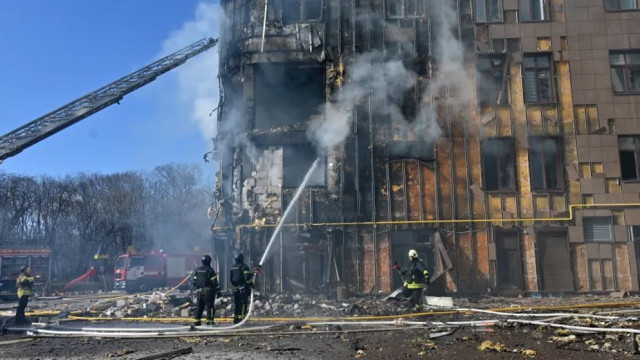
UKRAINE, MAY 09 (V7N) - The landscape of the war in Ukraine has shifted into a precarious three-day diplomatic window as of May 9, 2026, following a US-brokered truce designed to coincide with Russia’s "Victory Day" celebrations. This temporary cessation of hostilities, negotiated directly by US President Donald Trump, represents the most significant—albeit brief—pause in a conflict that has now spanned four years. The agreement facilitates a massive mutual exchange of 1,000 prisoners of war from each side, a move that serves as a humanitarian reprieve amidst a war that has claimed hundreds of thousands of lives. For President Trump, the truce is a high-stakes attempt to fulfill a core campaign promise of ending the war, even as the conflict had recently been overshadowed by escalating violence in the Middle East.
The timing of the ceasefire is deeply symbolic and strategically calculated, centering on the "sacred" Russian holiday commemorating the Soviet victory over Nazi Germany. In an unusual diplomatic trade, the Ukrainian presidency signaled that the price for the return of 1,000 soldiers was the guarantee that Moscow’s Red Square would remain free from drone strikes during the annual victory parade. This concession is particularly notable given the atmosphere of extreme tension leading up to the holiday, which included Russian threats of a "massive strike" on Kyiv and Ukrainian warnings against foreign dignitaries attending the Moscow event. For President Putin, the truce secures a degree of domestic stability for a parade that has already been diminished by the total absence of military hardware for the first time in nearly twenty years.
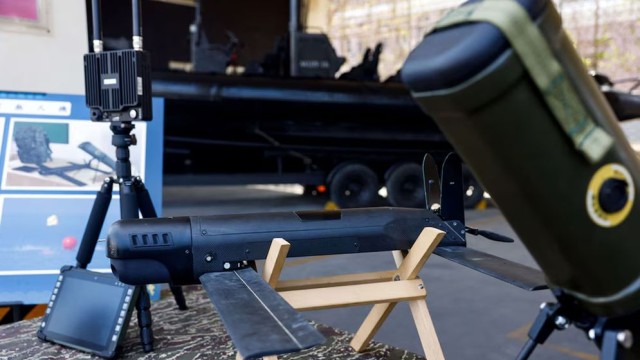
Despite the official commencement of the truce, the hours preceding the announcement were characterized by a fierce and symmetrical exchange of drone warfare that underscored the fragility of the peace. Russia launched 67 drones overnight, while Ukraine targeted critical infrastructure, reportedly striking refineries in Yaroslavl and Perm and an air navigation center in Rostov-on-Don. These strikes led to the temporary closure of 13 airports in southern Russia and prompted President Putin to label the actions as "terrorist" in nature. This surge in pre-truce violence highlights the "mirror-like" military doctrine currently employed by both nations, where every assault is met with a calculated retaliatory response, making the transition from active combat to a three-day standstill incredibly volatile.
As the May 9-11 ceasefire takes effect, the international community remains skeptical about whether this brief interval can transform into a sustainable peace process. While President Trump expressed hope that this is the "beginning of the end," the underlying issues of the invasion remain unresolved, and both sides have used previous lulls to regroup and refortify. The absence of tanks and heavy weaponry at the Red Square parade serves as a silent testament to the exhaustion of Russian military resources, yet the rhetoric from both Moscow and Kyiv remains uncompromising. For now, the success of the truce will be measured not by political breakthroughs, but by the safe return of 2,000 prisoners and the silence of the drones over the next seventy-two hours.
END/WD/RH/









Comment: