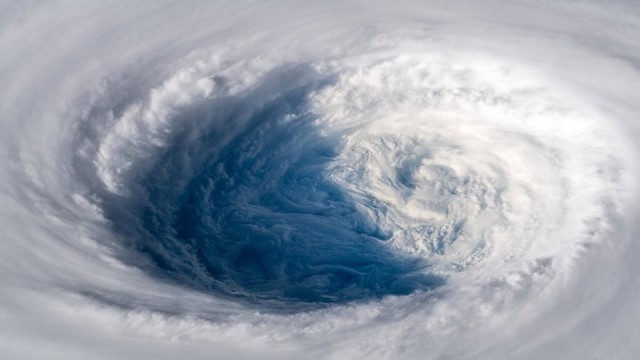
SAIPAN, July 04 (V7N): Residents across Guam and the Northern Mariana Islands braced for a catastrophic impact on Saturday as Super Typhoon Bavi roared toward the US Pacific territories, packings dangerous Category 5-equivalent winds.
According to the Joint Typhoon Warning Center (JTWC), Bavi was tracking several hundred kilometers east of the archipelago with maximum sustained winds of 259 km/h (161 mph) and devastating gusts reaching 314 km/h (195 mph). The US National Weather Service issued a grim outlook, warning the territories' 200,000 residents to prepare for severe tropical storm to full typhoon conditions. In response, local governments completely scrapped scheduled celebrations for the United States' 250th anniversary to declare a state of emergency, prompting long queues at gas stations and a massive rush for plywood, water, and emergency groceries.
The impending arrival of Super Typhoon Bavi has triggered widespread anxiety, primarily because the islands are still reeling from the structural and emotional fallout of another major disaster just months ago.
The Shadow of Typhoon Sinlaku: In mid-April 2026, the region was battered by Super Typhoon Sinlaku, which decimated the local power grid, tore roofs off houses, and caused a cargo ship to overturn, leaving six crew members dead or missing.
Slow Aid and Trauma: The American Red Cross confirmed that many residents are still living in temporary shelters or under makeshift roofs. Locals expressed deep fatigue and financial strain over delayed official disaster assistance, noting that even young children are showing signs of trauma from facing back-to-back atmospheric threats.
The terrifying intensity of Super Typhoon Bavi aligns with stark warnings issued this week by global climate agencies. The European Union's Copernicus Marine Service reported that the world's oceans just experienced their hottest June on record, creating a massive thermodynamic engine that allows tropical storms to rapidly intensify and hold unprecedented amounts of moisture.
Compounding the crisis, the World Meteorological Organization (WMO) confirmed on Friday that a powerful El Niño phenomenon is actively underway in the tropical Pacific. This cyclical climate pattern drives sea surface temperatures in the equatorial Pacific even higher, radically altering global wind and rainfall patterns while significantly elevating the risk of hyper-intense typhoon seasons in the Pacific.
end/wd/rh/