ABU DHABI, June 24, (v7n)— c closed-door talks with Sheikh Mohamed before scheduled stops in Kuwait and Bahrain. He will attend a Gulf Cooperation Council meeting in Manama on Thursday.
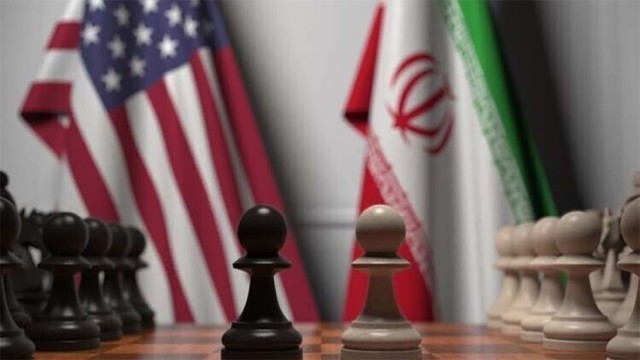
The trip comes one week after Washington signed a memorandum of understanding with Iran. Rubio said he plans to discuss the deal with Gulf leaders, though he acknowledged it does not cover Iran’s missile program or its regional proxies, both key concerns for Gulf states.
Speaking upon arrival in the UAE, Rubio rejected suggestions by Oman and Iran that they might impose “costs” for using the Strait of Hormuz, the vital waterway for Gulf oil and gas exports. “It’s an international waterway. No country is allowed to charge tolls or fees on an international waterway. That’s existing international law,” he said.
This is the first senior US official visit to the region since the US-Iran agreement was signed. Washington has been working to reassure Gulf allies who view the deal as falling short of expectations.
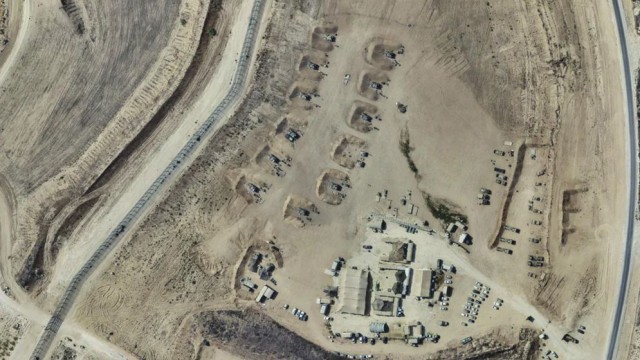
The Gulf bore the heaviest impact from Iran’s retaliation for US-Israeli strikes that ignited the war on February 28. The UAE was targeted by more than 2,800 missiles and drones, the highest of any country in the region. Kuwait and Bahrain also suffered significant attacks relative to their size. During the conflict, the UAE reaffirmed its alliance with the US and called for action on Iran’s missiles and proxy networks.
While Gulf leaders maintain close ties with President Donald Trump and have pledged billions in US investment, analysts say confidence in Washington has been shaken by what some see as inadequate protection during the Iranian strikes.
end/wd/rh/