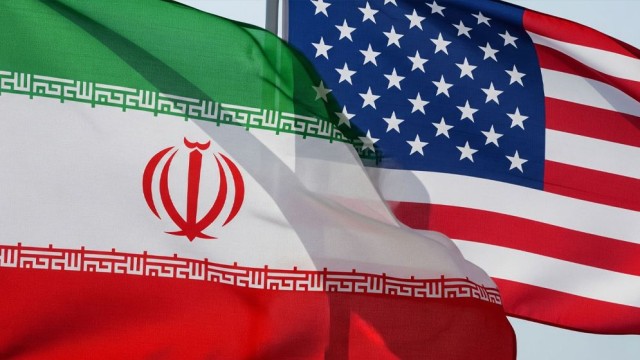
Geneva, Jun 15 (V7N) - Global leaders have widely welcomed the breakthrough preliminary peace agreement between the United States and Iran aimed at ending months of military conflict in the Middle East. Pakistani Prime Minister Shehbaz Sharif confirmed that both nations are set to officially sign the landmark accord this coming Friday in Geneva, Switzerland.
Iran's Deputy Foreign Minister also stated that high-level diplomatic talks will continue in Switzerland immediately following Friday's formal signing ceremony to map out the permanent implementation of the deal.
As the world reacts to the de-escalation, international heads of state and global organizations have expressed strong optimism alongside cautious reminders of the challenges ahead:
-
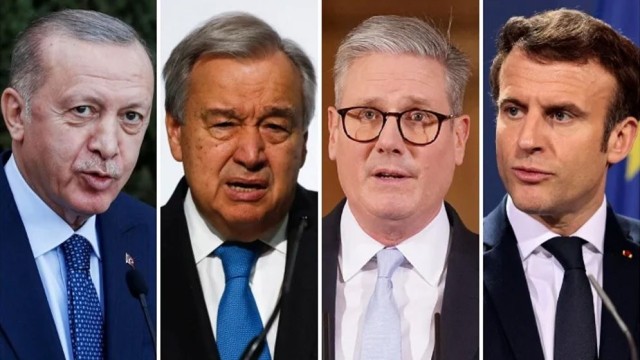
United Nations: UN Secretary-General António Guterres took to social media platform X to express his deep gratitude to the key mediating nations—Pakistan, Turkey, and Saudi Arabia. Guterres hailed the framework as "an important step towards a peaceful resolution of the conflict."
-
United Kingdom: British Prime Minister Keir Starmer strongly commended the diplomatic breakthrough, characterizing the progress toward the final agreement as a vital milestone for global stability.
-
France: French President Emmanuel Macron called for a rapid, transparent, and full implementation of the accord. Macron explicitly highlighted the situation in Lebanon, emphasizing that the restoration of full Lebanese state sovereignty must remain a core priority in the region's stabilization.
-
Turkey: Turkish President Recep Tayyip Erdoğan welcomed the agreement but issued a strong note of caution. Erdoğan warned that until the documents are officially signed on Friday, all parties must remain highly vigilant against provocative statements, escalation, and potential sabotage from external actors looking to derail the peace process.
-
Australia: Australian Prime Minister Anthony Albanese and Foreign Minister Penny Wong issued a joint statement urging both sides to capitalize on this historic diplomatic window. They stressed the importance of moving toward long-term, sustainable peace through dialogue, but firmly noted that Iran must comprehensively address international concerns regarding its nuclear program.
-
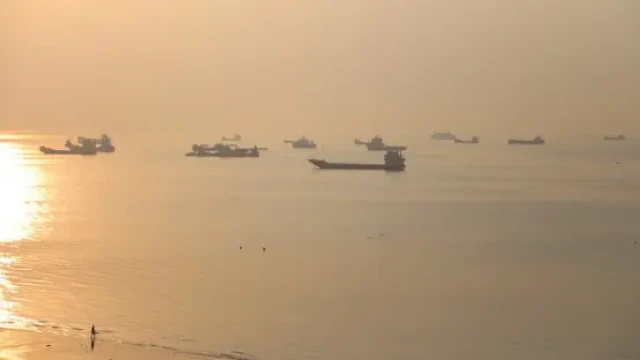
Japan: Speaking from Tokyo, Japanese Prime Minister Sanae Takaichi expressed hope that the finalized agreement would immediately guarantee "safe and free navigation" through the vital Strait of Hormuz—a crucial maritime corridor for Japan's energy security—while clearing a path for a swift and definitive resolution to Iran's nuclear impasse.
With the international community throwing its diplomatic weight behind the framework, all eyes now turn to Geneva on Friday, where the formal signing could fundamentally reshape the geopolitical landscape of the Middle East.
END/SMA/AJ