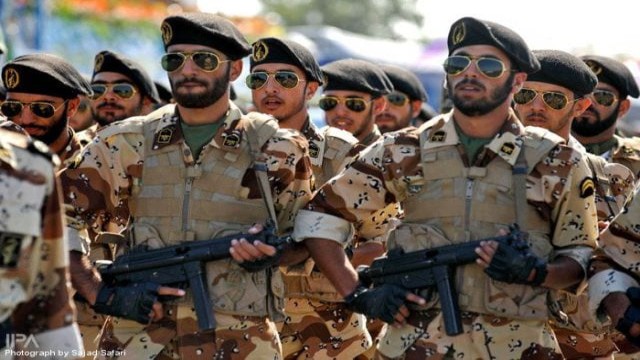
May 05 (V7N) - The geopolitical crisis in the Middle East has entered a dangerous new phase of institutionalized escalation. On Sunday, May 10, 2026, Iranian military and legislative officials formally announced the enforcement of a "new legal and security system" over the Strait of Hormuz. This directive mandates that all vessels wishing to transit the world’s most critical maritime chokepoint must now coordinate directly with Tehran. Army official Mohammad Akraminia explicitly warned that nations complying with US-led sanctions would face "difficulties" crossing the waterway—effectively weaponizing the strait as a tool of economic and political leverage against the international community.
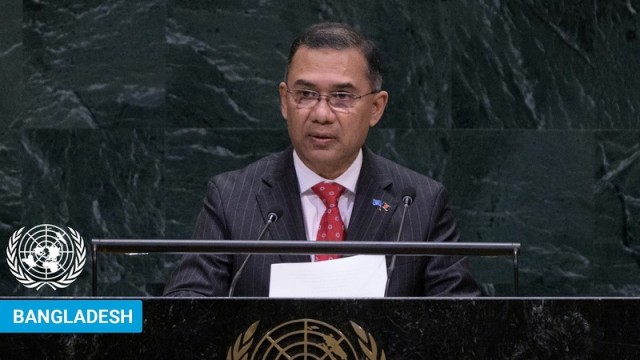
The timing of this announcement coincides with a high-stakes diplomatic showdown at the United Nations. The United States and Bahrain have drafted a UN Security Council resolution demanding that Iran immediately halt its restrictions on shipping. However, the move faces a significant hurdle: Russia, a veto-wielding member, has signaled its intention to block the resolution, further entrenching the global divide over the conflict that began on February 28. Iranian officials, including Ebrahim Azizi of the parliament's national security commission, have issued sharp warnings to "microstates" like Bahrain, suggesting that support for the US-backed resolution could result in being "closed off" from the vital lifeline forever.
The economic implications of this new "toll" system are already being felt globally. For the first time, Tehran has confirmed receiving revenue from transit fees imposed on the few vessels allowed to pass. This marks a radical departure from international maritime norms, as the strait—which historically handles 20% of the world’s oil and gas flows—is being treated as a proprietary toll road. The US government has countered by warning international shipping companies that paying these fees to Tehran would be a violation of the newly imposed sanctions, leaving global logistics firms trapped between a physical blockade in the Gulf and legal consequences in Washington.
As the "trickle" of shipping continues, the situation in the Strait of Hormuz has moved beyond a temporary military skirmish into a sustained systemic blockade. With Russia backing Iran’s position in the UN and the US enforcing a strict port blockade of its own, the "security gains" touted by Tehran have translated into extreme volatility for global commodity markets. The world now awaits the next move in this maritime chess match, where a single coordination failure or a retaliatory strike could permanently disrupt the global energy supply chain.
END/WD/RH/