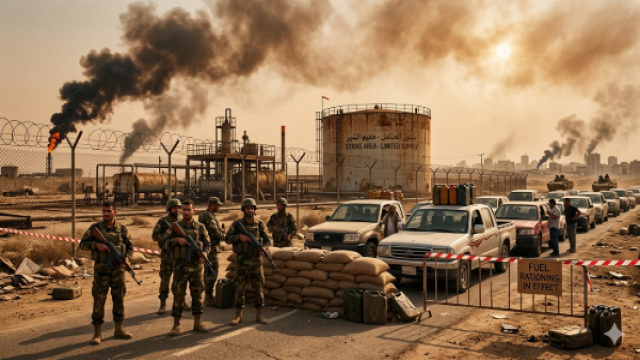
April 13, (V7N) – As the war between the United States, Israel, and Iran drags on with devastating consequences across the Middle East, global political dynamics are shifting rapidly. The latest developments reveal a high-stakes diplomatic chess game, marked by strained relations, rising tensions, and a complex web of international interests.
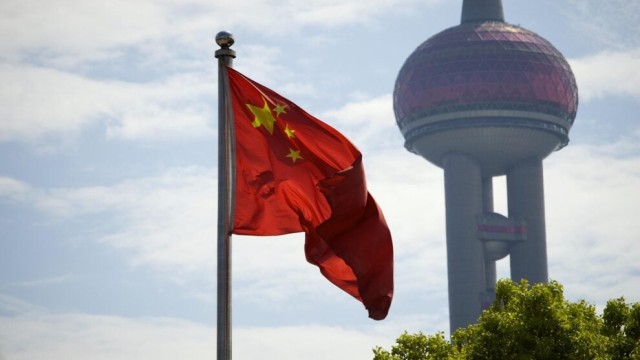
In an attempt to bolster Spain’s economic position on the global stage, Spanish Prime Minister Pedro Sanchez has begun a three-day visit to China, marking his fourth trip to Beijing in the past four years. Amid growing concerns over US President Donald Trump’s tariffs and unpredictable foreign policies, Sanchez aims to strengthen trade ties with China, particularly in agriculture, technology, and raw materials. His visit comes on the heels of several other European leaders traveling to Beijing, signaling Europe’s broader attempt to pivot towards China as a key economic partner.
Sanchez’s trip is also seen as part of Spain’s strategy to act as a bridge between China and the European Union, as tensions between Europe and the US show signs of escalating. Washington has already threatened to cut trade with Spain after Madrid’s refusal to allow the use of its military bases for US strikes against Iran, a key economic partner of Beijing. While the US-China trade war continues to create fractures within the West, Spain’s diplomatic outreach to China underscores a desire for greater economic independence and market access amid growing geopolitical instability.
In Lebanon, the humanitarian crisis deepens as Israel continues its military operations against Hezbollah. Lebanese Prime Minister Nawaf Salam remains committed to ending the war and securing the withdrawal of Israeli forces from southern Lebanon. However, Israeli Prime Minister Benjamin Netanyahu stated that the threat from Hezbollah is far from over, despite the efforts of both Lebanese and international diplomats to de-escalate the conflict.
Over the weekend, the Lebanese Red Cross suffered a direct attack by an Israeli drone, which killed one of its paramedics, marking a significant violation of international law. The attacks on humanitarian workers have sparked global outrage, with the International Federation of Red Cross and Red Crescent Societies calling the assault a "blatant violation" of humanitarian principles. As Israel’s ground operations continue in southern Lebanon, the Lebanese health ministry reports over 2,000 casualties, including many civilians.
The situation remains volatile, and with Hezbollah continuing to engage in cross-border attacks, the prospects for a sustainable ceasefire remain uncertain. Diplomatic efforts are underway, with planned talks in Washington between Lebanese, Israeli, and US officials aimed at finding a way to halt the violence and address the broader geopolitical implications of the conflict.
In a move that underscores the increasing complexity of regional alliances, Saudi Arabia’s foreign ministry has summoned the Iraqi ambassador to deliver a formal protest regarding attacks launched from Iraqi territory targeting Saudi and other Gulf states. This marks one of the first official acknowledgments of the involvement of Iraqi militias in the conflict, which has seen Iranian-backed forces launching attacks on US interests and Gulf nations.
The Saudi protest highlights the rising tensions within the Gulf, as Iran-backed militias continue to operate across the region, complicating efforts to negotiate a ceasefire between the US and Iran. While some factions in Iraq have suspended their attacks following the announcement of a temporary ceasefire, the broader regional instability remains a critical concern for both local governments and international powers.
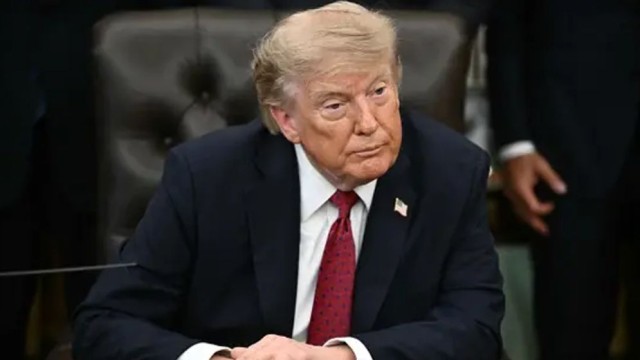
Back in the Persian Gulf, US President Donald Trump has taken a bold step by ordering a blockade of all Iranian ports, effective Monday. This move follows the collapse of peace talks in Islamabad, where the US delegation, led by Vice President JD Vance, expressed frustration over Iran’s refusal to relinquish its nuclear ambitions. Trump’s blockade is a direct response to Tehran’s control over the Strait of Hormuz, a vital shipping route for global oil exports.
The US Navy will now prevent any vessels from entering or leaving Iranian ports, while still allowing ships traveling to and from non-Iranian ports to pass through the Strait. However, the move has escalated tensions, with Iran’s Revolutionary Guards warning that any hostile actions would lead to "a deadly vortex" for those who challenge their authority over the waterway.
As the situation intensifies, the global economy is feeling the strain. Oil prices surged by more than 8%, and equities in major markets across Asia fell sharply, as the risk of prolonged conflict and disruption to energy supplies looms large. The impact of the blockade, coupled with the ongoing war, is further exacerbating inflation concerns and threatening to derail economic recovery.
Iran’s Domestic Toll and International Fallout
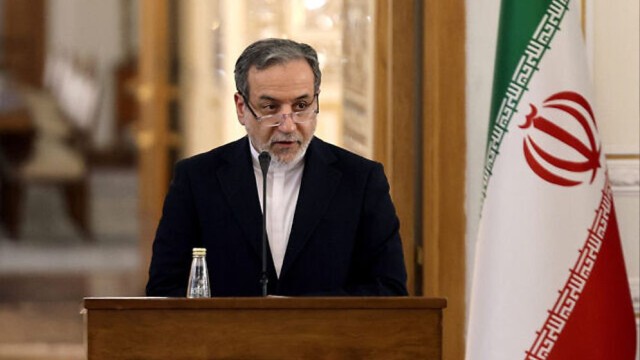
The human toll of the conflict continues to rise, with Iranian officials reporting at least 3,375 deaths due to the war with the United States and Israel. Despite efforts to mediate peace, Iran’s Foreign Minister Abbas Araghchi stated that Tehran was “inches away” from a deal with Washington, but was hindered by the US’s “maximalist” demands. As negotiations falter and military operations intensify, the Iranian population is growing increasingly disillusioned with the prospects for peace, with many fearing the conflict will drag on indefinitely.
At the same time, the international community is grappling with the broader implications of the conflict. With the US imposing heavy sanctions on Iran and blockades on key maritime routes, the global energy market is on edge. Prices are expected to remain volatile, with some analysts predicting further disruptions if the war continues to escalate.
As tensions mount across the Middle East, the world stands at a dangerous crossroads. The failure of US-Iran negotiations, the collapse of ceasefire attempts, and the rising violence in Lebanon signal a prolonged period of instability. Meanwhile, diplomatic moves like Spanish Prime Minister Pedro Sanchez’s visit to China and Saudi Arabia’s increasing friction with Iraq underscore the shifting balance of power in global politics.
With oil prices soaring, military actions intensifying, and regional powers jockeying for influence, the geopolitical landscape is undergoing rapid changes. The global economy and diplomatic ties are in flux, with no clear resolution in sight for the conflicts that have dominated the headlines for the past several weeks.
END/WD/RH/