Tehran, Mar 03 (V7N) — The Strait of Hormuz, a narrow but strategically vital maritime corridor, has once again emerged as a focal point of global geopolitical tension amid the ongoing conflict in the Middle East.
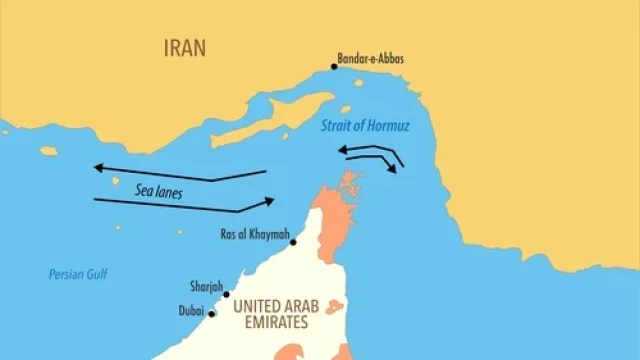
Stretching approximately 167 kilometers in length and narrowing to just 34 kilometers at its narrowest point, the strait connects the Persian Gulf with the Gulf of Oman. Despite its limited width, this route effectively controls the flow of a significant portion of the world’s energy supply.
According to international energy assessments, nearly 20 to 30 percent of the world’s total crude oil production passes through this channel by tanker—amounting to an average of around 21 million barrels of oil per day. In addition, a substantial share of liquefied natural gas (LNG) exports from Qatar is transported through this route.
Geographically, the strait lies between Iran and Oman, giving both nations strategic leverage over one of the world’s most critical energy chokepoints. At the same time, the economic stability of major oil-exporting countries—including Saudi Arabia, Kuwait, Iraq, and the United Arab Emirates—is closely tied to uninterrupted access through the strait.
On the demand side, major Asian economies such as China, India, Japan, and South Korea remain heavily dependent on energy shipments transiting this corridor.
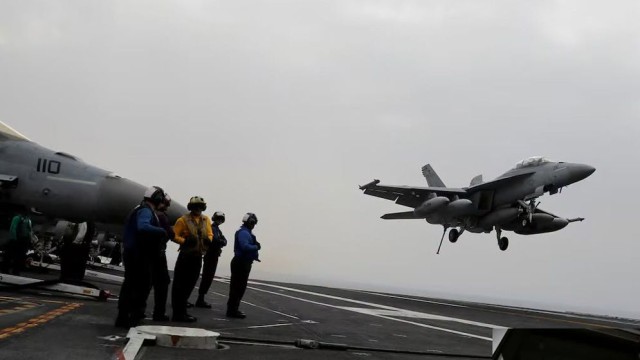
To ensure stability in global energy supplies, the United States Fifth Fleet maintains constant naval surveillance in the region. Its presence underscores the strategic importance of the waterway but also highlights the heightened geopolitical sensitivity surrounding it.
The situation has grown increasingly volatile amid tensions involving the United States, Israel, and Iran, alongside ongoing instability in the Red Sea. Analysts warn that any disruption to shipping in the Strait of Hormuz could trigger severe consequences for the global economy.
Although Saudi Arabia and the United Arab Emirates have invested in alternative pipeline routes to bypass the strait, experts note that no existing infrastructure matches the massive daily capacity handled by this maritime passage.
Meanwhile, the global oil market has already shown signs of instability due to the broader Middle East conflict. Energy analysts caution that if hostilities persist or escalate, crude oil prices could surge beyond the $100-per-barrel mark, intensifying inflationary pressures and economic uncertainty worldwide.
END/SMA/AJ